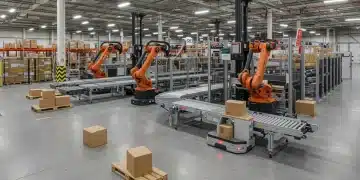
US Labor Shortages: Boosting Warehouse Productivity by 15%
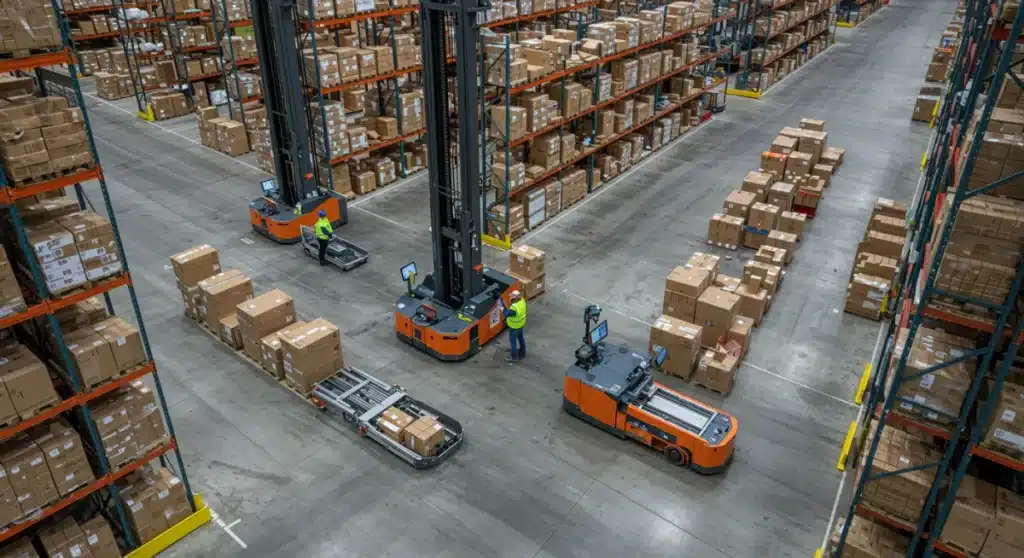
The ongoing US labor shortage significantly impacts warehousing operations, necessitating strategic interventions like process automation and workforce upskilling to achieve a crucial 15% productivity boost and maintain supply chain fluidity.
The landscape of US warehousing is rapidly evolving, facing unprecedented challenges from persistent labor shortages. This critical issue directly impacts operational efficiency and the broader supply chain. Understanding the US warehouse productivity challenge and implementing strategic solutions is no longer optional but essential for survival and growth in this competitive environment.
Understanding the US Labor Shortage in Warehousing
The US labor market has seen significant shifts, with the warehousing sector particularly vulnerable to shortages. This isn’t just a temporary blip; it’s a systemic issue driven by several factors, creating a complex environment for logistics managers.
The demand for warehouse workers has surged due to the e-commerce boom, while the supply of available labor struggles to keep pace. This imbalance leads to increased operational costs, delays, and a constant scramble for talent. Companies are finding it harder to attract and retain workers, impacting everything from order fulfillment to inventory management.
Key Factors Contributing to the Shortage
- E-commerce Growth: The exponential rise in online shopping has created an insatiable demand for warehousing and logistics services, requiring more hands on deck.
- Aging Workforce: A significant portion of the experienced warehouse workforce is nearing retirement, leaving a knowledge gap and fewer skilled workers.
- Perception of Warehouse Work: Many still view warehouse jobs as physically demanding with limited career progression, deterring younger generations.
- Competitive Wages Elsewhere: Other sectors might offer more attractive compensation or better working conditions, drawing potential employees away.
The implications of this shortage are far-reaching. Businesses face higher labor costs, increased overtime, and a greater risk of errors due to overworked or inexperienced staff. This directly affects customer satisfaction and ultimately, profitability. Addressing these root causes is the first step towards building a more resilient and productive warehousing operation.
Leveraging Automation for Enhanced Efficiency
Automation stands as a cornerstone strategy for overcoming labor shortages and significantly boosting US warehouse productivity. It’s not about replacing humans entirely, but empowering them and streamlining operations.
Integrating various forms of automation can help warehouses handle increased volumes with fewer people, reduce errors, and improve overall throughput. From simple conveyor systems to complex robotic solutions, automation offers a spectrum of benefits that directly address current labor market pressures.
Types of Automation Transforming Warehouses
- Automated Guided Vehicles (AGVs) and Autonomous Mobile Robots (AMRs): These robots can transport goods, pick items, and assist with inventory management, reducing the need for manual labor in repetitive tasks.
- Automated Storage and Retrieval Systems (AS/RS): Ideal for high-density storage, AS/RS can retrieve and store products with incredible speed and accuracy, minimizing human interaction.
- Robotic Process Automation (RPA): Software bots can automate administrative tasks like data entry, order processing, and reporting, freeing up human staff for more complex roles.
- Automated Picking Systems: Technologies like pick-to-light, voice picking, and robotic picking enhance accuracy and speed in order fulfillment, reducing physical strain and human error.
Embracing automation requires careful planning and investment, but the long-term benefits in terms of efficiency, cost savings, and improved working conditions are substantial. It allows existing staff to focus on higher-value tasks, creating a more engaging and productive work environment.
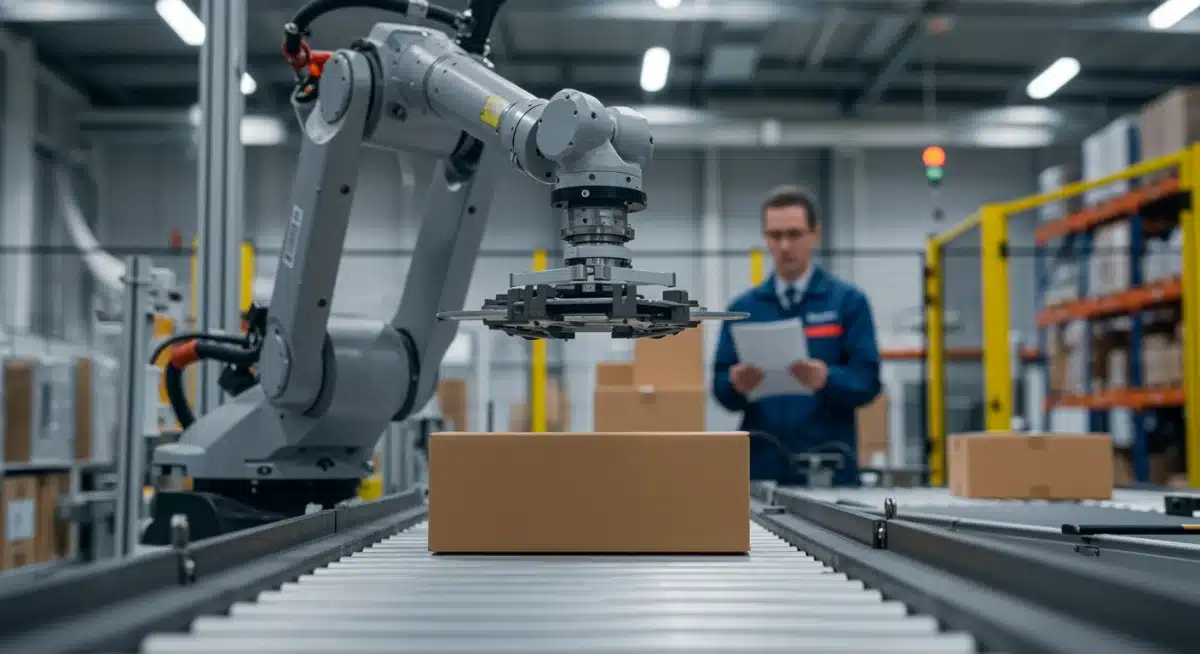
Implementing automation is a strategic move that not only mitigates the impact of labor shortages but also positions warehouses for future growth and adaptability. It creates a more efficient and less labor-intensive workflow, contributing directly to a 15% increase in productivity.
Optimizing Warehouse Layout and Processes
Beyond technology, optimizing the physical layout and operational processes within a warehouse is crucial for enhancing US warehouse productivity. An inefficient layout can negate the benefits of even the most advanced automation or dedicated workforce.
By carefully analyzing workflows, reducing unnecessary movement, and implementing lean principles, warehouses can achieve significant gains in efficiency. This involves a holistic review of every step from receiving to shipping, identifying bottlenecks and opportunities for improvement.
Strategies for Process and Layout Optimization
- Value Stream Mapping: Visualize the entire process to identify non-value-added activities and eliminate waste, streamlining the flow of goods.
- Slotting Optimization: Strategically placing fast-moving items in easily accessible locations reduces travel time and improves picking efficiency.
- Cross-Docking Implementation: Minimizing storage time by directly transferring incoming goods to outbound shipments can drastically reduce handling and storage costs.
- Ergonomic Design: Designing workstations and processes with employee comfort and safety in mind reduces fatigue and injuries, leading to higher morale and productivity.
A well-designed warehouse layout and optimized processes minimize wasted time and effort, allowing existing staff to handle more tasks effectively. This approach complements automation efforts, creating a synergistic effect that drives substantial productivity improvements without necessarily increasing headcount. Continuous review and adaptation of these processes are vital to sustain long-term efficiency gains.
Investing in Workforce Development and Retention
While automation and process optimization are critical, the human element remains indispensable in warehousing. Investing in workforce development and retention strategies is paramount to combating labor shortages and boosting US warehouse productivity.
A skilled, motivated, and loyal workforce is a powerful asset. Companies must shift their focus from simply filling positions to actively nurturing talent, providing opportunities for growth, and creating a positive work environment that encourages long-term commitment.
Key Initiatives for Talent Management
- Comprehensive Training Programs: Equip employees with the skills needed for new technologies and advanced roles, fostering a sense of value and career progression.
- Competitive Compensation and Benefits: Offer attractive wage packages, health benefits, and retirement plans to draw in and keep top talent in a competitive market.
- Career Pathing: Clearly define advancement opportunities within the company, showing employees how they can grow their careers in the warehousing sector.
- Employee Engagement and Recognition: Create a culture where employees feel heard, valued, and recognized for their contributions, boosting morale and reducing turnover.
Retaining experienced workers not only saves on recruitment and training costs but also maintains institutional knowledge and fosters a stronger team dynamic. By prioritizing employee well-being and professional growth, warehouses can build a stable and highly productive workforce, directly contributing to the desired 15% productivity boost.
Implementing Data-Driven Decision Making
In today’s complex warehousing environment, relying on intuition is no longer sufficient. Data-driven decision-making is essential for identifying inefficiencies, predicting trends, and strategically improving US warehouse productivity.
By collecting and analyzing data from various operational points, managers can gain deep insights into performance, pinpoint areas for improvement, and make informed choices that lead to tangible results. This approach transforms warehousing from a reactive operation into a proactive, optimized system.
Utilizing Data for Operational Excellence
- Performance Metrics Tracking: Monitor key indicators such as pick rates, order accuracy, inventory turnover, and labor costs to benchmark performance and identify deviations.
- Predictive Analytics: Use historical data to forecast demand, optimize staffing levels, and plan inventory, reducing overstocking or stockouts.
- Warehouse Management Systems (WMS) Integration: A robust WMS acts as the central hub for data, providing real-time visibility into all warehouse activities and enabling better decision-making.
- Real-time Monitoring: Implement sensors and IoT devices to track equipment utilization, environmental conditions, and worker movements, allowing for immediate adjustments and optimizations.
Leveraging data allows warehouses to move beyond guesswork, making precise adjustments that yield significant improvements. This analytical approach helps to identify the most impactful strategies for automation, process changes, and workforce allocation, directly supporting the goal of a 15% productivity increase. It ensures that every decision is backed by evidence, leading to more consistent and sustainable gains.
Fostering a Culture of Continuous Improvement
Achieving and sustaining a 15% boost in US warehouse productivity isn’t a one-time project; it’s an ongoing journey. Fostering a culture of continuous improvement is vital for long-term success, ensuring that operations remain agile and responsive to evolving challenges.
This culture encourages every team member, from the warehouse floor to management, to actively look for ways to enhance efficiency, reduce waste, and improve overall performance. It’s about empowering employees to contribute their insights and ideas, creating a dynamic environment of innovation.
Elements of a Continuous Improvement Culture
- Regular Performance Reviews: Conduct frequent assessments of operational processes and strategies to identify what’s working and what needs adjustment.
- Employee Feedback Mechanisms: Establish channels for workers to submit suggestions for improvement, recognizing their unique perspective on daily operations.
- Pilot Programs and Experimentation: Encourage testing new technologies and methods on a small scale before full-scale implementation, learning from successes and failures.
- Training and Upskilling: Continuously invest in employee development to ensure they have the knowledge and tools to adapt to new processes and technologies.
A continuous improvement mindset ensures that the warehouse remains competitive and resilient in the face of labor shortages and other market fluctuations. It creates an environment where efficiency gains are not just achieved but consistently built upon, leading to sustained high levels of productivity and operational excellence.
| Key Strategy | Brief Description |
|---|---|
| Automation Integration | Utilize robots and automated systems to reduce manual labor dependency and enhance efficiency. |
| Process Optimization | Streamline workflows and layout to minimize waste and maximize throughput with existing resources. |
| Workforce Development | Invest in training, competitive pay, and positive culture to attract and retain skilled employees. |
| Data-Driven Decisions | Leverage analytics to identify inefficiencies and make informed strategic and operational adjustments. |
Frequently Asked Questions
Automation addresses labor shortages by taking over repetitive, physically demanding tasks. This reduces the reliance on manual labor for basic operations, allowing existing staff to focus on more complex, value-added activities. It also enhances efficiency and throughput with fewer workers.
Optimizing warehouse layout immediately reduces travel time for workers, minimizes product handling, and improves picking accuracy. This leads to faster order fulfillment, decreased operational costs, and a more efficient use of available space and human resources, boosting productivity.
Employee retention is crucial because experienced workers are more efficient and less prone to errors. High turnover leads to constant recruitment and training costs, loss of institutional knowledge, and decreased overall productivity. Retaining talent ensures a stable, skilled, and highly effective workforce.
Data analytics identifies bottlenecks, predicts demand, and optimizes resource allocation. By understanding performance metrics and trends, managers can make informed decisions about staffing, inventory, and automation investments, leading to targeted improvements that collectively increase productivity by 15%.
Continuous improvement ensures that efficiency gains are sustained and built upon over time. It fosters a culture of innovation where employees are empowered to identify and implement ongoing optimizations, keeping the warehouse adaptable, competitive, and consistently high-performing amidst evolving challenges.
Conclusion
The persistent US labor shortage presents a significant hurdle for warehousing operations, yet it also serves as a catalyst for innovation. By strategically embracing automation, meticulously optimizing processes and layouts, investing in comprehensive workforce development, leveraging data-driven insights, and cultivating a culture of continuous improvement, warehouses can not only mitigate the impact of these shortages but also achieve a remarkable 15% productivity boost. These integrated strategies are not just about overcoming current challenges but about building more resilient, efficient, and future-ready supply chains for the long term.