US Unemployment Shift: Retail Staffing Strategies H2 2025
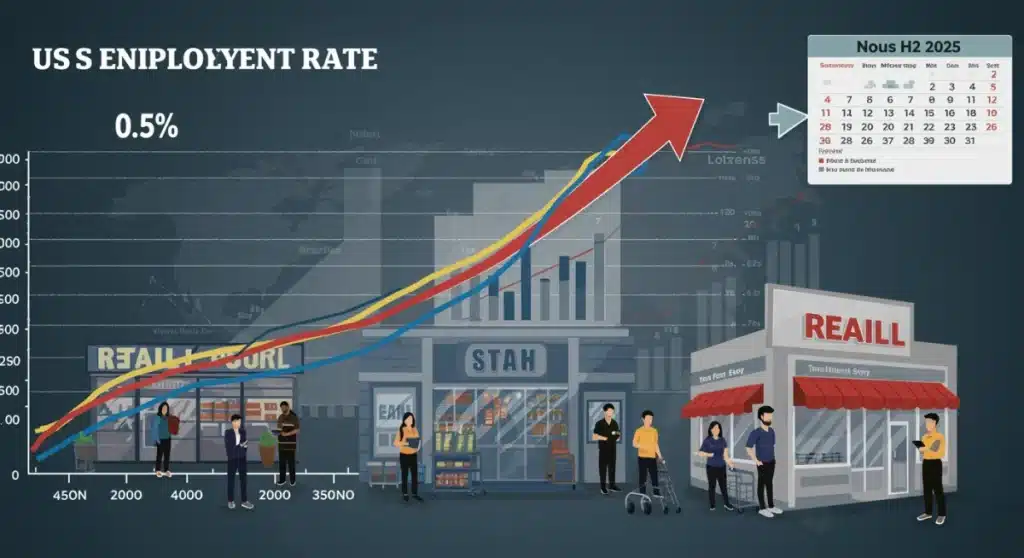
A 0.5% fluctuation in US unemployment directly reshapes retail staffing strategies for the latter half of 2025, compelling businesses to adapt recruitment, retention, and operational models to maintain competitiveness and profitability.
Understanding the intricate relationship between economic indicators and operational planning is crucial for any forward-thinking business. In the retail sector, few metrics are as impactful as unemployment rates. The dynamic landscape of US unemployment retail staffing strategies for H2 2025 is poised for significant adjustments, even with a seemingly modest 0.5% shift in the overall US unemployment rate. This seemingly small change can trigger a cascade of effects, influencing everything from talent availability to wage pressures and employee retention.
The Subtle Yet Significant Impact of a 0.5% Unemployment Shift
A 0.5% change in the national unemployment rate might appear minor on the surface, but its implications for the retail sector are profound, especially when planning for the second half of 2025. This incremental shift can signify either a tightening or loosening of the labor market, directly influencing the availability of qualified candidates and the competitive landscape for talent.
Retail, being a labor-intensive industry, is particularly sensitive to these fluctuations. When unemployment drops by 0.5%, the pool of available workers shrinks, making recruitment more challenging and potentially driving up wage expectations. Conversely, an increase of 0.5% can expand the talent pool, offering retailers more options but also signaling potential economic headwinds that could affect consumer spending.
Understanding the Economic Context
The US economy operates in cycles, and H2 2025 will be influenced by current monetary policies, inflation trends, and global economic stability. A lower unemployment rate often correlates with a robust economy and higher consumer confidence, which could translate to increased retail sales. However, it also means higher labor costs and increased competition for workers. Retailers must balance these factors carefully.
- Wage Pressures: A tighter labor market often leads to higher starting wages and increased pressure for existing employee raises.
- Talent Scarcity: Finding experienced and reliable staff becomes more difficult, requiring innovative recruitment strategies.
- Retention Challenges: Employees have more options, increasing the importance of competitive benefits and positive work environments.
Conversely, a slight increase in unemployment could provide a temporary reprieve from wage pressures and expand the candidate pool. However, it might also signal a slowdown in consumer spending, impacting sales forecasts and potentially requiring adjustments to staffing levels from a different angle. The key for retailers is not just to react, but to anticipate and strategize proactively.
Forecasting Labor Availability and Demand for H2 2025
Accurate forecasting of labor availability and demand is paramount for retailers gearing up for H2 2025. This period often includes critical sales seasons, such as back-to-school and the holiday rush, making precise staffing crucial for operational efficiency and customer satisfaction. The 0.5% shift in unemployment serves as a critical variable in these projections.
Retailers must move beyond simple historical data analysis and integrate real-time economic indicators and predictive analytics into their workforce planning. Understanding regional variations in unemployment and specific skill set demands within retail (e.g., e-commerce fulfillment, specialized sales) is also vital.
Predictive Analytics in Workforce Planning
Leveraging data science can provide a significant edge. Predictive models can analyze past unemployment trends, seasonal retail demands, and current economic forecasts to offer more accurate insights into future labor market conditions. This allows retailers to anticipate shortages or surpluses of staff before they become critical issues.
- Data Integration: Combining internal sales data with external economic reports and labor market statistics.
- Scenario Planning: Developing multiple staffing plans based on different unemployment rate scenarios (e.g., 0.5% up, 0.5% down, stable).
- Technology Adoption: Utilizing AI-powered tools for demand forecasting and scheduling optimization.
The goal is to create a dynamic staffing model that can quickly adapt to changing market conditions. This includes not only full-time positions but also part-time, seasonal, and on-demand staffing solutions. A flexible workforce model can mitigate risks associated with sudden shifts in labor availability or consumer demand.
Recruitment and Retention Strategies in a Shifting Market
Whether the unemployment rate tightens or loosens by 0.5%, retail recruitment and retention strategies for H2 2025 must be robust and adaptable. A tighter market demands aggressive talent acquisition and strong retention efforts, while a looser market requires a focus on selecting the best candidates and maintaining employee morale amidst potential economic uncertainty.
Retailers must constantly evaluate their employer brand, compensation packages, and workplace culture to remain competitive. The modern workforce values more than just a paycheck; opportunities for growth, work-life balance, and a supportive environment are increasingly important.
Adapting Recruitment Tactics
In a low unemployment scenario, retailers need to cast a wider net and be more proactive. This might involve expanding recruitment channels beyond traditional job boards to social media, community partnerships, and employee referral programs. Highlighting unique company benefits and career progression opportunities becomes crucial.
- Enhanced Employer Branding: Showcasing company culture and values to attract mission-aligned candidates.
- Streamlined Hiring Process: Reducing time-to-hire to secure top talent before competitors.
- Flexible Work Arrangements: Offering adaptable schedules or remote work options where feasible for certain roles.
When unemployment rises, the focus shifts to efficient screening and selection processes to identify the most suitable candidates from a larger pool. However, even in such a scenario, maintaining a positive candidate experience is vital for long-term brand reputation.
Strengthening Employee Retention
Retention is always critical, but its importance is magnified in a fluctuating labor market. Investing in employee development, offering competitive benefits, and fostering a positive work environment are key. A 0.5% shift can make employees more or less likely to seek new opportunities, underscoring the need for continuous engagement.
- Competitive Compensation & Benefits: Regularly reviewing and adjusting pay scales and benefits to match market rates.
- Training & Development: Providing opportunities for skill enhancement and career advancement.
- Employee Recognition: Implementing programs to acknowledge and reward employee contributions.
Ultimately, creating a workplace where employees feel valued and supported is the most effective retention strategy, regardless of the broader economic climate. This helps build a loyal workforce that can weather market shifts.
Technology’s Role in Optimizing Retail Staffing
In the face of dynamic labor market shifts, technology emerges as an indispensable tool for optimizing retail staffing strategies for H2 2025. From enhancing recruitment processes to improving operational efficiency, digital solutions can help retailers navigate the complexities introduced by a 0.5% shift in US unemployment.
Automation, AI, and advanced analytics are transforming how retailers manage their workforce. These tools not only streamline administrative tasks but also provide actionable insights, enabling more informed decision-making regarding staffing levels, scheduling, and talent development.
Leveraging AI and Automation
Artificial intelligence can significantly improve the recruitment process by automating initial candidate screening, matching resumes to job requirements, and even conducting preliminary interviews. This frees up HR personnel to focus on more strategic tasks and personal engagement with promising candidates.
- Applicant Tracking Systems (ATS): Efficiently managing large volumes of applications and candidates.
- AI-Powered Scheduling: Optimizing staff schedules based on predicted customer traffic and employee availability, reducing labor costs and improving customer service.
- Automated Onboarding: Streamlining the new hire process, ensuring a smooth transition and faster productivity.
Beyond recruitment, AI can predict staffing needs based on sales forecasts, seasonal trends, and even local events. This proactive approach ensures adequate staffing during peak times and prevents overstaffing during slower periods, directly impacting profitability.
Data Analytics for Workforce Insights
Advanced data analytics provide retailers with deep insights into their workforce performance, identifying areas for improvement and optimizing resource allocation. By analyzing employee turnover rates, productivity metrics, and training effectiveness, businesses can make data-driven decisions to enhance their staffing models.
- Performance Tracking: Monitoring individual and team performance to identify high-potential employees and areas needing support.
- Labor Cost Analysis: Understanding the true cost of labor and identifying opportunities for efficiency without compromising service.
- Employee Engagement Surveys: Using data to gauge employee satisfaction and address potential issues before they lead to turnover.
The integration of technology into every facet of staffing management allows retailers to maintain agility and responsiveness, crucial attributes in managing the uncertainties of the H2 2025 labor market.
The Importance of Training and Upskilling Existing Staff
As the labor market changes, investing in the training and upskilling of existing staff becomes an increasingly critical component of retail staffing strategies for H2 2025. Whether the unemployment rate rises or falls, a well-trained and versatile workforce enhances productivity, boosts morale, and reduces reliance on external hiring, which can be costly and time-consuming.
This approach not only addresses potential skill gaps but also serves as a powerful retention tool. Employees who feel invested in and see opportunities for growth within their organization are more likely to stay, contributing to a stable and experienced team.
Addressing Skill Gaps
The retail landscape is constantly evolving, with new technologies, customer service expectations, and product knowledge requirements emerging regularly. Proactive training programs can ensure that current employees possess the skills needed to meet these demands. This is especially important if a tighter labor market makes it difficult to recruit specialized talent externally.
- Cross-training Initiatives: Equipping employees with multiple skill sets to increase operational flexibility and coverage.
- Digital Literacy Programs: Training staff on new retail technologies, including POS systems, inventory management software, and e-commerce platforms.
- Customer Experience Training: Enhancing soft skills to deliver exceptional service in an increasingly competitive environment.
By investing in their current workforce, retailers can transform internal talent into valuable assets, reducing the need for constant external recruitment and the associated costs and risks.
Boosting Employee Morale and Retention
Opportunities for professional development are a significant motivator for employees. When businesses offer clear pathways for career progression and provide the training to achieve these goals, it signals to employees that they are valued. This can lead to increased job satisfaction and loyalty.
- Mentorship Programs: Pairing experienced employees with newer staff for knowledge transfer and career guidance.
- Leadership Development: Identifying and nurturing internal talent for management and supervisory roles.
- Continuous Learning Platforms: Providing access to online courses and resources for ongoing skill development.
A culture of continuous learning not only strengthens the workforce but also makes the retail organization more resilient to external labor market fluctuations. It fosters a sense of purpose and commitment among employees, improving overall team performance.
Adapting to Regional and Seasonal Labor Market Variations
While national unemployment figures provide a macro overview, retail staffing strategies for H2 2025 must also account for significant regional and seasonal variations in the labor market. A 0.5% shift at the national level can mask much larger, or smaller, shifts in specific local markets, demanding localized and flexible approaches.
Retailers operating across different states or even within diverse neighborhoods of a single city will encounter varying levels of labor availability, wage expectations, and competitive pressures. Seasonal demands, particularly during the holiday shopping season, further complicate this dynamic.
Local Market Analysis
Understanding the micro-level dynamics of each operational location is crucial. This involves analyzing local unemployment rates, average wages for retail positions in that area, and the presence of competing businesses for similar talent. What works in one market may not be effective in another.
- Geographic Targeting in Recruitment: Tailoring job advertisements and recruitment efforts to specific local demographics and labor pools.
- Wage Parity Review: Ensuring compensation packages are competitive within each local market to attract and retain talent.
- Community Engagement: Building relationships with local schools, colleges, and community organizations to tap into local talent pipelines.
This localized approach allows retailers to be more agile and responsive to the unique challenges and opportunities presented by each specific market. It prevents a one-size-fits-all strategy from undermining staffing effectiveness.
Navigating Seasonal Demands
The second half of 2025 will inevitably bring increased customer traffic and sales during peak seasons. Retailers must develop robust plans for seasonal hiring that can quickly scale up and down. A fluctuating unemployment rate adds another layer of complexity to this process.
- Early Seasonal Recruitment: Starting the hiring process for seasonal staff well in advance to secure talent.
- Flexible Scheduling Models: Implementing dynamic scheduling that can adjust quickly to daily and weekly demand fluctuations.
- Leveraging Temporary Staffing Agencies: Partnering with agencies to quickly fill gaps during peak periods or in response to unexpected demand surges.
By combining a deep understanding of local market conditions with strategic seasonal planning, retailers can ensure they have the right number of skilled employees at the right time and place, optimizing both customer experience and operational costs.
Future-Proofing Retail Workforce Planning
To effectively navigate the unpredictable nature of labor market dynamics, especially with a 0.5% shift in US unemployment impacting retail staffing strategies for H2 2025, retailers must focus on future-proofing their workforce planning. This involves building resilience, embracing continuous adaptation, and fostering a culture of innovation within their human resources functions.
The goal is not just to react to changes but to anticipate them and develop proactive strategies that ensure long-term stability and competitive advantage. This requires a holistic view of the workforce, integrating technology, talent development, and strategic partnerships.
Building a Resilient Workforce
A resilient workforce is one that can quickly adapt to economic shifts, technological advancements, and evolving consumer behaviors. This means cultivating a diverse and versatile employee base, capable of performing multiple roles and quickly acquiring new skills.
- Diversity and Inclusion Initiatives: Creating a diverse workforce that brings varied perspectives and problem-solving approaches.
- Agile Workforce Models: Implementing flexible staffing solutions, such as cross-functional teams and contract workers, to quickly adjust to demand.
- Employee Well-being Programs: Supporting the mental and physical health of employees to enhance their ability to perform and adapt.
By prioritizing resilience, retailers can minimize the disruptive impact of external factors and maintain operational continuity even in turbulent times.
Continuous Adaptation and Innovation
The retail sector, and indeed the broader economy, is in a constant state of flux. Therefore, workforce planning cannot be a static annual exercise. It must be an ongoing, iterative process that incorporates feedback, learns from outcomes, and continuously seeks innovative solutions.
- Regular Strategy Reviews: Periodically assessing staffing strategies against current market conditions and business performance.
- Pilot Programs for New Technologies: Experimenting with new HR and operational tools to identify efficiencies and improvements.
- Feedback Loops: Establishing channels for employee and management feedback to continuously refine workforce practices.
Future-proofing retail workforce planning is about creating an organizational culture that embraces change and views challenges as opportunities for growth and improvement. This prepares businesses not just for H2 2025, but for the entire decade ahead.
| Key Point | Brief Description |
|---|---|
| Unemployment Impact | A 0.5% shift profoundly affects labor availability, wages, and competition for retail talent. |
| Strategic Recruitment | Adapt recruitment tactics based on labor market conditions; enhance employer branding. |
| Technology Integration | Utilize AI and analytics for forecasting, scheduling, and efficient workforce management. |
| Upskilling & Retention | Invest in current staff training and development to mitigate hiring challenges and boost loyalty. |
Frequently Asked Questions About Retail Staffing in H2 2025
A 0.5% drop in unemployment typically tightens the labor market, increasing competition for workers. This often leads to upward pressure on wages as retailers offer higher pay to attract and retain talent. Conversely, a 0.5% rise might ease wage pressures, but could also signal broader economic concerns affecting consumer spending.
In a tight labor market, retailers should expand recruitment channels, enhance their employer brand, streamline the hiring process, and consider offering flexible work arrangements. Leveraging employee referral programs and focusing on community partnerships can also yield positive results by tapping into local talent pools.
Technology, particularly AI-powered scheduling and demand forecasting tools, can significantly optimize seasonal staffing. These tools analyze sales data and historical trends to predict staffing needs accurately, ensuring adequate coverage during peak times like holidays while avoiding overstaffing during slower periods, thereby enhancing efficiency and customer experience.
Upskilling existing staff is crucial because it addresses potential skill gaps, reduces reliance on external hiring (which can be difficult in a tight market), and significantly boosts employee morale and retention. Providing growth opportunities fosters loyalty, creating a more stable, versatile, and experienced workforce capable of adapting to market changes.
Regional differences are vital because national unemployment rates can mask significant variations at the local level. Retailers must conduct local market analyses to understand specific labor availability, wage expectations, and competitive landscapes. Tailoring recruitment, compensation, and retention strategies to these distinct regional dynamics is essential for effective staffing.
Conclusion
The intricate dance of labor market dynamics, particularly the potential for a 0.5% shift in US unemployment, demands an exceptionally agile and forward-thinking approach from retail leaders as they prepare their staffing strategies for H2 2025. This seemingly minor fluctuation can trigger a ripple effect across talent acquisition, retention, wage structures, and operational efficiency. By embracing predictive analytics, leveraging technological advancements, prioritizing the upskilling of existing staff, and meticulously adapting to regional and seasonal variations, retailers can not only mitigate potential risks but also transform challenges into opportunities for growth and enhanced competitiveness. The ability to remain responsive and innovative in workforce planning will ultimately define success in the evolving retail landscape.