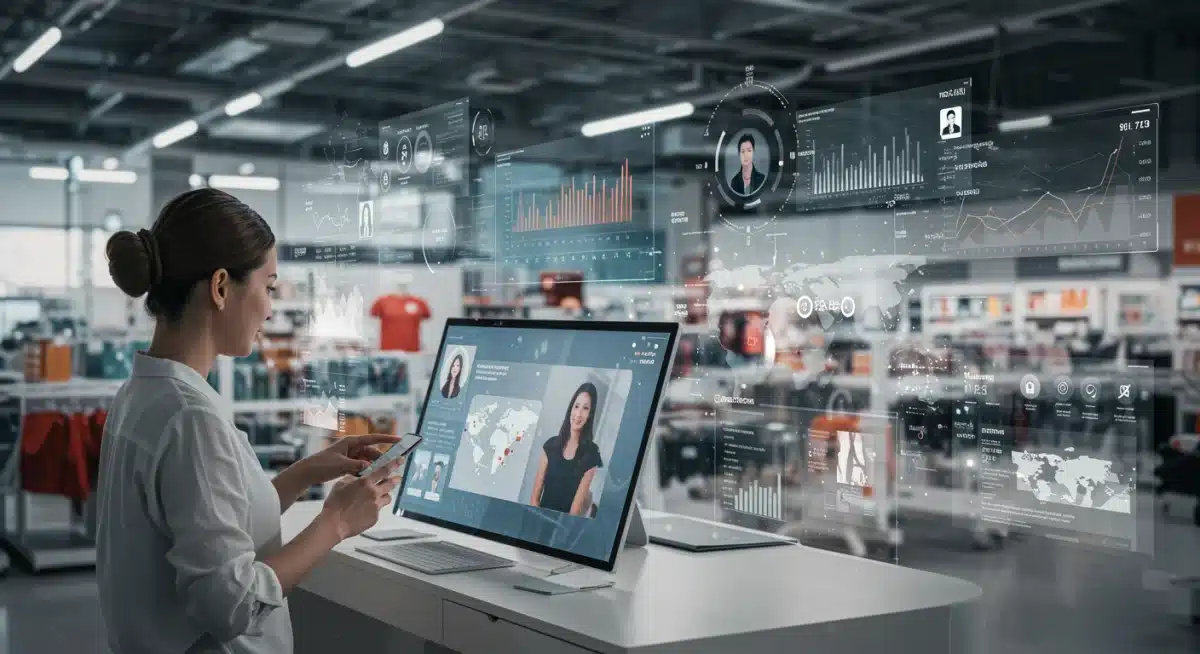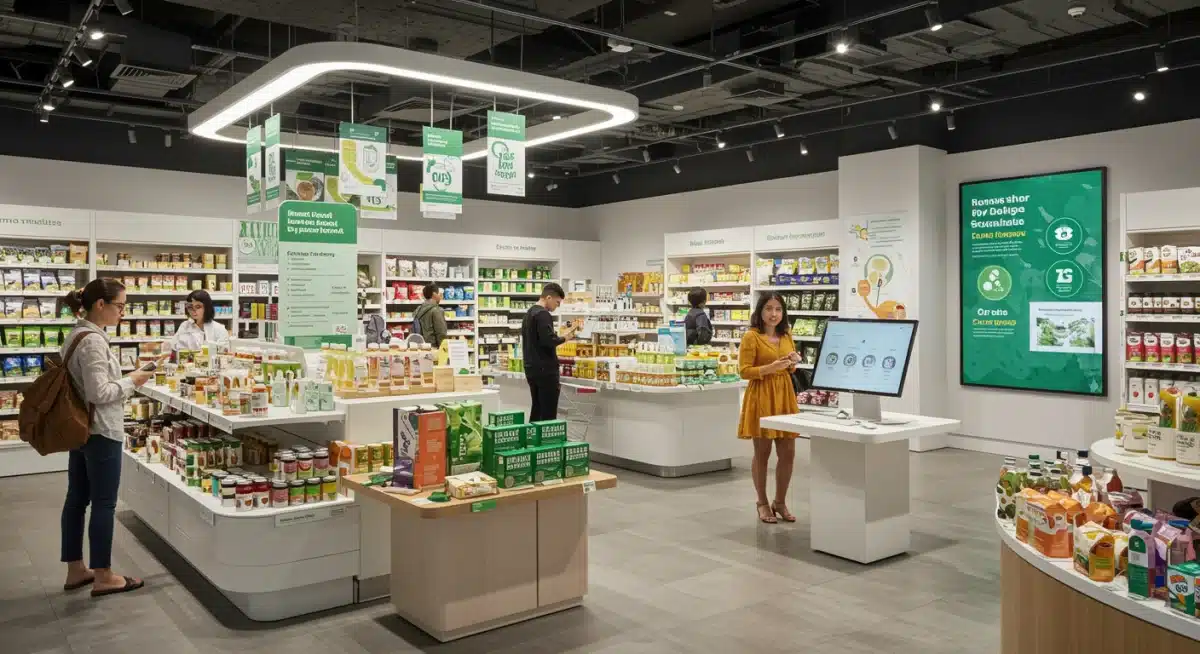
Implementing advanced data analytics, diversifying supplier networks, and automating inventory management are three practical solutions enabling US retailers to significantly reduce supply chain losses by 20% by mid-2025.
Navigating Supply Chain Disruptions: 3 Practical Solutions for US Retailers to Reduce Losses by 20% by Mid-2025 (PRACTICAL SOLUTIONS) is not merely a goal; it’s an imperative for survival and growth in today’s volatile market. The retail landscape in the United States has been profoundly reshaped by unforeseen global events, leading to bottlenecks, increased costs, and frustrated customers. Retailers are now urgently seeking robust strategies to build resilience and optimize their operations to safeguard their bottom line.
Understanding the Current Retail Supply Chain Landscape
The US retail supply chain has faced unprecedented challenges over the past few years. From port congestions and labor shortages to geopolitical tensions and fluctuating consumer demand, the traditional linear model of supply has proven vulnerable. This environment demands a proactive and agile approach, shifting from reactive problem-solving to strategic foresight. Understanding the root causes of these disruptions is the first step towards building a more resilient framework.
Many retailers have experienced significant financial setbacks due to stockouts, excess inventory, and increased transportation costs. These issues directly impact profitability and customer satisfaction, making it critical to implement effective mitigation strategies. The complexity of global logistics means that a single point of failure can ripple through the entire system, highlighting the need for diversified and transparent supply networks.
Key Drivers of Disruption
Several factors have consistently contributed to supply chain instability, forcing retailers to re-evaluate their operational models. Identifying these drivers is crucial for developing targeted solutions.
- Geopolitical Events: Trade wars, tariffs, and international conflicts can severely impact sourcing and shipping routes.
- Natural Disasters: Extreme weather events disrupt transportation infrastructure and production facilities.
- Labor Shortages: Insufficient workforce in logistics, manufacturing, and warehousing creates bottlenecks.
- Cybersecurity Threats: Digital attacks on logistics systems can halt operations and compromise data integrity.
The cumulative effect of these drivers underscores the urgency for US retailers to adopt innovative practices. By focusing on these underlying issues, businesses can create a more stable and predictable supply chain, ultimately reducing losses and enhancing market competitiveness.
Solution 1: Advanced Data Analytics and Predictive Modeling
Leveraging advanced data analytics and predictive modeling is paramount for modern retail supply chains. This solution moves beyond traditional historical analysis, using real-time data to anticipate future disruptions and consumer trends. By integrating vast datasets from various sources—sales figures, inventory levels, weather patterns, global news, and social media sentiment—retailers can gain unparalleled insights into potential vulnerabilities and opportunities.
Predictive analytics allows for more accurate demand forecasting, minimizing both stockouts and overstock situations. This precision directly translates into reduced carrying costs and fewer lost sales. Furthermore, it enables retailers to identify emerging risks, such as potential supplier failures or shipping delays, well in advance, providing ample time to implement contingency plans.
Implementing AI-Powered Forecasting
The integration of artificial intelligence (AI) in retail into forecasting models can transform how retailers manage their inventory and logistics. AI algorithms can process complex variables and uncover hidden patterns that human analysts might miss, leading to more robust and reliable predictions.
- Enhanced Demand Forecasting: AI tools analyze historical sales, promotional data, seasonal trends, and external factors to predict future demand with greater accuracy.
- Optimized Inventory Levels: By forecasting demand more precisely, AI helps maintain optimal inventory levels, reducing storage costs and preventing obsolescence.
- Proactive Risk Identification: AI can flag potential disruptions by monitoring global events, supplier performance, and logistical bottlenecks in real-time.
The ability to predict and adapt quickly is a significant competitive advantage. Retailers that embrace AI-powered analytics will be better positioned to navigate market volatility, ensuring product availability while minimizing financial exposure. This proactive stance is crucial for achieving the targeted 20% loss reduction.
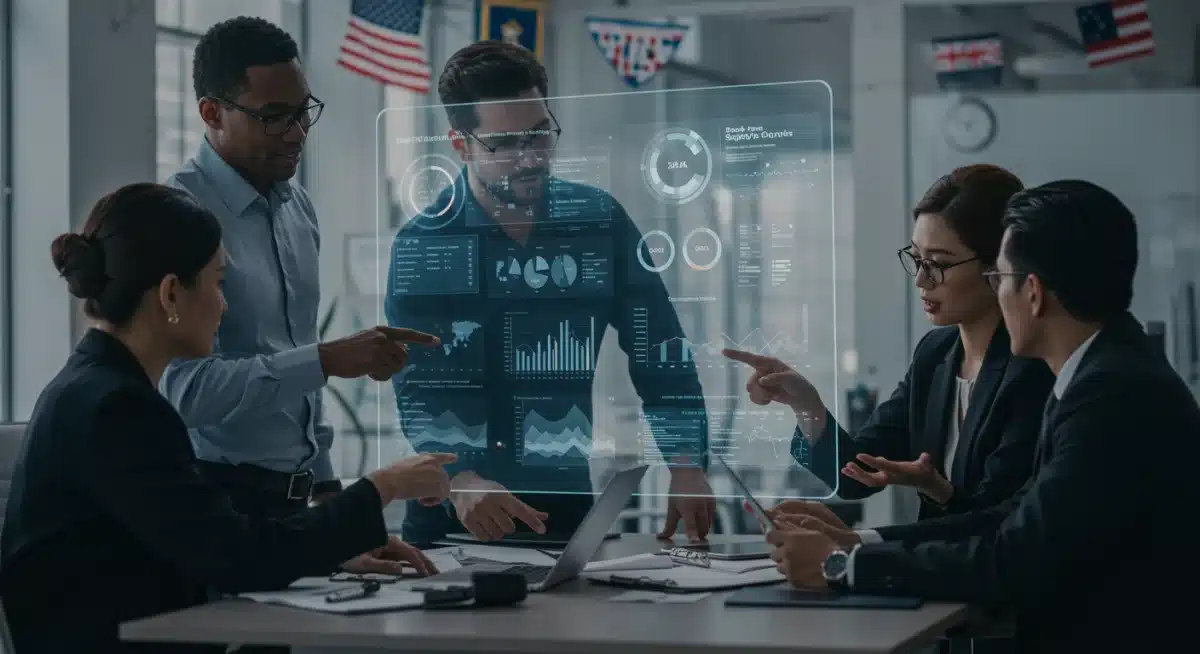
Solution 2: Diversification of Supplier Networks
Relying on a single or limited number of suppliers, especially those concentrated in a single geographic region, exposes retailers to immense risk. The second practical solution involves strategically diversifying supplier networks across multiple regions and even continents. This approach mitigates the impact of localized disruptions, whether they are natural disasters, political instability, or labor issues in a specific area.
Diversification is not just about having more suppliers; it’s about building a resilient ecosystem of partners. This involves thorough vetting of new suppliers for reliability, ethical practices, and capacity. It also means establishing strong relationships and clear communication channels with each partner to ensure transparency and responsiveness.
Benefits of a Multi-Sourced Strategy
Adopting a multi-sourced strategy offers numerous advantages beyond mere risk reduction. It can also lead to improved product quality, competitive pricing, and enhanced innovation as retailers engage with a broader range of manufacturers.
- Reduced Single-Point-of-Failure Risk: If one supplier or region faces disruption, alternative sources can fulfill orders.
- Improved Negotiation Power: Multiple suppliers can foster competition, potentially leading to better pricing and terms.
- Access to Innovation: Collaborating with diverse suppliers can introduce new technologies, materials, or production methods.
- Enhanced Ethical Sourcing: Diversification allows retailers to choose partners committed to sustainable and ethical practices.
By spreading their sourcing across various vendors and geographical locations, US retailers can create a more robust and adaptable supply chain. This strategic move ensures continuity of supply, even in the face of unforeseen events, directly contributing to loss avoidance and consistent revenue generation.
Solution 3: Automation and Optimization of Inventory Management
Inefficient inventory management is a major contributor to retail losses, leading to either costly overstocking or missed sales opportunities due to stockouts. The third practical solution focuses on automating and optimizing inventory management processes through advanced technological integration. This involves implementing systems that provide real-time visibility into inventory levels across all channels, from warehouses to retail shelves.
Automated inventory systems can track product movement, predict reorder points, and even initiate orders autonomously based on predefined rules and demand forecasts. This significantly reduces human error, speeds up replenishment cycles, and ensures that the right products are available at the right time and place.
Key Technologies for Inventory Optimization
Modern inventory management relies heavily on a suite of technologies designed to enhance efficiency and accuracy. These tools work in concert to provide a comprehensive view and control over the flow of goods.
- RFID and Barcode Systems: Enable precise tracking of individual items from receipt to sale, reducing discrepancies.
- Warehouse Management Systems (WMS): Automate warehouse operations, including picking, packing, and shipping, for faster fulfillment.
- Automated Reordering: Systems that automatically generate purchase orders when stock levels hit a predetermined minimum, preventing stockouts.
- Cross-Docking: Streamlines the flow of goods by moving products directly from inbound to outbound logistics, minimizing storage time.
By embracing automation and optimization in inventory management, retailers can achieve significant reductions in operational costs, waste, and lost sales. This strategic investment not only streamlines processes but also enhances customer satisfaction by ensuring product availability, directly supporting the goal of cutting losses by 20%.
Integrating Solutions for Maximum Impact
While each of these three solutions offers significant benefits independently, their true power lies in their integration. A holistic approach that combines advanced data analytics, diversified supplier networks, and automated inventory management creates a synergistic effect, amplifying their individual strengths. For instance, predictive models can inform supplier diversification strategies, identifying regions less prone to specific types of disruptions. Similarly, real-time inventory data feeds directly into demand forecasting, making it more accurate and responsive.
This integrated strategy fosters a resilient and agile supply chain capable of adapting to unforeseen challenges with minimal disruption. Retailers who successfully weave these solutions into their operational fabric will not only reduce current losses but also build a sustainable competitive advantage for the future. The goal of a 20% loss reduction by mid-2025 becomes a tangible and achievable outcome through this comprehensive approach.
Challenges and Considerations for Implementation
Implementing these advanced solutions is not without its challenges. Retailers must consider significant upfront investments in technology, the need for skilled personnel to manage and interpret data, and the complexities of integrating new systems with existing infrastructure. Cultural resistance to change within organizations can also be a hurdle.
However, the long-term benefits far outweigh these initial obstacles. A phased implementation, starting with pilot programs, can help manage the transition. Investing in training for staff and fostering a culture of data-driven decision-making are crucial steps. Ultimately, the commitment to these integrated strategies will define the success of US retailers in navigating the evolving supply chain landscape.
| Key Solution | Brief Description |
|---|---|
| Advanced Data Analytics | Utilizing AI and real-time data to predict demand and identify potential supply chain risks proactively. |
| Diversified Supplier Networks | Spreading sourcing across multiple vendors and geographies to mitigate regional disruption risks. |
| Automated Inventory Management | Implementing technology for real-time tracking, optimized stock levels, and automated reordering. |
| Integrated Strategy | Combining all three solutions for a synergistic effect, enhancing overall supply chain resilience and efficiency. |
Frequently Asked Questions About Supply Chain Solutions
US retailers are grappling with disruptions due to a confluence of factors including geopolitical events, natural disasters, labor shortages, and cybersecurity threats. These issues create bottlenecks, increase costs, and challenge traditional logistics models, demanding more resilient strategies.
Predictive modeling, especially AI-powered, analyzes vast datasets to forecast demand more accurately and anticipate potential disruptions. This minimizes stockouts and overstocking, reducing carrying costs, preventing lost sales, and enabling proactive risk mitigation, directly impacting profitability.
Diversifying supplier networks across various regions reduces reliance on single sources, mitigating risks from localized disruptions. It also fosters competitive pricing, provides access to innovation, and supports ethical sourcing, enhancing overall supply chain resilience and stability.
Automated inventory management provides real-time visibility, optimizes stock levels, and automates reordering processes. This reduces human error, prevents both stockouts and overstocking, and streamlines warehouse operations, leading to significant cost savings and improved customer satisfaction.
While initial implementation requires investment and time, retailers can expect to see noticeable improvements within 6-12 months. Achieving a 20% loss reduction by mid-2025 is an ambitious yet realistic target for those who fully commit to integrating and optimizing these practical supply chain solutions.
Conclusion
The journey toward a more resilient and profitable retail landscape in the US hinges on the proactive adoption of strategic supply chain solutions. By embracing advanced data analytics and predictive modeling, diversifying supplier networks, and automating inventory management, retailers can effectively combat the persistent challenges of disruption. These three practical solutions, when integrated thoughtfully, offer a clear pathway to not only mitigate current losses but also to build a sustainable operational framework. The ambitious target of reducing losses by 20% by mid-2025 is within reach for those willing to invest in innovation and adaptability, ensuring greater stability and competitive advantage in a constantly evolving market.