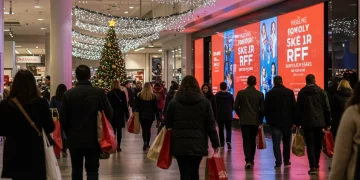
Retail Foot Traffic Analysis: Q4 2024 US Trends Revealed
Analyzing US retail foot traffic data from Q4 2024 reveals crucial shifts in consumer behavior, providing businesses with actionable insights to optimize strategies and enhance in-store experiences.
The landscape of physical retail is constantly evolving, and understanding consumer movement is paramount for success. Our latest Retail Foot Traffic Analysis: Uncovering 7 Key Trends in US Consumer Store Visits from Q4 2024 Data (INSIDER KNOWLEDGE) delves deep into the patterns and preferences shaping the American shopping experience, offering critical insights for businesses looking to stay ahead.
The Resurgence of the Physical Store Experience
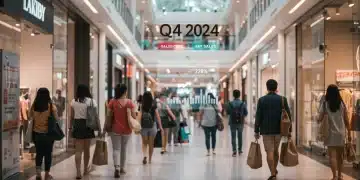
Q4 2024 data indicates a notable shift in consumer behavior, with many shoppers returning to physical retail locations after a period of increased online activity. This resurgence isn’t merely a return to old habits; it’s a re-evaluation of the in-store experience, driven by factors such as immediate gratification, social interaction, and sensory engagement that online shopping cannot fully replicate.
Retailers who have invested in creating engaging, experiential environments are seeing the most significant gains in foot traffic. The data suggests that consumers are seeking more than just transactions; they desire discovery, personalized service, and a sense of community.
Prioritizing In-Store Engagement
The focus for many successful retailers in Q4 2024 was on transforming their stores into destinations rather than mere points of sale. This involved a blend of technology, human interaction, and curated product displays.
- Interactive Displays: Shoppers are drawn to displays that allow them to engage directly with products, offering a hands-on experience.
- Personalized Service: Knowledgeable staff who can offer tailored recommendations significantly enhance the customer journey.
- Community Events: Hosting workshops, product launches, or local gatherings drives traffic and fosters loyalty.
The takeaway here is clear: the physical store is not dead, but its purpose has evolved. It’s now a hub for brand interaction and a crucial component of an omnichannel strategy, complementing rather than competing with online channels. Retailers must continue to innovate in this space to capture and retain customer attention.
Geographical Shifts: Urban vs. Suburban Dynamics
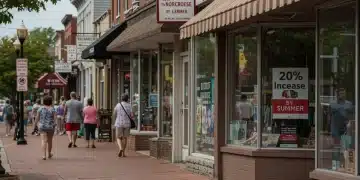
Analyzing Q4 2024 foot traffic data reveals distinct patterns in urban and suburban retail environments across the US. While urban centers continue to attract significant traffic, often driven by tourism and office workers, suburban areas are showing a consistent and sometimes even accelerated growth in local shopper visits, reflecting ongoing demographic shifts and lifestyle changes.
The work-from-home trend, while modified, still plays a role in how and where people shop. Suburban retail parks and local main streets are benefiting from consumers spending more time in their immediate communities.
Suburban Retail Resilience
Suburban retail locations are demonstrating remarkable resilience and growth. This is largely due to their convenience, ample parking, and a focus on essential services alongside leisure options.
- Convenience Factor: Easier access and less congestion make suburban stores attractive for daily needs.
- Family-Friendly Environments: Many suburban retail centers are designed with families in mind, offering a broader appeal.
- Local Community Focus: A stronger emphasis on local businesses and community events fosters loyalty.
Conversely, urban retail, while recovering, still faces challenges related to public transportation usage, evolving office occupancy rates, and higher operational costs. Successful urban retailers are those that cater to specific niches, offer unique experiences, or integrate seamlessly with mixed-use developments.
The Power of Omnichannel Integration
The Q4 2024 data unequivocally highlights the critical importance of a seamless omnichannel strategy in driving US retail foot traffic. Consumers no longer distinguish sharply between online and offline shopping; they expect a cohesive experience regardless of the touchpoint. Retailers who effectively integrate their digital and physical channels are seeing increased store visits and higher conversion rates.
This integration extends beyond simple click-and-collect options. It encompasses everything from in-store returns for online purchases to using mobile apps for in-store navigation and personalized offers. The goal is to make the customer journey as friction-less and convenient as possible.
Bridging the Digital-Physical Divide
Successful omnichannel strategies leverage technology to enhance the physical store experience. This means using data from online interactions to inform in-store merchandising and customer service.
- Buy Online, Pick Up In-Store (BOPIS): Continues to be a significant driver of foot traffic, as it combines convenience with the opportunity for impulse purchases.
- Mobile App Integration: Apps that offer in-store promotions, product availability checks, and loyalty program access encourage visits.
- Endless Aisle Options: Allowing customers to order out-of-stock items for home delivery while in-store prevents lost sales and enhances satisfaction.
The data suggests that an integrated approach not only boosts foot traffic but also builds stronger customer relationships and increases overall spending. Retailers must view their online and physical stores as complementary parts of a single, unified brand experience.
Impact of Economic Climate on Consumer Visits
The broader economic climate significantly influenced US retail foot traffic in Q4 2024. While consumer confidence showed some resilience, inflationary pressures and interest rate concerns led to more deliberate and value-driven shopping behaviors. This translated into shifts in both the frequency of visits and the types of stores consumers prioritized.
Discount retailers and stores offering strong promotional incentives experienced robust foot traffic, whereas some luxury and discretionary spending categories saw more cautious engagement. Consumers were more likely to visit stores with clear value propositions or those offering unique experiences that justified the outing.

Value-Driven Shopping Behaviors
In an environment where every dollar counts, shoppers are becoming more strategic about their store visits. This often involves planning trips around sales events, loyalty program benefits, and specific needs rather than casual browsing.
- Increased Basket Size: Fewer, more purposeful trips often result in larger individual purchases.
- Promotional Responsiveness: Consumers are highly attuned to sales and discounts, driving traffic during promotional periods.
- Essential vs. Discretionary: Foot traffic for essential goods and services remained strong, while discretionary categories required more compelling reasons for a visit.
Retailers need to be acutely aware of these economic sensitivities and tailor their marketing and in-store offers accordingly. Emphasizing value, loyalty rewards, and exceptional service can help maintain foot traffic even during periods of economic uncertainty.
The Rise of Experiential Retail Destinations
A prominent trend in Q4 2024 US retail foot traffic was the continued ascent of experiential retail. Consumers are increasingly seeking out shopping environments that offer more than just products; they want engaging activities, entertainment, and opportunities for social interaction. This shift is transforming traditional retail spaces into dynamic destinations.
Malls and shopping centers that have successfully integrated elements like pop-up events, dining options, entertainment venues, and community spaces are seeing higher dwell times and repeat visits. The focus is on creating a memorable outing rather than just a quick shopping trip.
Beyond the Transaction: Creating Memories
To attract foot traffic, retailers are innovating with concepts that turn shopping into an event. This includes everything from in-store classes to unique brand activations.
- Immersive Brand Experiences: Stores offering interactive product demonstrations or virtual reality experiences draw crowds.
- Food and Beverage Integration: High-quality cafes, restaurants, and bars within retail spaces encourage longer stays.
- Entertainment and Leisure: Arcades, cinemas, or even art installations provide additional reasons to visit.
This trend emphasizes that the physical store’s role is evolving into a place for entertainment and community building. Retailers who can master this blend of commerce and experience are well-positioned to thrive in the coming years, turning casual visitors into loyal patrons.
Technology’s Role in Enhancing Store Visits
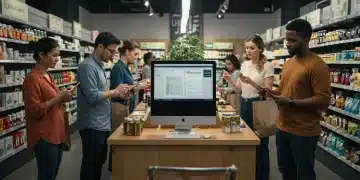
Technology played an increasingly vital role in shaping US retail foot traffic during Q4 2024. Far from being a detractor, technology, when thoughtfully integrated, served as a powerful enhancer of the in-store experience. From intelligent store layouts to personalized digital interactions within the physical space, tech innovations are making store visits more efficient, engaging, and personalized.
Retailers leveraged data analytics to understand traffic patterns better, optimize staffing, and even predict peak shopping times. Smart mirrors, augmented reality try-ons, and self-checkout options were among the technologies that contributed to a smoother and more modern shopping journey.
Innovations Driving In-Store Efficiency and Engagement
The effective use of technology is about solving pain points for customers and creating new opportunities for engagement. It’s not just about flashy gadgets but about practical applications that improve the retail experience.
- AI-Powered Personalization: Using customer data to offer relevant recommendations and promotions in-store.
- Queue Management Systems: Reducing wait times through apps or digital displays enhances customer satisfaction.
- Interactive Kiosks: Providing access to extended product catalogs, customer reviews, and self-service options.
The integration of technology ensures that physical stores remain competitive and relevant in an increasingly digital world. It allows retailers to offer the best of both worlds: the tactile experience of in-person shopping combined with the convenience and personalization of digital tools.
Sustainability and Ethical Shopping Influences
Q4 2024 data indicates a growing influence of sustainability and ethical considerations on US retail foot traffic. A significant segment of consumers is actively seeking out brands and stores that align with their values regarding environmental impact, ethical sourcing, and social responsibility. This trend is moving beyond niche markets and becoming a mainstream expectation.
Retailers who transparently communicate their sustainability efforts and offer ethically produced goods are attracting a loyal customer base. This preference often translates into deliberate store visits to brands known for their positive impact, even if it means traveling further or paying a premium.
Conscious Consumerism and Store Choice
Consumers are increasingly voting with their wallets, choosing to support businesses that demonstrate a commitment to broader societal well-being. This influences not only what they buy but also where they choose to shop.
- Eco-Friendly Store Design: Stores built with sustainable materials or powered by renewable energy attract environmentally conscious shoppers.
- Transparent Sourcing: Brands that clearly communicate their supply chain and ethical practices build trust.
- Circular Economy Initiatives: Offerings like repair services, recycling programs, or second-hand options draw in value-aligned customers.
For retailers, embracing sustainability and ethical practices is no longer just a good deed but a strategic imperative that directly impacts foot traffic and brand loyalty. It’s about building a brand that resonates with the values of modern consumers.
| Key Trend | Brief Description |
|---|---|
| Experiential Retail | Stores focusing on unique experiences, entertainment, and community engagement attract more visits. |
| Omnichannel Synergy | Seamless integration of online and offline channels drives increased store visits and customer loyalty. |
| Suburban Growth | Suburban retail locations show consistent growth, benefiting from convenience and local community focus. |
| Value-Driven Choices | Economic pressures lead consumers to prioritize value, promotions, and essential goods during store visits. |
Frequently Asked Questions About Retail Foot Traffic
Retail foot traffic analysis involves measuring and understanding the number of people entering a physical store or retail location. It helps businesses gauge customer interest, evaluate marketing effectiveness, optimize staffing, and analyze store performance. This data is crucial for strategic decision-making in the retail sector.
Q4 is traditionally the busiest shopping season due to holidays like Black Friday, Cyber Monday, and Christmas. Analyzing Q4 2024 data provides a critical benchmark for annual performance, revealing consumer sentiment during peak periods and indicating trends that will likely carry into the new year. It’s a snapshot of consumer spending habits.
An effective omnichannel strategy seamlessly integrates online and offline shopping experiences. It boosts foot traffic by offering conveniences like Buy Online, Pick Up In-Store (BOPIS), in-store returns for online purchases, and personalized promotions via mobile apps, encouraging customers to visit physical locations to complete their journey.
▼
Technology enhances the in-store experience, making it more appealing. Tools like AI-powered personalization, interactive displays, virtual try-ons, and efficient queue management systems create a modern, engaging, and convenient environment. These innovations attract customers seeking a superior and streamlined shopping journey, keeping physical retail competitive.
Economic conditions, such as inflation and consumer confidence, directly impact foot traffic. In challenging times, consumers become more value-conscious, prioritizing essential purchases and seeking out promotions. Retailers offering clear value propositions or unique experiences tend to maintain stronger foot traffic, as shoppers make more deliberate spending choices.
Conclusion
The detailed Retail Foot Traffic Analysis: Uncovering 7 Key Trends in US Consumer Store Visits from Q4 2024 Data (INSIDER KNOWLEDGE) underscores a dynamic and evolving retail landscape. Success in this environment hinges on a deep understanding of consumer motivations, a commitment to creating exceptional in-store experiences, and a robust integration of digital and physical channels. Retailers who adapt to these trends, prioritizing experiential value, technological innovation, and ethical practices, will not only attract more foot traffic but also cultivate lasting customer loyalty in the competitive US market.