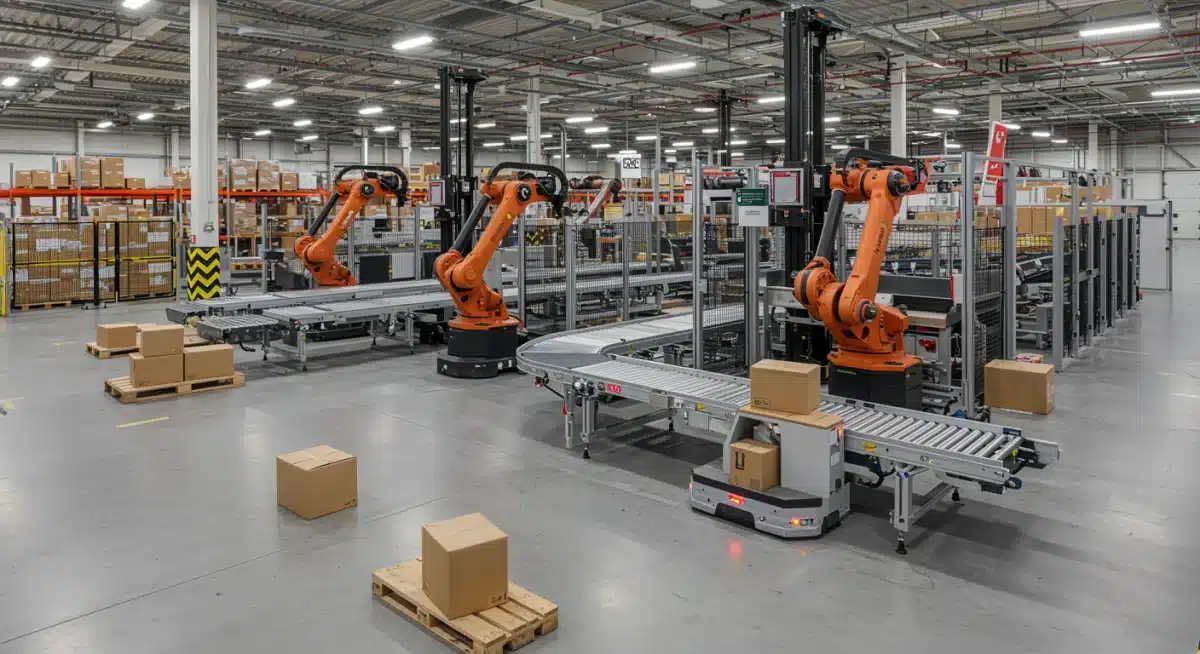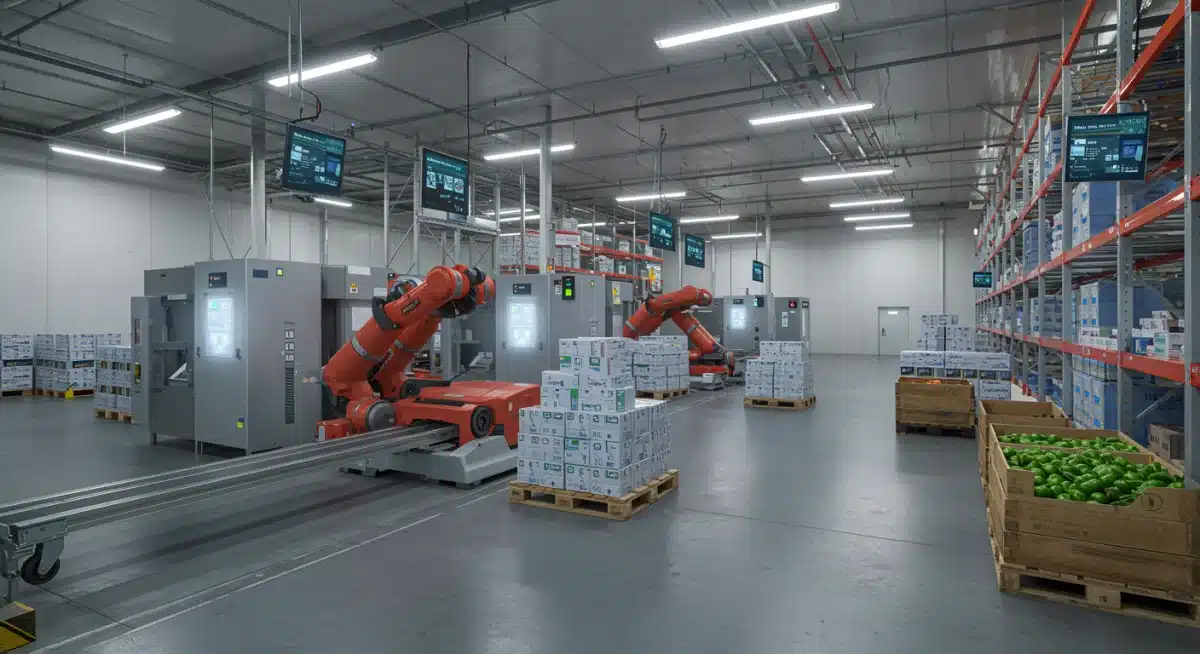
Implementing sustainable logistics practices is essential for businesses to significantly reduce their environmental impact, focusing on strategies like route optimization, green transportation, and efficient warehousing to achieve a 10% carbon footprint reduction within the next 12 months.
In today’s rapidly evolving global economy, the imperative for businesses to adopt more environmentally friendly operations has never been stronger. Specifically, the challenge of achieving sustainable logistics practices and reducing carbon footprint by 10% in the next 12 months is a significant yet attainable goal for many organizations. This article delves into practical strategies and innovations that can help companies transform their supply chains into greener, more efficient systems.
Understanding the Carbon Footprint in Logistics
The logistics sector is a major contributor to global greenhouse gas emissions. From long-haul trucking to air freight and maritime shipping, the movement of goods consumes vast amounts of fossil fuels, leading to a substantial carbon footprint. Understanding the various components of this footprint is the first step toward effective reduction.
A comprehensive analysis involves mapping out all stages of the supply chain, identifying where emissions occur, and quantifying their impact. This includes not just direct emissions from transportation, but also indirect emissions from warehousing, packaging, and infrastructure. By gaining clarity on these elements, businesses can pinpoint areas for intervention and prioritize their sustainability efforts.
Key Emission Sources
- Transportation: Fuel consumption from trucks, ships, planes, and trains.
- Warehousing: Energy used for lighting, heating, cooling, and operating machinery.
- Packaging: Production and disposal of packaging materials.
- Last-Mile Delivery: Inefficient routes and vehicle types in urban areas.
Accurate data collection and reporting are crucial for establishing a baseline carbon footprint. Without precise measurements, it becomes challenging to track progress and demonstrate the effectiveness of implemented strategies. Leveraging technology for data analysis can provide invaluable insights into emission patterns and opportunities for optimization.
Ultimately, a deep understanding of the carbon footprint in logistics empowers companies to make informed decisions, setting realistic reduction targets and designing impactful initiatives. This foundational knowledge is indispensable for any business committed to sustainable practices.
Optimizing Transportation for Lower Emissions
Transportation accounts for a significant portion of logistics-related carbon emissions. Therefore, optimizing transportation strategies is paramount for achieving a 10% reduction in the carbon footprint within a year. This involves a multi-faceted approach, combining route efficiency, mode shifting, and vehicle upgrades.
Route optimization software, for instance, can drastically cut down fuel consumption by identifying the shortest, most efficient paths for deliveries, avoiding traffic congestion, and minimizing idle times. Real-time tracking and dynamic routing capabilities further enhance these efficiencies, allowing for immediate adjustments based on unforeseen circumstances.
Smart Route Planning
Implementing advanced route planning software can lead to immediate and measurable reductions in fuel usage. These systems consider variables such as traffic patterns, road conditions, delivery windows, and vehicle capacity to generate optimal routes.
- Utilize GPS and telematics for real-time tracking and adjustments.
- Consolidate shipments to maximize vehicle capacity and reduce trips.
- Implement backhauling strategies to avoid empty return journeys.
Beyond route optimization, considering alternative modes of transport can yield substantial environmental benefits. Shifting from air freight to sea freight, or from road transport to rail for long distances, can dramatically lower emissions per ton-mile. While these shifts might impact transit times, the environmental gains often outweigh the operational adjustments.
Embracing Eco-Friendly Fleets and Fuels
The transition to eco-friendly fleets and alternative fuels is a cornerstone of modern sustainable logistics practices. Investing in vehicles with lower emissions or those powered by renewable energy sources can significantly reduce a company’s carbon footprint. This transition requires careful planning and a commitment to innovation.
Electric vehicles (EVs) are increasingly viable for last-mile delivery and shorter routes, offering zero tailpipe emissions. While the initial investment can be higher, the long-term operational savings from reduced fuel costs and maintenance can be substantial. Hybrid vehicles also present a good intermediate solution, combining fuel efficiency with reduced emissions.
Investing in Green Vehicles
The move towards electric and hybrid vehicles is gaining momentum. Companies should assess their fleet needs and gradually integrate greener options.
- Pilot electric vehicles for urban delivery routes.
- Explore hydrogen fuel cell vehicles for heavy-duty applications.
- Invest in charging infrastructure to support EV fleets.
Furthermore, exploring alternative fuels for existing fleets can offer immediate carbon reductions. Biodiesel and renewable natural gas (RNG) are drop-in solutions that can be used in many conventional diesel and natural gas engines, respectively, without significant modifications. These fuels offer a lower carbon intensity compared to traditional fossil fuels, contributing to a greener supply chain.
The adoption of telematics and driver behavior monitoring systems can also play a role. By encouraging eco-driving practices such as smooth acceleration, consistent speeds, and minimal idling, companies can optimize fuel consumption across their entire fleet, regardless of fuel type. This holistic approach ensures that both vehicle technology and operational practices align with sustainability goals.
Sustainable Warehousing and Inventory Management
Warehousing and inventory management are often overlooked areas when discussing carbon footprint reduction, yet they offer significant opportunities for improvement. Sustainable practices in these domains can lead to substantial energy savings and waste reduction, contributing to the overall goal of achieving sustainable logistics practices.
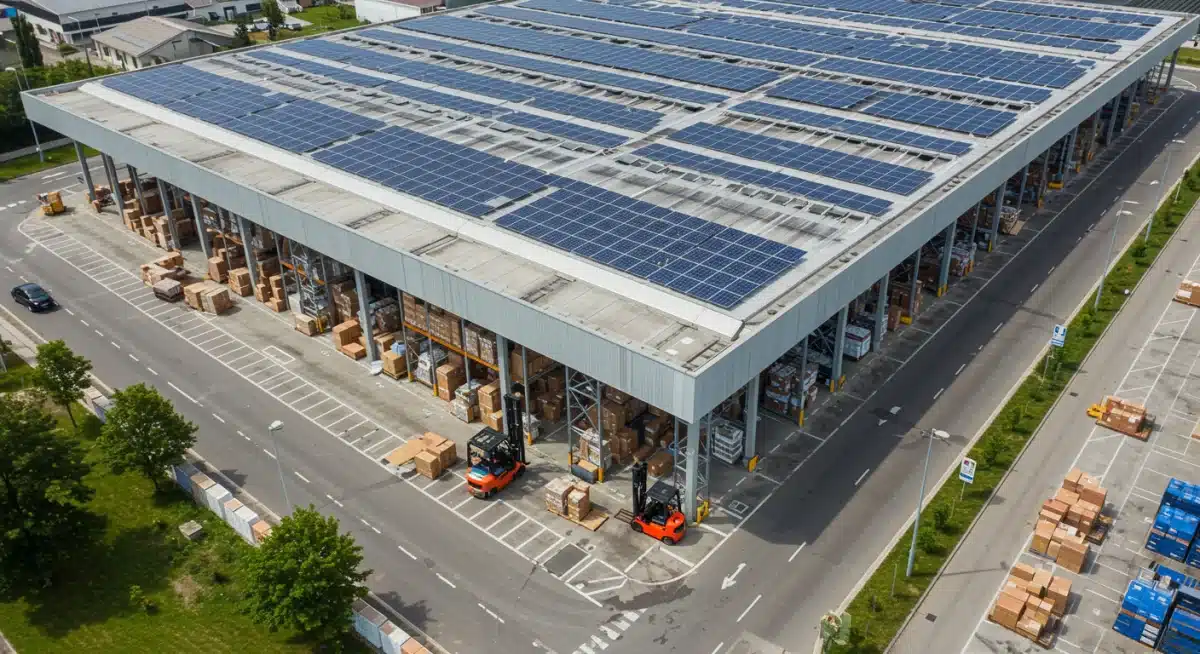
Energy efficiency in warehouses begins with infrastructure. Upgrading to LED lighting, installing energy-efficient HVAC systems, and utilizing renewable energy sources like solar panels can dramatically cut electricity consumption. Smart building management systems can further optimize energy use by adjusting lighting and climate control based on occupancy and operational needs.
Energy-Efficient Warehouse Operations
Implementing energy-saving measures in warehouses is crucial for reducing emissions. These measures range from simple upgrades to advanced technological solutions.
- Install solar panels on warehouse roofs to generate clean energy.
- Utilize efficient insulation and natural lighting to reduce heating and cooling demands.
- Implement automated systems for lighting and temperature control.
Beyond energy, optimizing inventory management plays a vital role. By minimizing excess stock, companies can reduce the need for large storage spaces and the energy required to maintain them. Just-in-Time (JIT) inventory systems, for example, help reduce waste and obsolescence, leading to a more efficient and sustainable operation.
Waste reduction initiatives, such as recycling programs for packaging materials and proper disposal of hazardous waste, also contribute to a greener warehouse. The goal is to create a lean, efficient, and environmentally responsible warehousing operation that aligns with broader sustainability objectives.
Leveraging Technology for Green Logistics
Technology is a powerful enabler of sustainable logistics practices, offering innovative solutions to reduce carbon emissions across the supply chain. From advanced analytics to blockchain and AI, these tools can provide unprecedented visibility and optimization capabilities, helping businesses achieve their 10% carbon reduction target.
Big data analytics, for instance, can process vast amounts of operational data to identify inefficiencies, predict demand, and optimize resource allocation. This allows companies to make data-driven decisions that minimize waste and improve overall environmental performance. Predictive analytics can forecast potential disruptions, enabling proactive adjustments to avoid unnecessary emissions.
Digital Transformation in Supply Chain
Digital tools are revolutionizing how supply chains operate, making them more efficient and sustainable. Embracing these technologies is key to achieving significant environmental improvements.
- Utilize IoT sensors for real-time monitoring of vehicle performance and cargo conditions.
- Implement AI-driven demand forecasting to reduce overproduction and waste.
- Employ blockchain for transparent tracking of goods and ethical sourcing.
Artificial intelligence (AI) and machine learning can optimize everything from inventory levels to vehicle loading and routing, often surpassing human capabilities in identifying the most efficient solutions. AI algorithms can learn from past data to continuously improve operational efficiency, leading to ongoing carbon reductions.
Furthermore, the Internet of Things (IoT) provides real-time data on asset location, performance, and environmental conditions, enabling proactive maintenance and preventing costly breakdowns that could lead to delays and increased emissions. By integrating these technologies, companies can build a smarter, more resilient, and environmentally friendly supply chain.
Collaboration and Supply Chain Transparency
Achieving significant carbon footprint reductions in logistics is not solely an internal effort; it requires extensive collaboration across the entire supply chain. Building transparent relationships with suppliers, partners, and even competitors can unlock collective efficiencies and drive systemic change towards more sustainable logistics practices.
Sharing best practices, pooling resources, and coordinating efforts can lead to economies of scale and shared environmental benefits. For example, collaborative transportation initiatives, where multiple companies share vehicle capacity, can reduce the number of partially loaded trucks on the road, thereby cutting emissions.
Building Green Partnerships
Collaboration is essential for widespread sustainability improvements. Engaging with all stakeholders in the supply chain can amplify positive environmental impacts.
- Work with suppliers to adopt greener packaging and production methods.
- Participate in industry initiatives focused on sustainable logistics.
- Share logistics infrastructure with non-competing businesses.
Transparency is another critical component. By openly communicating sustainability goals and performance metrics, companies can hold themselves accountable and encourage their partners to do the same. This also allows for better tracking of emissions throughout the supply chain, from raw material extraction to final delivery.
Blockchain technology can enhance this transparency by providing an immutable record of transactions and product journeys, ensuring that sustainability claims are verifiable. Ultimately, a collaborative and transparent supply chain fosters trust, drives innovation, and accelerates the adoption of environmentally responsible practices across the entire ecosystem.
Measuring Progress and Continuous Improvement
Reducing carbon footprint by 10% in the next 12 months requires a robust framework for measuring progress and a commitment to continuous improvement. Without accurate data and regular evaluations, it’s impossible to know if the implemented sustainable logistics practices are truly effective.
Establishing clear Key Performance Indicators (KPIs) related to carbon emissions is the first step. These might include metrics such as grams of CO2 per ton-mile, energy consumption per square foot of warehouse space, or percentage of fleet operating on alternative fuels. Regular monitoring of these KPIs provides insights into performance and highlights areas needing further attention.
Tracking and Reporting
Effective measurement and reporting are vital for demonstrating progress and ensuring accountability in sustainability initiatives.
- Implement carbon accounting software to track emissions across all operations.
- Conduct regular audits of energy consumption and waste generation.
- Publish annual sustainability reports to communicate progress to stakeholders.
Moreover, continuous improvement means not resting on initial successes. The logistics landscape is constantly evolving, with new technologies and regulations emerging regularly. Companies must stay abreast of these developments and be willing to adapt their strategies to maintain and enhance their sustainability performance.
This iterative process involves setting new, more ambitious targets once initial goals are met, exploring emerging green technologies, and fostering a culture of sustainability throughout the organization. Regular reviews, stakeholder feedback, and benchmarking against industry best practices ensure that the journey towards a truly sustainable supply chain is ongoing and impactful.
| Key Practice | Brief Description |
|---|---|
| Route Optimization | Use software to find the most efficient delivery paths, reducing fuel use and emissions. |
| Green Fleets | Transition to electric, hybrid, or alternative fuel vehicles for lower emissions. |
| Sustainable Warehousing | Implement energy-efficient lighting, HVAC, and renewable energy in storage facilities. |
| Supply Chain Collaboration | Work with partners to share resources and adopt collective sustainability initiatives. |
Frequently Asked Questions About Sustainable Logistics
The primary goal of sustainable logistics practices is to minimize the environmental impact of supply chain operations while maintaining or improving efficiency. This includes reducing carbon emissions, waste, and resource consumption across transportation, warehousing, and packaging activities.
Route optimization reduces carbon footprint by calculating the most efficient delivery paths, minimizing mileage, fuel consumption, and transit times. This leads to fewer emissions per delivery and improved operational efficiency, directly contributing to sustainability goals.
While electric vehicles are highly viable for last-mile and urban deliveries, their application for heavy-duty, long-haul logistics is still developing. However, advancements in battery technology and charging infrastructure are steadily making them more feasible for extended routes, alongside hydrogen fuel cell options.
Technology is crucial in green logistics, enabling data-driven decisions through AI, IoT, and big data analytics. These tools optimize routes, manage inventory, monitor fleet performance, and provide transparency, all contributing to significant reductions in energy consumption and emissions.
Supply chain collaboration is extremely important for sustainability. By working with suppliers and partners, companies can share resources, implement joint initiatives, and collectively adopt greener practices, leading to broader and more impactful carbon reductions across the entire value chain.
Conclusion
The journey towards reducing the carbon footprint by 10% in the next 12 months through sustainable logistics practices is ambitious but entirely achievable. It requires a strategic combination of technological innovation, operational optimization, and collaborative partnerships. By focusing on efficient transportation, eco-friendly fleets, sustainable warehousing, and leveraging advanced data analytics, businesses can not only meet their environmental targets but also foster greater efficiency and resilience within their supply chains. The commitment to continuous improvement and transparency will ultimately pave the way for a greener, more sustainable future in logistics.