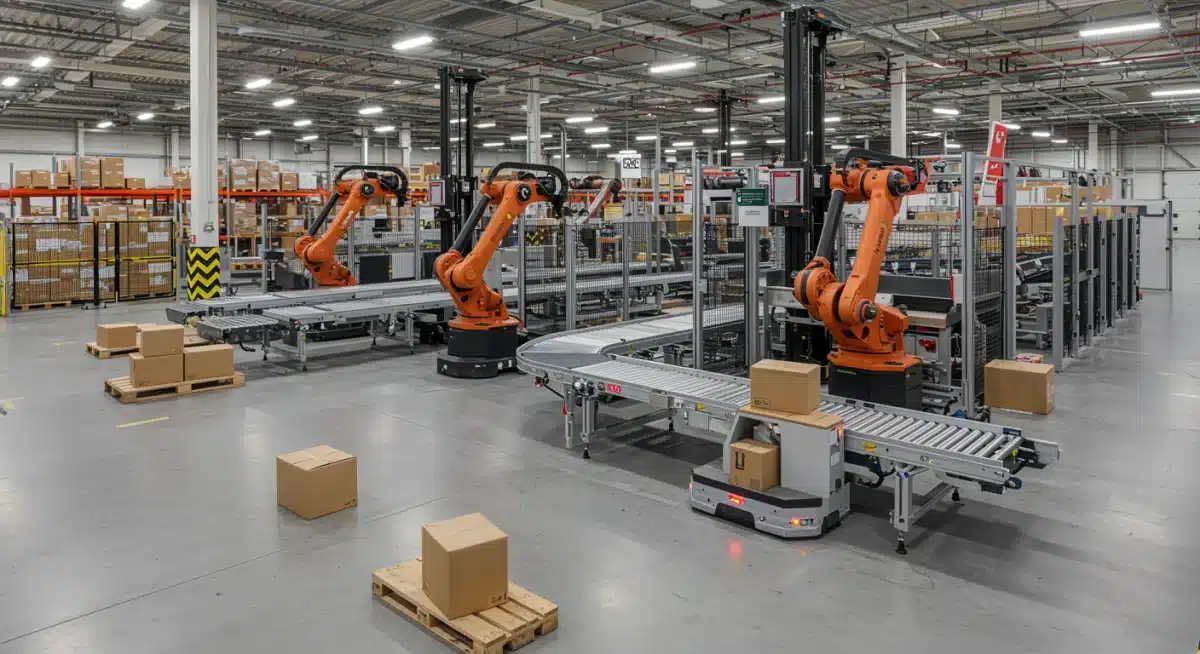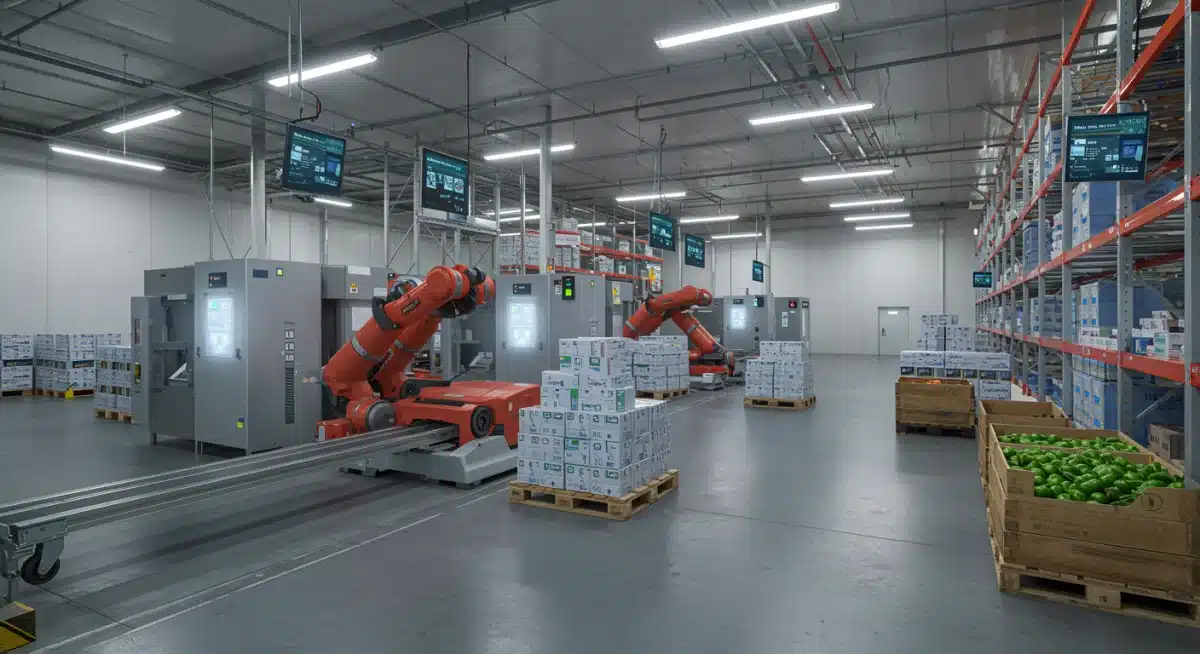
Implementing robust supply chain diversification strategies is crucial for US businesses aiming to reduce operational risks by a significant 20% in 2025, fostering greater resilience and stability.
In an increasingly interconnected yet volatile global economy, US businesses face unprecedented challenges in maintaining stable and efficient operations. The need for robust supply chain diversification strategies has never been more critical, promising to reduce risk by a projected 20% for US businesses in 2025, safeguarding against disruptions and fostering sustained growth.
Understanding the Imperative for Supply Chain Diversification
The past few years have vividly demonstrated the fragility of highly concentrated supply chains. From geopolitical tensions to natural disasters and pandemics, single-source dependencies have left many US businesses vulnerable, leading to significant financial losses and reputational damage. Diversification is no longer a luxury but a fundamental requirement for business continuity and competitive advantage.
By spreading sourcing, manufacturing, and logistics across multiple regions and partners, companies can build inherent resilience. This approach minimizes the impact of localized disruptions, ensuring that if one part of the chain falters, alternative avenues are readily available to maintain operations.
The Evolving Risk Landscape for US Businesses
US businesses operate within a dynamic environment where risks are constantly evolving. Geopolitical shifts, trade policy changes, and climate-related events are just a few factors that can suddenly impede supply flows. A proactive stance on diversification helps mitigate these unpredictable elements.
- Geopolitical Instability: Tariffs, trade wars, and international conflicts can abruptly cut off access to critical components or markets.
- Natural Disasters: Earthquakes, hurricanes, and floods can devastate production facilities or transportation hubs in specific regions.
- Economic Volatility: Currency fluctuations and economic downturns in key supplier countries can impact costs and availability.
- Cybersecurity Threats: Digital attacks on logistics or supplier networks can disrupt operations globally.
Recognizing and preparing for these diverse risks through strategic diversification allows US businesses to maintain agility and responsiveness. It shifts the focus from merely reacting to crises to building an intrinsically robust system that can absorb shocks.
Ultimately, understanding the multifaceted nature of modern supply chain risks is the first step toward building a truly resilient operational framework. Diversification acts as the primary tool in this endeavor, providing a strategic buffer against the unforeseen.
Strategic Sourcing: Beyond Single-Supplier Dependencies
Strategic sourcing is at the heart of effective supply chain diversification strategies. Moving beyond the traditional model of relying on a single, often lowest-cost, supplier is paramount for US businesses aiming for long-term stability and a 20% risk reduction by 2025. This involves identifying and cultivating relationships with multiple suppliers across different geographical locations and even diverse business models.
The goal is not just to have more suppliers, but to have a strategically balanced portfolio of suppliers. This means assessing each potential partner not only on cost but also on reliability, quality, ethical practices, and their own resilience to external shocks. A well-diversified supplier base acts as a safety net, ensuring continuity even if one supplier faces an unexpected challenge.
Geographic Supplier Distribution
Distributing suppliers across various regions is a cornerstone of diversification. This reduces exposure to localized risks such as political unrest, natural disasters, or labor strikes in a single country. For instance, if a company sources a critical component from Southeast Asia, having an alternative supplier in Latin America or North America can prevent major disruptions.
This geographic dispersion also offers advantages in terms of lead times and transportation costs, potentially allowing for faster delivery to different markets and mitigating the impact of rising shipping expenses from any single region.
Developing a Multi-Tiered Supplier Network
Diversification extends beyond immediate tier-one suppliers to encompass the entire supply chain ecosystem. Understanding and diversifying sub-tier suppliers is equally important, as disruptions at lower tiers can ripple upwards and impact final product availability. Mapping out the entire supply chain to identify critical dependencies and potential single points of failure is a crucial step.
- Tier 1 Suppliers: Direct suppliers of components or finished goods.
- Tier 2 Suppliers: Suppliers to Tier 1, providing sub-components or raw materials.
- Tier 3 Suppliers: Raw material providers to Tier 2.
By engaging with suppliers at various tiers and encouraging them to diversify their own sourcing, US businesses can create a more robust and interconnected network. This proactive approach significantly enhances overall supply chain resilience.
Ultimately, strategic sourcing is about building a resilient web of partnerships rather than a fragile linear chain. It requires continuous evaluation and adaptation, but the benefits in risk reduction and operational stability are substantial.
Nearshoring and Reshoring: Bringing Production Closer to Home
Nearshoring and reshoring represent significant facets of modern supply chain diversification strategies, particularly for US businesses aiming to reduce risk and enhance control. These strategies involve relocating production or sourcing activities closer to the domestic market, either to neighboring countries (nearshoring) or back to the United States (reshoring). The primary drivers for these shifts include reducing lead times, improving quality control, mitigating geopolitical risks, and gaining better visibility over the supply chain.
While the initial cost analysis might suggest higher labor or operational expenses compared to traditional offshore manufacturing, the long-term benefits in terms of reduced risk, increased agility, and enhanced responsiveness often outweigh these upfront considerations. The goal is to create a more localized and controllable supply chain ecosystem.
Advantages of Nearshoring and Reshoring
Bringing production closer to home offers several compelling advantages that contribute directly to a 20% risk reduction target for US businesses in 2025. These benefits extend beyond simple cost savings, touching upon critical operational and strategic areas.
- Reduced Lead Times: Shorter distances mean faster transportation, allowing for quicker response to market demand and reduced inventory holding costs.
- Enhanced Quality Control: Proximity enables more frequent site visits, easier communication, and better oversight of manufacturing processes, leading to higher product quality.
- Lower Transportation Costs and Emissions: Decreased shipping distances translate to lower fuel expenses and a smaller carbon footprint, aligning with sustainability goals.
- Mitigated Geopolitical Risks: Less exposure to international trade disputes, tariffs, and political instability in distant regions.
- Improved Intellectual Property Protection: Operating within familiar legal frameworks can offer better safeguards for proprietary designs and technologies.
These advantages collectively contribute to a more stable and predictable supply chain, allowing US businesses to operate with greater confidence and less susceptibility to global disruptions.
Challenges and Considerations
While the benefits are clear, implementing nearshoring and reshoring strategies comes with its own set of challenges. Businesses must carefully evaluate these factors to ensure a successful transition.
The availability of skilled labor, the cost of setting up new facilities, and the potential need for significant capital investment are all important considerations. Additionally, establishing new supplier relationships in closer geographies requires due diligence and time. However, government incentives and a growing focus on domestic manufacturing are making these options increasingly viable and attractive for many US firms.
Ultimately, nearshoring and reshoring are powerful tools in the diversification toolkit, offering US businesses a pathway to greater supply chain control and resilience by reducing reliance on distant and potentially volatile sources.
Leveraging Technology for Enhanced Visibility and Agility
In the pursuit of robust supply chain diversification strategies, technology plays an indispensable role for US businesses. Achieving a 20% risk reduction by 2025 is highly dependent on leveraging advanced digital tools to gain unprecedented visibility into complex supply networks and to foster greater agility in response to disruptions. Technologies such as AI, machine learning, blockchain, and advanced analytics are transforming how companies manage their diversified supply chains.
These tools move beyond traditional inventory management, offering real-time insights into supplier performance, geopolitical events, weather patterns, and demand fluctuations. This proactive intelligence allows businesses to anticipate potential issues and activate alternative supply routes before disruptions escalate into full-blown crises.
Real-Time Data and Predictive Analytics
The ability to collect and analyze vast amounts of data in real-time is a game-changer for supply chain management. Predictive analytics, powered by AI and machine learning, can forecast demand patterns, identify potential bottlenecks, and even predict supplier failures based on historical data and external factors. This allows US businesses to make informed decisions and adjust their diversification strategies dynamically.

For example, if a weather event is projected to impact a key port, predictive analytics can flag this risk, allowing the company to reroute shipments or activate alternative sourcing from a diversified supplier well in advance. This proactive mitigation is central to reducing overall supply chain risk.
Blockchain for Transparency and Traceability
Blockchain technology offers an immutable and transparent ledger for tracking goods and transactions across the supply chain. This enhanced traceability is particularly valuable in diversified networks, where origins can be complex. For US businesses, blockchain can verify the authenticity of products, track their journey from raw material to consumer, and ensure compliance with ethical and regulatory standards.
- Enhanced Trust: Provides verifiable records of transactions and product origins.
- Improved Traceability: Allows for quick identification of the source of issues, such as contaminated goods or faulty components.
- Reduced Fraud: Makes it harder for counterfeit products to enter the supply chain.
- Streamlined Auditing: Simplifies compliance checks and regulatory reporting.
By integrating blockchain, companies can build greater trust with their diversified partners and customers, while also gaining an unparalleled level of insight into the integrity of their supply flows. This transparency is a key enabler for effective risk management in complex, diversified supply chains.
In essence, technology empowers US businesses to not just diversify their supply chains, but to manage and optimize these complex networks with intelligence and foresight, moving closer to the goal of a 20% risk reduction.
Building Robust Supplier Relationships and Partnerships
Beyond simply identifying new suppliers, a critical component of successful supply chain diversification strategies involves cultivating robust relationships and strategic partnerships. For US businesses aiming to reduce risk by 20% in 2025, it’s not just about transactional interactions; it’s about fostering collaboration, transparency, and mutual trust with a diverse set of partners. Strong relationships ensure reliability, flexibility, and a shared commitment to overcoming challenges.
Engaging with suppliers as true partners encourages open communication, allowing for early detection of potential issues and collaborative problem-solving. This approach transforms suppliers from mere vendors into integral extensions of the business, essential for building a resilient and adaptive supply chain.
Establishing Clear Communication Channels
Effective communication is the bedrock of any strong partnership. With diversified suppliers often spread across different geographies and cultures, establishing clear and consistent communication channels is paramount. This includes regular check-ins, performance reviews, and dedicated points of contact to discuss forecasts, potential disruptions, and opportunities for improvement.
Transparency in communication helps both parties understand expectations and limitations, fostering an environment where issues can be addressed proactively rather than reactively. This open dialogue is crucial for navigating the complexities inherent in a diversified supply network.
Joint Risk Assessment and Contingency Planning
Collaborating with diversified suppliers on risk assessment and contingency planning significantly enhances overall supply chain resilience. By sharing insights into potential vulnerabilities and jointly developing mitigation strategies, US businesses can ensure that all partners are prepared for disruptions. This might involve:
- Shared Visibility Platforms: Implementing technology that provides real-time data access to both parties.
- Joint Training Programs: Educating suppliers on specific quality standards or operational protocols.
- Pre-agreed Backup Plans: Establishing alternative production sites or transportation routes in advance.
- Regular Stress Testing: Simulating disruption scenarios to test the effectiveness of contingency plans.
This collaborative approach ensures that the entire diversified network is aligned and ready to respond cohesively when faced with unexpected events. It moves beyond individual risk management to a collective resilience strategy.
In summary, investing in strong supplier relationships transforms diversification from a mere list of alternative vendors into a powerful network of committed partners, vital for securing the supply chain against future uncertainties.
Implementing a Diversified Inventory Management System
A crucial, yet often overlooked, aspect of effective supply chain diversification strategies is the implementation of a diversified inventory management system. For US businesses targeting a 20% reduction in risk by 2025, simply diversifying suppliers isn’t enough; how inventory is managed and positioned across the network is equally vital. This involves moving away from a single, centralized inventory model to a more distributed and flexible approach.
The goal is to minimize single points of failure related to stock availability, ensuring that even if one distribution center or supplier faces a disruption, critical inventory levels can be maintained from alternative locations. This strategic distribution of stock enhances resilience and responsiveness.
Decentralized Warehousing and Distribution
Decentralizing warehousing and distribution across multiple geographic locations is a key component of a diversified inventory strategy. Instead of relying on one large central warehouse, businesses can establish smaller, regional hubs that serve specific markets. This reduces the risk of a single event, such as a natural disaster or labor strike, crippling the entire distribution network.
Furthermore, decentralized networks can reduce last-mile delivery times and costs, improving customer satisfaction. It also provides greater flexibility in managing demand fluctuations across different regions, allowing for more agile inventory deployment.
Strategic Stockpiling and Safety Stock
While lean inventory practices are often lauded for cost efficiency, a diversified approach acknowledges the strategic importance of safety stock and, in some cases, stockpiling critical components. This doesn’t mean accumulating excessive inventory; rather, it’s about intelligently identifying high-risk items or components with long lead times and maintaining appropriate buffer stocks.
- Critical Components: Identify parts whose disruption would halt production entirely.
- Long Lead Time Items: Stockpile items that take a long time to procure from alternative sources.
- High-Volatility Demand: Maintain buffer stock for products with unpredictable demand patterns.
- Geopolitical Risk Items: Consider extra stock for items sourced from politically unstable regions.
The key is to balance the cost of holding inventory against the cost of a potential stock-out. Strategic stockpiling, especially for items with limited alternative sources, acts as an insurance policy against unforeseen disruptions, bolstering the overall resilience of the diversified supply chain.
By combining decentralized warehousing with intelligent safety stock strategies, US businesses can significantly enhance their ability to withstand supply shocks, contributing directly to the 20% risk reduction target.
Measuring and Continuous Improvement of Diversification Efforts
The implementation of supply chain diversification strategies is not a one-time event; it requires continuous measurement, evaluation, and improvement. For US businesses committed to reducing risk by 20% in 2025, establishing clear metrics and a framework for ongoing assessment is paramount. Without proper measurement, it’s impossible to determine the effectiveness of diversification efforts or identify areas for further optimization.
This involves tracking key performance indicators (KPIs) related to supplier performance, lead times, inventory levels, and ultimately, the frequency and impact of supply chain disruptions. The goal is to create a feedback loop that informs strategic adjustments and ensures the diversification strategy remains relevant and effective in a changing global landscape.
Key Performance Indicators for Diversified Supply Chains
Measuring the success of diversification requires a set of specific KPIs that go beyond traditional metrics. These KPIs should focus on the resilience and agility gained through diversification.
- Supplier Risk Score: A composite score evaluating each supplier’s financial health, geopolitical exposure, and operational reliability.
- Diversification Index: A metric that quantifies the spread of sourcing across different regions and partners.
- Lead Time Variability: Measuring the consistency of delivery times across different suppliers and routes.
- Disruption Recovery Time: The average time it takes to restore normal operations after a supply chain disruption.
- Cost of Disruption Avoidance: Quantifying the financial benefits of averted disruptions due to diversification.
By regularly monitoring these KPIs, US businesses can gain actionable insights into the strengths and weaknesses of their diversified supply chain, allowing for targeted improvements.
Regular Audits and Scenario Planning
To ensure continuous improvement, regular audits of the diversified supply chain and proactive scenario planning are essential. Audits should assess supplier compliance, performance against agreements, and adherence to sustainability and ethical standards. This helps maintain the quality and reliability of the entire network.
Scenario planning, on the other hand, involves simulating various potential disruptions – from natural disasters to trade wars – to test the robustness of the diversification strategy. This allows businesses to identify vulnerabilities that might not be apparent during normal operations and refine their contingency plans accordingly. It’s a dynamic process that ensures the supply chain remains adaptable.
Ultimately, a commitment to continuous measurement and improvement ensures that supply chain diversification strategies remain a living, evolving framework that consistently contributes to risk reduction and sustained business resilience for US enterprises.
| Key Diversification Strategy | Brief Description for Risk Reduction |
|---|---|
| Strategic Sourcing | Cultivating multiple suppliers across diverse geographies to mitigate single-point-of-failure risks. |
| Nearshoring/Reshoring | Relocating production closer to home markets to reduce lead times, transport costs, and geopolitical exposure. |
| Technology Integration | Utilizing AI, blockchain, and analytics for real-time visibility, predictive insights, and enhanced traceability. |
| Diversified Inventory | Implementing decentralized warehousing and strategic stockpiling for critical items to prevent stock-outs. |
Frequently Asked Questions About Supply Chain Diversification
Supply chain diversification is crucial to mitigate risks from geopolitical instability, natural disasters, and economic volatility. It ensures business continuity, reduces dependency on single sources, and aims to cut operational risks by 20% for US businesses, fostering resilience and sustained competitive advantage in a dynamic global market.
Nearshoring and reshoring offer reduced lead times, improved quality control, lower transportation costs, and mitigated geopolitical risks. They also enhance intellectual property protection and provide greater control over manufacturing processes, contributing significantly to a more stable and predictable supply chain for US companies.
Technology like AI, machine learning, and blockchain provides real-time visibility, predictive analytics, and enhanced traceability. These tools help identify potential disruptions, optimize supplier performance, and ensure transparency, allowing US businesses to proactively manage complex diversified networks and respond agilely to changes.
Strong supplier relationships are fundamental. They foster collaboration, transparency, and mutual trust, turning suppliers into true partners. This approach facilitates open communication, joint risk assessment, and contingency planning, ensuring that the entire diversified network is aligned and ready to respond cohesively to challenges.
Effectiveness is measured through KPIs such as supplier risk scores, diversification indexes, lead time variability, and disruption recovery times. Regular audits and scenario planning also help assess the robustness of the strategy, ensuring continuous improvement and adaptability to evolving global conditions for US businesses.
Conclusion
The journey towards achieving a 20% reduction in supply chain risk for US businesses by 2025 through comprehensive diversification strategies is both challenging and imperative. By strategically spreading sourcing, embracing nearshoring and reshoring, leveraging cutting-edge technology for visibility, fostering robust supplier partnerships, and implementing intelligent inventory management, companies can build truly resilient and future-proof operations. This proactive approach not only safeguards against unforeseen disruptions but also positions businesses for sustainable growth and enhanced competitiveness in an ever-changing global marketplace.