To achieve successful pop-up shops in 2025, small retailers must strategically plan a 3-month high-impact event by focusing on location, unique product offerings, targeted marketing, and an engaging customer experience.
Are you a small retailer looking to make a significant splash in 2025? Launching successful pop-up shops can be a game-changer, offering a unique opportunity to connect with customers, test new products, and boost your brand visibility without the long-term commitment of a traditional storefront. This comprehensive guide will walk you through a detailed 3-month plan to ensure your pop-up event is not just memorable, but also highly profitable.
Understanding the Pop-Up Phenomenon in 2025
Pop-up shops have evolved significantly, moving beyond temporary sales events to become strategic marketing tools for small businesses. In 2025, they offer an agile way to adapt to changing consumer behaviors and market trends, providing a direct channel for customer feedback and brand building. These temporary retail spaces allow for creative freedom and can generate considerable buzz around your brand, especially when executed with precision and a clear vision.
The appeal of pop-ups lies in their novelty and exclusivity. Consumers are drawn to limited-time offers and unique experiences that can’t be found elsewhere. For small retailers, this translates into an opportunity to create urgency and excitement, driving foot traffic and sales in a concentrated period. Understanding this dynamic is crucial for crafting an event that resonates with your target audience and stands out in a competitive retail landscape.
Why Pop-Ups are Essential for Small Retailers
For small businesses, pop-ups provide a low-risk entry into new markets or a chance to test new product lines without substantial overhead. They offer flexibility, allowing you to experiment with different locations, themes, and product assortments. This adaptability is invaluable in today’s fast-paced retail environment, enabling quick pivots based on real-time consumer response.
- Market Testing: Validate new products or concepts with minimal investment.
- Brand Exposure: Increase visibility and reach new customer segments.
- Community Engagement: Foster direct relationships with your local audience.
- Seasonal Sales: Capitalize on holidays or specific events with themed offerings.
In conclusion, the strategic value of pop-up shops in 2025 cannot be overstated for small retailers. They are not merely temporary sales points but powerful platforms for innovation, brand growth, and direct consumer connection, demanding a well-thought-out plan to maximize their potential.
Month 1: Strategic Planning and Foundation Building
The first month of your 3-month pop-up journey is dedicated to meticulous planning and laying a solid foundation. This phase involves defining your objectives, understanding your audience, selecting the right location, and refining your product offering. A strong start here will dictate the success of your entire event, ensuring every subsequent step is aligned with your overarching goals.
Without a clear vision and detailed plan, even the most innovative products can fall flat. This initial month is about research, introspection, and making informed decisions that will shape the customer experience and operational efficiency of your pop-up shop. Consider this your blueprint month, where every detail is sketched out before construction begins.
Defining Your Pop-Up Objectives and Target Audience
Before anything else, articulate what you aim to achieve. Is it to increase brand awareness, clear old inventory, launch a new product, or simply generate sales? Your objectives will guide all subsequent decisions. Simultaneously, deeply understand your target audience: their demographics, interests, shopping habits, and where they typically spend their time. This knowledge is key to selecting the right location and marketing approach.
- Clear Goals: Establish measurable objectives (e.g., sales targets, customer acquisition).
- Audience Persona: Create detailed profiles of your ideal customers.
- Competitive Analysis: Research other pop-ups or retailers in your niche.
Location, Location, Location: Finding the Perfect Spot
Choosing the right venue is paramount. Consider high-traffic areas, spaces that align with your brand aesthetic, and locations frequented by your target audience. Research potential partners like existing boutiques, cafes, or event spaces that might offer a symbiotic relationship. Negotiate terms carefully, ensuring the space meets your operational needs and budget.
The location should not only be accessible but also reflect your brand’s personality. A luxury brand might opt for an upscale gallery, while a quirky artisan could thrive in a vibrant market square. Accessibility, foot traffic, and synergy with neighboring businesses are critical factors to evaluate.
Concluding month one, you should have a clear understanding of your pop-up’s purpose, who you’re trying to reach, and a strong lead on a suitable location. This foundational work is critical for building momentum and ensuring your efforts in the coming months are well-directed and impactful.
Month 2: Design, Sourcing, and Marketing Momentum
With your foundational plans in place, month two shifts focus to bringing your vision to life. This involves designing the physical space, sourcing necessary materials and inventory, and, crucially, launching your marketing campaigns. This is where creativity meets logistics, transforming your conceptual ideas into tangible preparations for a high-impact event.
The aesthetic appeal of your pop-up and the quality of your products will be key differentiators. Simultaneously, effective marketing will ensure that your target audience knows about your event and is eager to attend. Balance the creative aspects with practical considerations to ensure a smooth execution.
Crafting an Engaging Pop-Up Experience
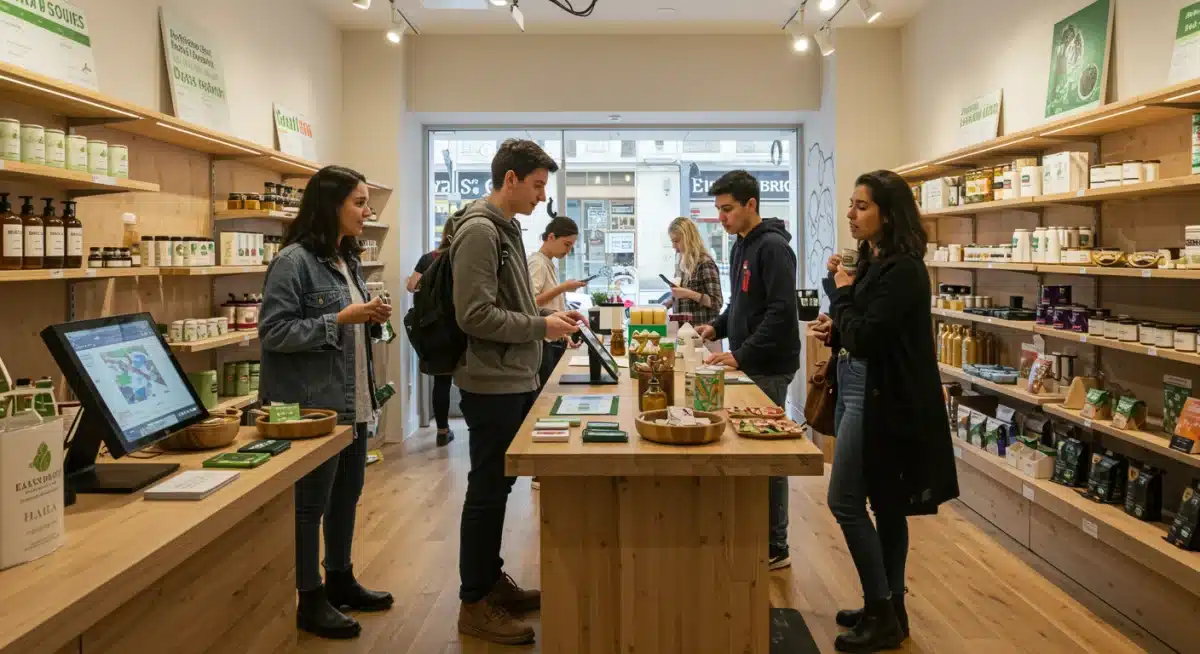
The physical design of your pop-up should be an extension of your brand story. Think about layout, lighting, signage, and display fixtures. How will customers interact with your products? What sensory elements can you incorporate (e.g., music, scent) to enhance the experience? Create a space that is not just transactional but experiential, encouraging discovery and engagement.

Consider the flow of foot traffic and how to guide customers through your space. Interactive elements, photo opportunities, and comfortable seating can all contribute to a memorable visit. The goal is to create an environment that encourages dwell time and positive associations with your brand.
Product Sourcing and Inventory Management
Ensure you have adequate inventory to meet anticipated demand without overstocking. Establish reliable suppliers and have a system for tracking inventory. If you’re offering custom or limited-edition items, plan production timelines carefully. Quality control is paramount to uphold your brand’s reputation.
- Supplier Relationships: Confirm orders and delivery schedules.
- Inventory Tracking: Implement a simple system for monitoring stock levels.
- Quality Assurance: Inspect products upon arrival to maintain standards.
Launching Your Marketing Blitz
Begin promoting your pop-up shop aggressively across multiple channels. Utilize social media, email marketing, local press, and collaborations with influencers or complementary businesses. Create compelling visuals and messaging that highlight the unique aspects of your event, building anticipation and excitement well before opening day.
A multi-channel approach is vital for reaching a broad audience. Tease your event with sneak peeks, countdowns, and exclusive offers for early birds. Leverage location-based targeting on social media to reach potential customers in the vicinity of your chosen venue. Consider a press release for local media outlets to generate organic coverage.
By the end of month two, your pop-up space should be well into its design phase, your inventory secured, and your marketing efforts in full swing. This proactive approach ensures you’re ready for the final push and poised for a highly successful launch.
Month 3: Execution, Operations, and Grand Opening
The final month before your pop-up shop opens is a whirlwind of final preparations, operational setup, and the grand unveiling. This phase requires meticulous attention to detail, ensuring everything from payment systems to staffing is perfectly aligned for a seamless customer experience. It’s about translating all your hard work into a functional and inviting retail environment.
This is the critical period where all your planning comes to fruition. Every operational aspect, no matter how small, needs to be considered and tested. A smooth operation enhances the customer experience and reflects positively on your brand, making a lasting impression.
Operational Readiness and Staff Training
Finalize all operational details: set up payment processing systems, ensure internet connectivity, arrange for security, and plan for any necessary permits. If you’re hiring temporary staff, conduct thorough training on product knowledge, customer service protocols, and point-of-sale systems. A well-trained team is crucial for delivering exceptional service.
- Payment Systems: Test credit card readers, mobile payment options.
- Staffing: Schedule shifts, provide product training, and customer service guidelines.
- Permits & Licenses: Confirm all legal requirements are met.
The Grand Opening and Beyond
Plan a compelling grand opening event to attract initial crowds. This could involve special discounts, giveaways, or an exclusive launch party. During the event, actively engage with customers, gather feedback, and be prepared to adapt quickly to any unforeseen challenges. Maintain a strong social media presence, sharing live updates and engaging with attendees online.
The grand opening sets the tone for your entire pop-up. Make it an event that generates excitement and encourages immediate purchases. Throughout the duration of the pop-up, continuously monitor sales, customer feedback, and inventory levels. Be flexible and ready to adjust your strategy based on what you observe, whether it’s rearranging displays or promoting specific items.
As month three concludes and your pop-up opens its doors, the focus shifts to execution and real-time management. All the planning from the previous months culminates in this moment, and a well-orchestrated opening will set your pop-up on the path to success.
Maximizing Impact During Your Pop-Up Event
Once your pop-up shop is open, the goal is to maximize its impact, turning every visitor into a potential customer and every sale into a memorable brand interaction. This involves active engagement, strategic promotions, and creating an atmosphere that encourages repeat visits and word-of-mouth marketing. It’s about continuous optimization and being present for your customers.
The live environment of a pop-up offers unique opportunities for direct customer interaction. Leverage this to build relationships, gather insights, and reinforce your brand’s values. Every conversation, every detail of the experience, contributes to the overall success.
Engaging Customers and Building Relationships
Encourage interaction beyond just sales. Offer product demonstrations, host mini-workshops, or create interactive displays. Collect customer contact information for future marketing, perhaps with an incentive like a discount on their next purchase. Personalize interactions as much as possible; remembering a customer’s name or preference can go a long way.
Your team’s enthusiasm is contagious. Empower them to share your brand’s story and product features authentically. Consider loyalty programs or exclusive offers for pop-up attendees to foster a sense of community and encourage immediate purchases.
Strategic Promotions and Upselling
Implement enticing promotions, but do so strategically. Bundle products, offer limited-time discounts, or create a ‘buy one, get one’ offer. Train your staff on upselling and cross-selling techniques, suggesting complementary items to increase average transaction value. Display related products together to make it easy for customers to see additional purchase opportunities.
- Bundle Deals: Offer value packages that encourage multiple purchases.
- Limited-Time Offers: Create urgency with exclusive pop-up discounts.
- Cross-Selling: Train staff to suggest complementary products.
Maximizing impact during your pop-up is an ongoing process that requires vigilance and responsiveness. By actively engaging customers and implementing smart promotional strategies, you can significantly boost sales and strengthen your brand presence.
Post-Pop-Up: Analysis, Follow-Up, and Future Growth
The success of your pop-up doesn’t end when the doors close. The post-event phase is crucial for analyzing performance, following up with new customers, and planning for future growth. This is where you convert temporary excitement into long-term brand loyalty and extract valuable lessons for your next venture.
Every pop-up event is a learning experience. Taking the time to thoroughly review its outcomes provides actionable insights that can refine your business strategy and ensure continuous improvement. Don’t skip this critical step; it’s an investment in your brand’s longevity.
Evaluating Performance and Gathering Feedback
Conduct a comprehensive analysis of your pop-up’s performance. Review sales figures, customer acquisition costs, and marketing effectiveness. Gather feedback from both customers and staff regarding their experience. What worked well? What could be improved? Use surveys, social media polls, and direct conversations to collect insights.
Look beyond just sales numbers. Evaluate the quality of customer interactions, the efficiency of your operations, and the overall brand perception. This holistic review provides a clearer picture of your pop-up’s true impact and identifies areas for strategic adjustments.
Nurturing New Relationships
Follow up promptly with all customers who provided their contact information. Send thank-you emails, offer exclusive post-pop-up discounts, and invite them to join your online community. Continue to engage them through your regular marketing channels, converting one-time visitors into loyal patrons. This sustained engagement is vital for long-term customer retention.
- Thank-You Notes: Send personalized emails to express gratitude.
- Exclusive Offers: Provide incentives for repeat online purchases.
- Community Building: Invite new customers to your social media or loyalty programs.
The post-pop-up phase is not an afterthought but a strategic continuation of your event. By meticulously analyzing your results and nurturing new relationships, you can turn a temporary event into a powerful catalyst for sustained business growth and future successful pop-up shops.
Future-Proofing Your Pop-Up Strategy for 2025 and Beyond
As the retail landscape continues to evolve, future-proofing your pop-up strategy is essential for sustained success. This involves staying abreast of emerging trends, embracing technology, and maintaining flexibility in your approach. A forward-thinking mindset ensures your pop-up shops remain relevant, engaging, and highly effective in a dynamic market.
The retail world is constantly changing, driven by technological advancements and shifting consumer preferences. To maintain a competitive edge, small retailers must proactively adapt their strategies, incorporating new tools and approaches into their pop-up models.
Embracing Technology and Innovation
Integrate technology to enhance the customer experience and streamline operations. Consider augmented reality (AR) for virtual product try-ons, interactive digital displays, or mobile payment solutions that offer speed and convenience. Data analytics tools can provide deeper insights into customer behavior, allowing for more personalized marketing and product offerings.
Explore sustainable practices in your pop-up design and operations. Consumers are increasingly valuing eco-friendly brands, and incorporating sustainable materials or minimizing waste can resonate strongly with your target audience. Technology can also aid in efficient inventory management and waste reduction.
Adapting to Consumer Trends and Market Shifts
Regularly research emerging consumer trends, such as the growing demand for personalized products, ethical sourcing, or experiential retail. Be prepared to adapt your pop-up themes, product assortments, and marketing messages to align with these shifts. Flexibility is your greatest asset in a rapidly changing market.
- Personalization: Offer customized products or services.
- Sustainability: Highlight eco-friendly practices and products.
- Experiential Focus: Create unique, memorable in-store activities.
By continuously innovating and staying attuned to market dynamics, small retailers can ensure their pop-up shops not only thrive in 2025 but also remain a potent force for brand growth and customer engagement for years to come. Future-proofing your strategy is about anticipating what’s next and being ready to meet it.
| Key Stage | Brief Description |
|---|---|
| Month 1: Planning | Define objectives, audience, and secure the ideal location for your pop-up shop. |
| Month 2: Design & Marketing | Design the space, source products, and launch comprehensive marketing campaigns. |
| Month 3: Execution & Launch | Finalize operations, train staff, and execute a grand opening for your pop-up. |
| Post-Event: Analyze & Grow | Evaluate performance, nurture new leads, and plan for future pop-up opportunities. |
Frequently Asked Questions About Pop-Up Shops
The ideal duration for a pop-up shop varies, but typically ranges from a few days to several weeks. Our 3-month guide focuses on a more intensive, high-impact event, but shorter durations are common for testing concepts or capitalizing on specific holidays. The key is to create urgency without oversaturating the market.
Small retailers often face challenges such as securing suitable locations at an affordable price, effectively marketing the temporary nature of the event, managing inventory fluctuations, and ensuring adequate staffing for the duration. Thorough planning, as outlined in this guide, helps mitigate these common hurdles.
Location is critically important for a successful pop-up shop. It dictates foot traffic, target audience reach, and overall brand perception. A prime location aligns with your brand’s image and is easily accessible to your desired customers, significantly impacting visibility and sales performance.
Absolutely. While temporary, pop-up shops offer direct, personal interaction that can foster strong customer relationships. By providing unique experiences, gathering contact information, and following up post-event, small retailers can convert one-time visitors into loyal customers who continue to support their brand online or at future events.
Social media plays a vital role in promoting pop-up shops. It’s essential for building anticipation, sharing event details, engaging with potential attendees, and providing live updates during the event. Platforms like Instagram and Facebook allow for targeted advertising and visual storytelling, crucial for reaching your audience effectively.
Conclusion
Embarking on the journey of launching successful pop-up shops requires diligent planning, creative execution, and strategic follow-through. For small retailers in 2025, this 3-month guide provides a robust framework to navigate each stage, from initial concept to post-event analysis. By focusing on clear objectives, an engaging customer experience, smart marketing, and continuous learning, you can transform a temporary retail venture into a powerful engine for brand growth, customer loyalty, and significant market impact. The agility and excitement of a pop-up offer unparalleled opportunities to connect with your audience and redefine your retail presence.