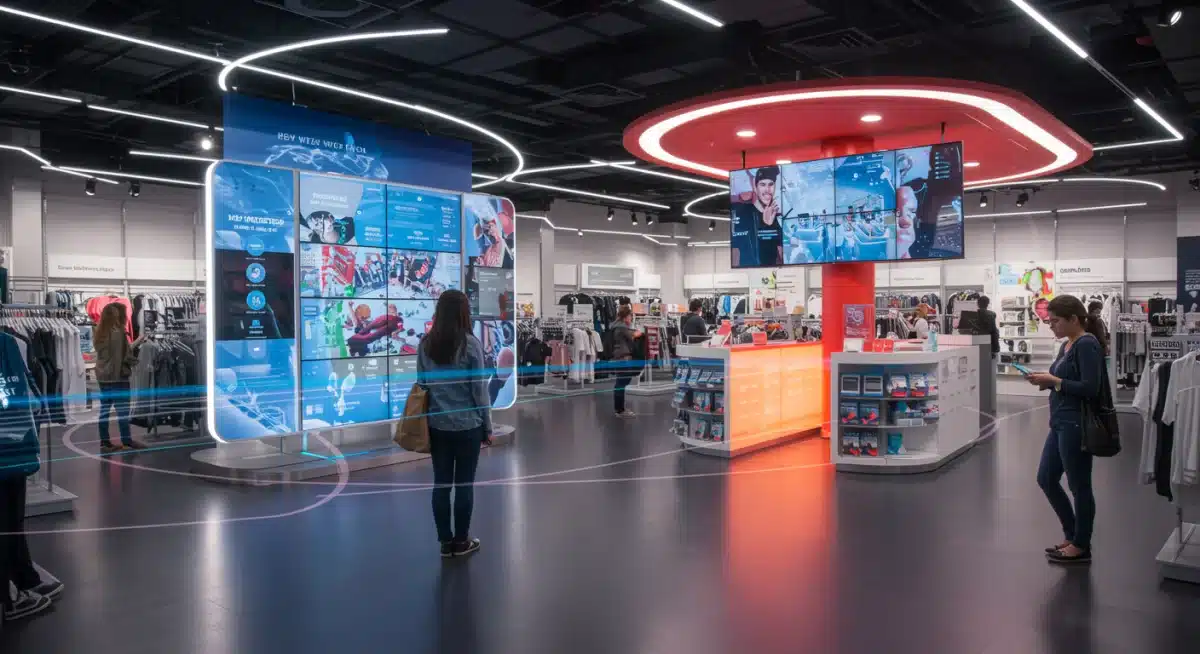
Predictive analytics is poised to enable US retailers to achieve a 30% reduction in overstock by 2025 by leveraging advanced algorithms and historical data to accurately forecast demand and optimize inventory levels.
In the dynamic landscape of modern retail, managing inventory efficiently is more critical than ever. The promise of predictive analytics retail is not just theoretical; it represents a tangible pathway for US retailers to achieve a remarkable 30% reduction in overstock by 2025. This isn’t merely about cutting costs; it’s about transforming operational efficiency, enhancing customer satisfaction, and unlocking new avenues for growth in an increasingly competitive market.
The overstock challenge for US retailers
Overstock represents a significant drain on profitability for retailers across the United States. It ties up capital, incurs storage costs, leads to markdowns, and can even damage brand perception. Understanding the multifaceted nature of this challenge is the first step toward implementing effective solutions.
The complexity of demand forecasting, coupled with rapid shifts in consumer behavior, economic volatility, and supply chain disruptions, creates an environment where traditional inventory management methods often fall short. Retailers frequently find themselves in a reactive stance, trying to offload excess inventory rather than proactively preventing its accumulation.
Hidden costs of excess inventory
Many retailers underestimate the full financial impact of carrying too much stock. Beyond the obvious storage fees and potential for obsolescence, there are less apparent costs that erode profit margins.
- Capital tie-up: Funds invested in unsold inventory cannot be used for other growth opportunities or operational needs.
- Depreciation and obsolescence: Products lose value over time, especially in fast-moving industries like fashion or electronics, leading to significant write-offs.
- Increased labor costs: Managing and moving excess inventory requires additional staff time and effort, from warehousing to eventual liquidation.
- Environmental impact: Disposing of unsold goods contributes to waste and can negatively affect a company’s sustainability image.
Addressing these challenges requires a paradigm shift from reactive adjustments to proactive, data-driven strategies. This is where the power of predictive analytics comes into play, offering a sophisticated approach to unraveling the complexities of demand and supply.
Understanding predictive analytics in retail
Predictive analytics leverages historical data, statistical algorithms, and machine learning techniques to identify the likelihood of future outcomes based on past patterns. In the retail sector, this translates into a powerful tool for anticipating consumer demand with unprecedented accuracy. It moves beyond simple trend analysis, delving into the nuanced factors that influence purchasing decisions.
By analyzing vast datasets, predictive models can discern subtle correlations and causal relationships that human analysts might miss. This allows retailers to shift from educated guesses to data-backed predictions, fundamentally changing how they approach inventory, pricing, and marketing strategies.
Key components of predictive models
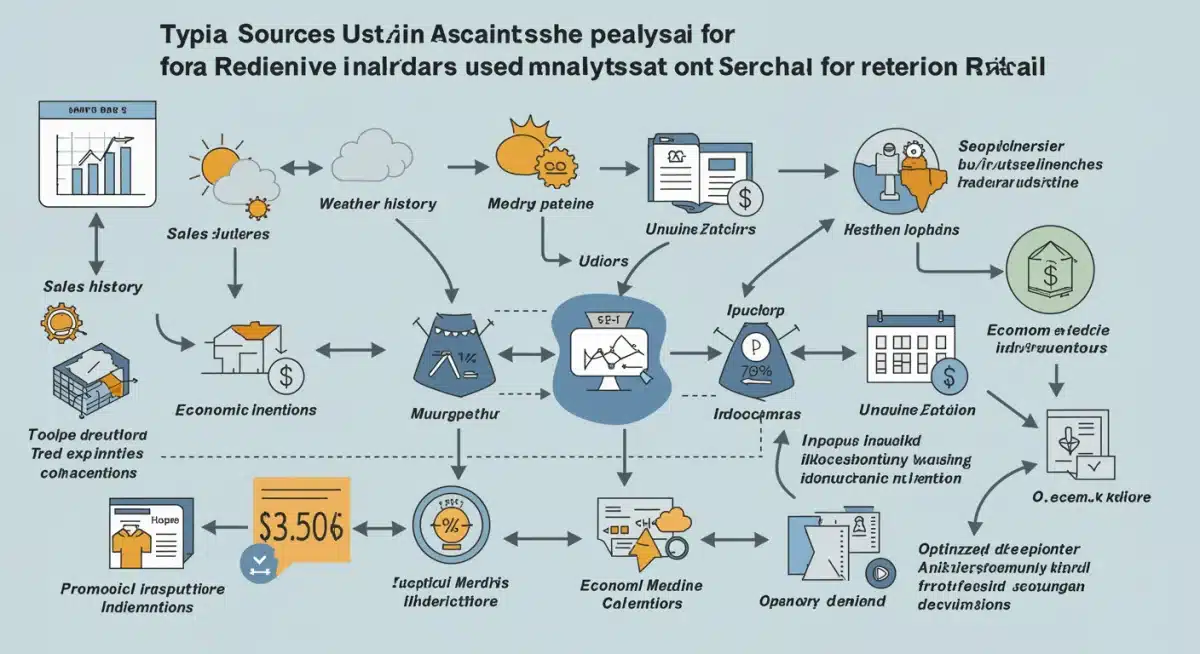
Successful predictive analytics models for retail demand forecasting rely on several core components working in synergy. These elements provide the foundation for generating accurate and actionable insights.
- Historical sales data: The backbone of any forecasting model, providing a record of past purchasing patterns, seasonality, and promotional impacts.
- External factors: Incorporating data such as weather patterns, economic indicators (e.g., GDP, unemployment rates), local events, and competitor activities.
- Customer behavior data: Analyzing website traffic, click-through rates, social media engagement, and customer demographics to understand preferences.
- Supply chain data: Information on lead times, supplier performance, and transportation logistics to ensure predictions are actionable within operational constraints.
The integration of these diverse data sources creates a holistic view that enhances the predictive power of the models. The more comprehensive and clean the data, the more reliable the forecasts become, directly impacting a retailer’s ability to reduce overstock and avoid stockouts.
How predictive analytics reduces overstock by 30%
The ambitious goal of reducing overstock by 30% is achievable through the strategic application of predictive analytics. This technology provides the granular insights needed to fine-tune inventory levels, ensuring that products are available when and where customers want them, without incurring the costs of excess.
By forecasting demand with greater precision, retailers can place more accurate orders with suppliers, optimize warehouse space, and minimize the need for aggressive markdowns. This translates directly into improved cash flow and enhanced profitability, creating a leaner, more agile retail operation.
Optimized inventory planning
Predictive analytics transforms inventory planning from a reactive process into a proactive strategy. It allows retailers to move beyond basic reorder points, considering a multitude of variables that influence real-time demand.
Advanced algorithms can identify seasonal peaks and troughs, predict the impact of promotions, and even anticipate demand for new products based on similar item launches. This level of foresight enables retailers to stock the right quantities of goods, reducing both overstock and potential lost sales due to stockouts.
Furthermore, predictive models can differentiate between products with stable demand and those with volatile patterns, allowing for tailored inventory strategies. This nuanced approach prevents the costly practice of blanket ordering, which often leads to significant overstock in certain categories.
Implementing predictive analytics: key considerations
Adopting predictive analytics is not merely about purchasing software; it involves a strategic shift in how a retail business operates. Successful implementation requires careful planning, robust data infrastructure, and a commitment to continuous improvement. Retailers must consider several key factors to maximize their return on investment and achieve their overstock reduction targets.
A phased approach, starting with pilot programs and gradually scaling up, can help mitigate risks and ensure that the technology integrates seamlessly with existing workflows. Training staff and fostering a data-driven culture are also crucial for long-term success.
Data quality and integration
The accuracy of predictive models is directly proportional to the quality and breadth of the data fed into them. Dirty, incomplete, or inconsistent data will inevitably lead to flawed forecasts.
- Data cleansing: Establishing processes to identify and correct errors, duplicates, and inconsistencies in historical data.
- Data standardization: Ensuring data from various sources (POS systems, e-commerce platforms, ERPs) is formatted uniformly for seamless integration.
- Real-time data feeds: Implementing systems that can ingest and process data as it becomes available, allowing for dynamic adjustments to forecasts.
- Data governance: Defining clear policies and procedures for data collection, storage, and usage to maintain integrity and compliance.
Investing in data infrastructure and data science expertise is paramount. Retailers may need to upgrade their existing systems or partner with specialized vendors to ensure they have the capabilities to handle the volume and velocity of data required for effective predictive analytics.
Case studies and success stories in retail
While the concept of predictive analytics might seem advanced, numerous US retailers are already reaping significant benefits. These real-world examples highlight how strategic implementation can lead to tangible improvements in inventory management and profitability. The stories of early adopters provide valuable insights and a roadmap for others looking to embark on this transformative journey.
From large national chains to specialized niche retailers, the principles remain consistent: leveraging data to make smarter, more proactive decisions. These successes demonstrate that a 30% reduction in overstock is not just an aspiration but an achievable goal with the right technological approach and organizational commitment.
Leading retailers reducing overstock
Several prominent retailers have successfully integrated predictive analytics into their operations, showcasing impressive results.
A major apparel retailer, for instance, used predictive models to analyze fashion trends, social media sentiment, and regional weather patterns. This allowed them to fine-tune their seasonal orders, resulting in a 25% reduction in end-of-season markdowns and a significant decrease in unsold inventory. They were able to respond more quickly to shifting consumer preferences, reducing both risk and waste.
Similarly, a leading grocery chain implemented predictive analytics to forecast demand for perishable goods. By considering factors like local events, holidays, and even unexpected weather advisories, they managed to reduce waste from expired products by over 30% while simultaneously ensuring shelves remained stocked with fresh items, improving customer satisfaction and reducing food waste.
These examples underscore the versatility of predictive analytics across different retail segments and product categories. The underlying principle is always the same: using data to gain a clearer picture of future demand, enabling more precise and profitable inventory decisions.
Challenges and future outlook for 2025
While the benefits of predictive analytics are clear, the path to achieving a 30% overstock reduction by 2025 is not without its challenges. Retailers must navigate complexities ranging from technological integration to organizational change management. However, the future outlook remains overwhelmingly positive, with continuous advancements in AI and data science promising even greater capabilities.
The competitive pressure in the US retail market will only intensify, making the adoption of such advanced technologies a matter of survival and growth. Those who embrace these tools proactively will be best positioned to thrive in the evolving retail landscape.
Overcoming implementation hurdles
Several common challenges can hinder the successful implementation of predictive analytics:
- Data silos: Disparate data systems across different departments can make comprehensive data integration difficult.
- Skill gap: A shortage of data scientists and analysts who can build, manage, and interpret complex predictive models.
- Resistance to change: Employees accustomed to traditional methods may resist new data-driven processes.
- Model complexity: Ensuring models are interpretable and actionable for business users, not just data scientists.
Addressing these challenges requires a multi-pronged approach, including investing in robust data integration platforms, upskilling existing staff or hiring new talent, fostering a culture of continuous learning, and choosing predictive analytics solutions that offer user-friendly interfaces and clear reporting.
Looking ahead to 2025, the evolution of predictive analytics will likely see greater integration with real-time IoT data from stores, more sophisticated AI-driven forecasting engines that adapt autonomously, and enhanced personalization capabilities that fine-tune demand predictions down to individual customer segments. The goal of a 30% overstock reduction is not just a target; it’s a stepping stone toward a truly optimized and customer-centric retail future.
| Key Aspect | Brief Description |
|---|---|
| Overstock Challenge | Excess inventory leads to capital tie-up, storage costs, markdowns, and waste for US retailers. |
| Predictive Analytics Role | Uses data and AI to forecast demand accurately, enabling proactive inventory management. |
| 30% Reduction Goal | Achievable target for US retailers by 2025 through optimized planning and reduced waste. |
| Implementation Keys | Requires high-quality data, skilled personnel, and overcoming resistance to change. |
Frequently asked questions about predictive analytics and overstock
▼
Predictive analytics in retail involves using historical data, statistical algorithms, and machine learning to forecast future demand, consumer behavior, and market trends. It helps retailers make informed decisions about inventory levels, pricing, and promotions to optimize operations and profitability.
▼
By accurately forecasting demand, predictive analytics allows retailers to order precise quantities of products, avoiding excess inventory. It considers various factors like seasonality, promotions, and external events, reducing the need for costly markdowns and storage of unsold goods.
▼
Key data sources include historical sales records, customer transaction data, website analytics, social media trends, weather patterns, economic indicators, and supply chain logistics. Integrating these diverse datasets provides a comprehensive view for more accurate predictions.
▼
Common challenges include poor data quality, fragmented data silos, a shortage of skilled data scientists, and resistance to new technologies among staff. Overcoming these requires significant investment in data infrastructure, training, and change management strategies.
▼
Beyond reducing overstock, retailers can expect improved cash flow, enhanced customer satisfaction through better product availability, optimized pricing strategies, reduced waste, and increased operational efficiency. It fosters a more agile and responsive retail environment, boosting overall competitiveness.
Conclusion
The journey towards a 30% reduction in overstock for US retailers by 2025, driven by predictive analytics, is a testament to the transformative power of data-driven decision-making. This technology is not merely a trend but a fundamental shift in retail operations, enabling businesses to move from reactive responses to proactive strategies. By embracing robust data quality, advanced analytical models, and a culture of continuous improvement, retailers can unlock significant efficiencies, enhance profitability, and deliver superior customer experiences in an increasingly complex market. The future of retail is intelligent, and predictive analytics stands at its core.