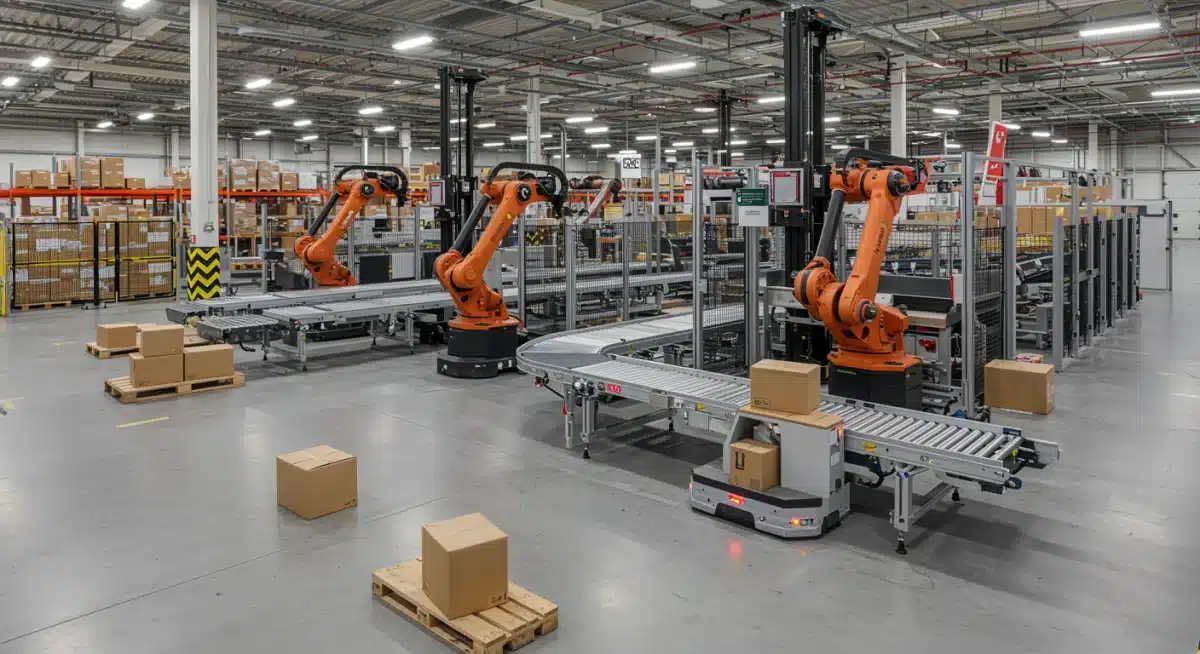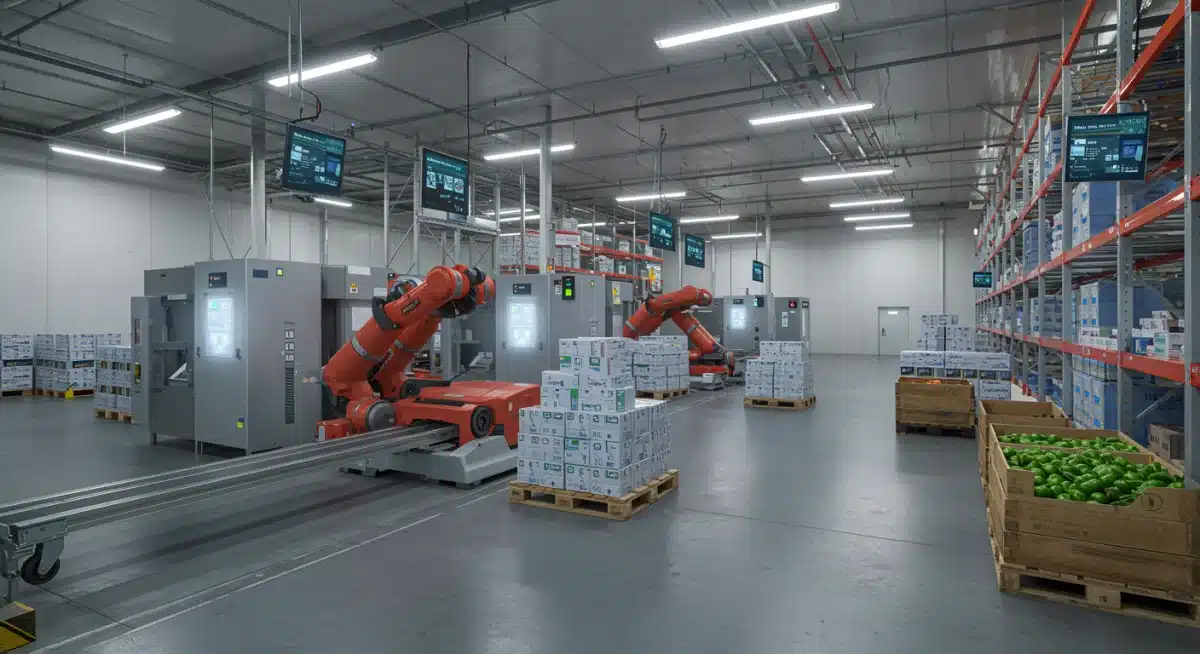
Achieving a 5% reduction in excess stock by 2025 is a critical goal for businesses navigating post-pandemic supply chain complexities, requiring advanced strategies in forecasting, technology adoption, and collaborative planning.
The landscape of global commerce has irrevocably shifted, making effective post-pandemic inventory management a cornerstone for business resilience. Companies are now tasked with not just recovering, but thriving, by strategically reducing excess stock and optimizing their supply chains for future disruptions.
Understanding the Post-Pandemic Inventory Landscape
The COVID-19 pandemic exposed profound vulnerabilities in global supply chains, leading to unprecedented swings in demand and supply. Businesses found themselves grappling with either severe stockouts or massive overstock, creating a volatile environment. Understanding these shifts is the first step toward effective inventory management in the new normal.
Many companies initially reacted to supply chain disruptions by stockpiling, leading to inflated inventory levels. While this provided a buffer against immediate shortages, it also tied up significant capital, increased carrying costs, and heightened the risk of obsolescence. The challenge now lies in unwinding these excess inventories without disrupting customer service or future operations.
The Shift from Lean to Resilient
Before the pandemic, lean inventory strategies were widely adopted, focusing on minimizing stock to reduce costs. However, the pandemic highlighted that extreme leanness can also mean extreme fragility. The shift is now towards building resilient supply chains that can absorb shocks while maintaining efficiency.
- Risk Mitigation: Prioritizing strategies that reduce exposure to single points of failure.
- Flexibility: Implementing systems that can quickly adapt to demand fluctuations and supply interruptions.
- Visibility: Enhancing real-time data access across the entire supply chain to enable proactive decision-making.
This paradigm shift underscores the need for a balanced approach: maintaining enough stock to ensure continuity, but not so much that it becomes a financial burden. The goal of a 5% reduction in excess stock by 2025 is an ambitious yet achievable target that reflects this new strategic imperative.
Leveraging Advanced Analytics and AI for Forecasting
Accurate demand forecasting is paramount in achieving inventory reduction goals. Traditional forecasting methods often proved inadequate during the pandemic’s unpredictable market conditions. Advanced analytics and artificial intelligence (AI) offer sophisticated tools to navigate this complexity, providing deeper insights and more precise predictions.
AI-powered forecasting models can process vast amounts of data, including historical sales, promotional activities, economic indicators, social media trends, and even weather patterns. This allows them to identify subtle patterns and correlations that human analysts might miss, leading to significantly improved accuracy.
Predictive Modeling for Demand Volatility
The post-pandemic market is characterized by continued volatility. AI models excel at predictive modeling, adapting to changing circumstances faster than static approaches. They can learn from new data in real-time, refining forecasts dynamically.
- Machine Learning Algorithms: Utilizing algorithms like neural networks and random forests to detect complex relationships in data.
- Scenario Planning: Running multiple simulations to prepare for various future demand scenarios, from optimistic to pessimistic.
- Anomaly Detection: Identifying unusual demand spikes or drops early, preventing overreactions or missed opportunities.
By integrating these advanced capabilities, businesses can move beyond reactive inventory adjustments to proactive, data-driven decisions. This precision forecasting directly contributes to reducing excess stock by ensuring that inventory levels more closely match actual demand.
Optimizing Inventory Placement and Network Design
Beyond how much inventory to hold, where to hold it is equally critical. Post-pandemic, many companies are re-evaluating their global supply chain networks to enhance resilience and efficiency. This includes strategies for inventory placement, such as regional hubs, and optimizing distribution center locations.
Decentralization, while potentially increasing costs, offers significant advantages in reducing lead times and mitigating risks associated with long-distance shipping. By strategically placing inventory closer to key markets, businesses can respond more quickly to local demand shifts and reduce reliance on a single, vulnerable global supply chain.

Furthermore, the design of the distribution network itself plays a crucial role. This involves analyzing transportation costs, warehouse capacities, and customer service requirements to create an optimal flow of goods. Tools like network optimization software can simulate different configurations to identify the most cost-effective and resilient setup.
Regionalization and Nearshoring Trends
The pandemic accelerated trends towards regionalization and nearshoring. These strategies aim to reduce dependence on distant suppliers and complex international logistics, thereby shortening supply lines and improving control over inventory flows.
- Risk Diversification: Spreading production and storage across different geographical regions.
- Reduced Lead Times: Bringing manufacturing or sourcing closer to end markets.
- Enhanced Collaboration: Facilitating stronger relationships with local suppliers and partners.
By carefully rethinking inventory placement and network design, businesses can significantly improve their responsiveness, reduce the need for large safety stocks, and ultimately contribute to the 5% reduction target for excess stock.
Implementing Robust Supplier Relationship Management (SRM)
Suppliers are integral to inventory management. Strong, collaborative relationships with suppliers are no longer just a best practice; they are a necessity for navigating ongoing supply chain complexities. Effective Supplier Relationship Management (SRM) can lead to more reliable supply, better lead times, and increased flexibility, all of which directly impact inventory levels.
Post-pandemic, businesses are moving beyond transactional relationships with suppliers to more strategic partnerships. This involves sharing demand forecasts, collaborating on product development, and jointly addressing potential disruptions. Transparency and trust are key components of successful SRM.
Collaborative Planning, Forecasting, and Replenishment (CPFR)
One powerful framework for enhancing supplier collaboration is CPFR. This involves joint business planning and information sharing between retailers and suppliers, leading to more accurate forecasts and optimized inventory levels across the entire supply chain.
- Shared Data: Exchanging point-of-sale data, inventory levels, and promotional plans.
- Joint Forecasts: Developing consensus forecasts that reduce discrepancies and improve accuracy.
- Coordinated Replenishment: Aligning ordering and delivery schedules to minimize stockouts and overstock.
By fostering deeper integration with suppliers through robust SRM and CPFR initiatives, companies can significantly reduce uncertainty in their supply chains, leading to more predictable inventory flows and a direct path to minimizing excess stock.
Adopting Circular Economy Principles and Returns Management
Excess stock isn’t just about what’s sitting in a warehouse; it also encompasses slow-moving or obsolete items and inefficient returns processes. Embracing circular economy principles and optimizing returns management can unlock significant value and contribute to the reduction of excess inventory.
Circular economy approaches focus on designing out waste and pollution, keeping products and materials in use, and regenerating natural systems. In the context of inventory, this means finding ways to extend the life of products, remanufacture components, or effectively recycle materials, rather than simply discarding excess items.
Efficient Reverse Logistics and Remarketing
Returns are an unavoidable part of retail, but inefficient reverse logistics can quickly turn returned items into excess stock. Developing streamlined processes for inspecting, refurbishing, and remarketing returned goods is crucial.
- Automated Sorting: Using technology to quickly categorize returned items for resale, repair, or recycling.
- Refurbishment Programs: Establishing processes to bring returned or damaged products back to saleable condition.
- Secondary Markets: Exploring channels for selling excess or refurbished inventory, such as outlet stores or online marketplaces.
By integrating circular economy thinking and optimizing returns, businesses can transform potential waste into valuable assets, reducing the volume of true excess stock and improving overall sustainability metrics. This proactive approach helps achieve the 5% reduction goal by addressing inventory from multiple angles.
Implementing Technology for End-to-End Visibility
Lack of visibility across the supply chain was a major pain point during the pandemic. To effectively manage inventory and reduce excess stock, businesses need real-time, end-to-end visibility from raw material sourcing to final customer delivery. Technology is the key enabler for this crucial capability.
Supply chain visibility platforms integrate data from various sources – suppliers, manufacturers, logistics providers, and retailers – into a single, cohesive view. This comprehensive perspective allows for proactive identification of potential disruptions, accurate tracking of goods in transit, and better coordination across all stakeholders.
Digital Twins and Control Towers
Advanced technologies like digital twins and supply chain control towers are transforming visibility. Digital twins create virtual replicas of the physical supply chain, allowing for simulations and predictive analysis. Control towers provide a centralized hub for monitoring, analyzing, and managing supply chain operations in real-time.
- Real-time Tracking: Monitoring inventory movement and status at every stage of the supply chain.
- Predictive Alerts: Receiving notifications about potential delays or stockouts before they occur.
- Integrated Data: Consolidating information from ERP, WMS, TMS, and other systems for a holistic view.
Investing in these technologies is not merely about tracking; it’s about gaining actionable intelligence. Enhanced visibility empowers businesses to make faster, more informed decisions, leading to optimized inventory levels and a significant reduction in excess stock, directly supporting the 2025 target.
| Key Strategy | Brief Description |
|---|---|
| Advanced Forecasting | Utilizing AI and machine learning for more accurate demand predictions, reducing guesswork. |
| Network Optimization | Strategic placement of inventory and redesign of distribution networks for resilience. |
| Supplier Collaboration | Building strong, transparent relationships with suppliers to enhance reliability and flexibility. |
| End-to-End Visibility | Implementing technology for real-time tracking and comprehensive data integration across the supply chain. |
Frequently Asked Questions About Inventory Reduction
Reducing excess stock is vital post-pandemic to free up capital, lower carrying costs, mitigate obsolescence risks, and improve cash flow. The pandemic exposed vulnerabilities, making efficient inventory management essential for financial stability and operational agility in unpredictable markets.
AI improves forecasting by analyzing vast datasets, including historical sales, market trends, and external factors, to identify complex patterns. This leads to more accurate demand predictions, reduces human error, and enables dynamic adjustments to forecasts in response to real-time market changes, minimizing excess stock.
Supplier collaboration, especially through frameworks like CPFR, enhances inventory reduction by fostering shared data and joint planning. This transparency leads to more reliable supply, optimized order quantities, and reduced lead times, preventing both stockouts and overstock scenarios across the supply chain.
Circular economy principles in inventory management focus on minimizing waste and maximizing product utility. This involves strategies like remanufacturing, refurbishment, and effective recycling of materials, as well as optimizing reverse logistics for returns. It transforms potential waste into valuable resources, reducing overall excess stock.
End-to-end visibility provides real-time insights into inventory movement and status across the entire supply chain. This comprehensive view allows businesses to identify inefficiencies, anticipate disruptions, and make data-driven decisions faster, leading to optimized stock levels and a direct contribution to reducing excess inventory.
Conclusion
The journey towards achieving a 5% reduction in excess stock by 2025 is not merely a cost-cutting exercise; it is a strategic imperative for building resilient and efficient supply chains in the post-pandemic era. By embracing advanced analytics, optimizing network design, fostering strong supplier relationships, adopting circular economy principles, and leveraging end-to-end visibility technologies, businesses can transform their inventory management from a reactive challenge into a proactive competitive advantage. The future of retail and supply chain success hinges on this adaptability and commitment to continuous optimization.