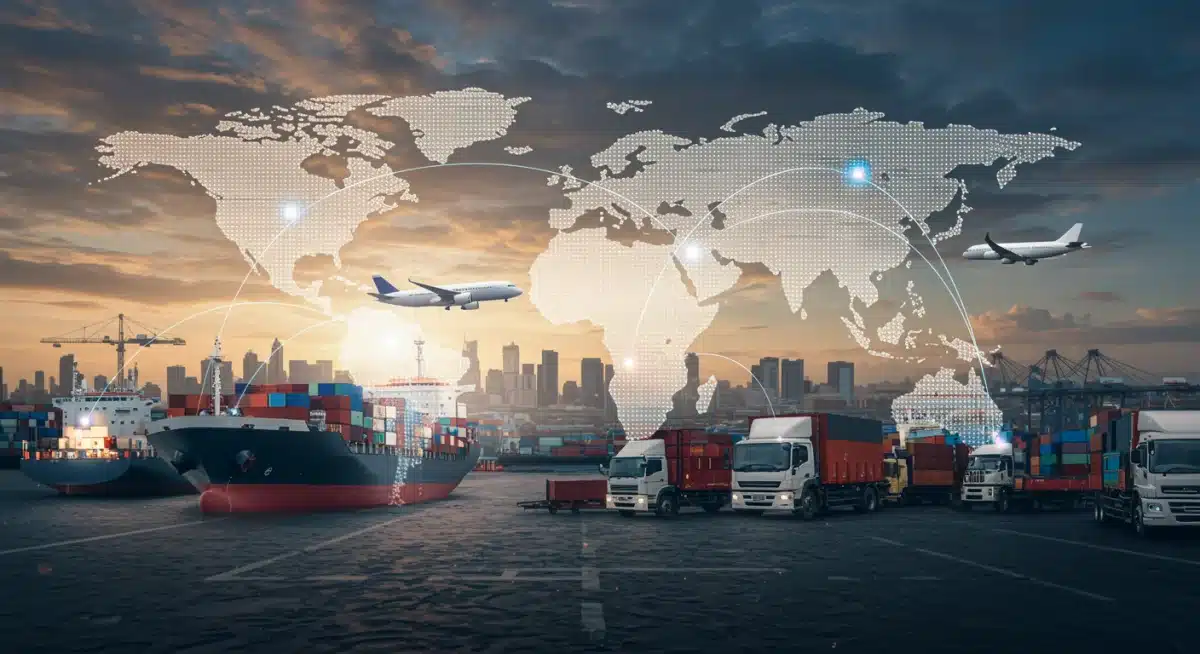
The port congestion impact on US retailers presents a complex challenge, characterized by prolonged shipping delays, escalating logistics costs, and significant inventory management hurdles, necessitating adaptive strategies for resilience over the next three months.
The global supply chain has faced unprecedented strains in recent years, and the current resurgence of port congestion impact on US retailers is once again a focal point. This phenomenon, marked by bottlenecks at major shipping hubs, directly affects how goods move from manufacturers to store shelves. Understanding the immediate three-month outlook is crucial for retailers to navigate these turbulent waters and maintain operational stability.
Understanding the Current State of Port Congestion
The current state of port congestion is a multifaceted issue, driven by a confluence of factors ranging from geopolitical events to shifts in consumer demand patterns. While the peaks of the pandemic-era congestion seemed to subside, new pressures have emerged, creating fresh challenges for the global logistics network.
Several key indicators suggest a renewed tightening of port capacity. Major US ports, particularly on the East and West Coasts, are reporting increased dwell times for vessels and containers. This isn’t just a matter of more ships arriving; it’s also about the efficiency of unloading, processing, and distributing cargo once it reaches the dock. Labor shortages, equipment downtime, and inland transportation issues all contribute to the slowdown.
Key Drivers of Renewed Congestion
The factors contributing to the current congestion are complex and interconnected, making simple solutions elusive. These drivers often create a domino effect throughout the supply chain, amplifying delays and costs.
- Geopolitical Instability: Conflicts and trade disputes can reroute shipping lanes, leading to unexpected surges in traffic at alternative ports.
- Labor Shortages: A persistent shortage of dockworkers, truck drivers, and warehouse personnel continues to hamper the efficient movement of goods.
- Infrastructure Limitations: Many port facilities are operating at or beyond their designed capacity, struggling to keep pace with modern shipping volumes.
- Consumer Demand Volatility: Unpredictable shifts in consumer spending can lead to sudden spikes in import volumes, overwhelming port systems.
The current environment is not merely a repeat of past congestion events; it carries unique characteristics that demand a tailored response from retailers. Recognizing these underlying drivers is the first step toward developing effective mitigation strategies.
Direct Financial Implications for US Retailers
The financial ramifications of port congestion for US retailers are profound, extending far beyond simple shipping delays. These disruptions translate directly into increased operational costs, reduced profit margins, and potential revenue losses. Retailers must meticulously track these costs to understand the true economic burden.
One of the most immediate financial impacts is the surge in shipping rates. As demand for vessel space and container availability outstrips supply, carriers impose higher freight charges, surcharges, and detention fees. These costs are often passed down the supply chain, ultimately impacting the retailer’s bottom line.
Rising Operational Costs
Beyond freight, other operational costs escalate significantly. Delays mean longer periods of goods in transit, tying up capital and increasing insurance expenses. The need for expedited shipping when delays become critical also adds substantial premiums.
- Increased Freight Costs: Spot rates for ocean freight can skyrocket, sometimes by several multiples of pre-congestion levels.
- Demurrage and Detention Fees: Charges levied by carriers and terminals for containers held beyond free time, often accumulating rapidly.
- Warehousing and Storage Costs: As goods accumulate at ports or distribution centers due to bottlenecks, storage costs increase.
- Expedited Shipping Premiums: The necessity to air freight or use other premium services to meet deadlines becomes a costly last resort.
These financial pressures are not uniform; smaller retailers with less leverage to negotiate rates or secure priority shipping often bear a disproportionately higher burden. The ability to absorb these costs or pass them on to consumers without impacting demand becomes a critical challenge.
Impact on Inventory Management and Stock Levels
Effective inventory management is the backbone of retail operations, and port congestion severely undermines its stability. Retailers face a delicate balancing act: avoiding stockouts that disappoint customers while simultaneously preventing overstocking that ties up capital and incurs storage costs. The current climate makes this balance exceptionally difficult.
Unpredictable arrival times mean that just-in-time inventory strategies become untenable. Retailers are forced to consider holding larger safety stocks, which requires more warehouse space and increases carrying costs. Conversely, unexpected delays can lead to empty shelves, lost sales, and damaged brand reputation.
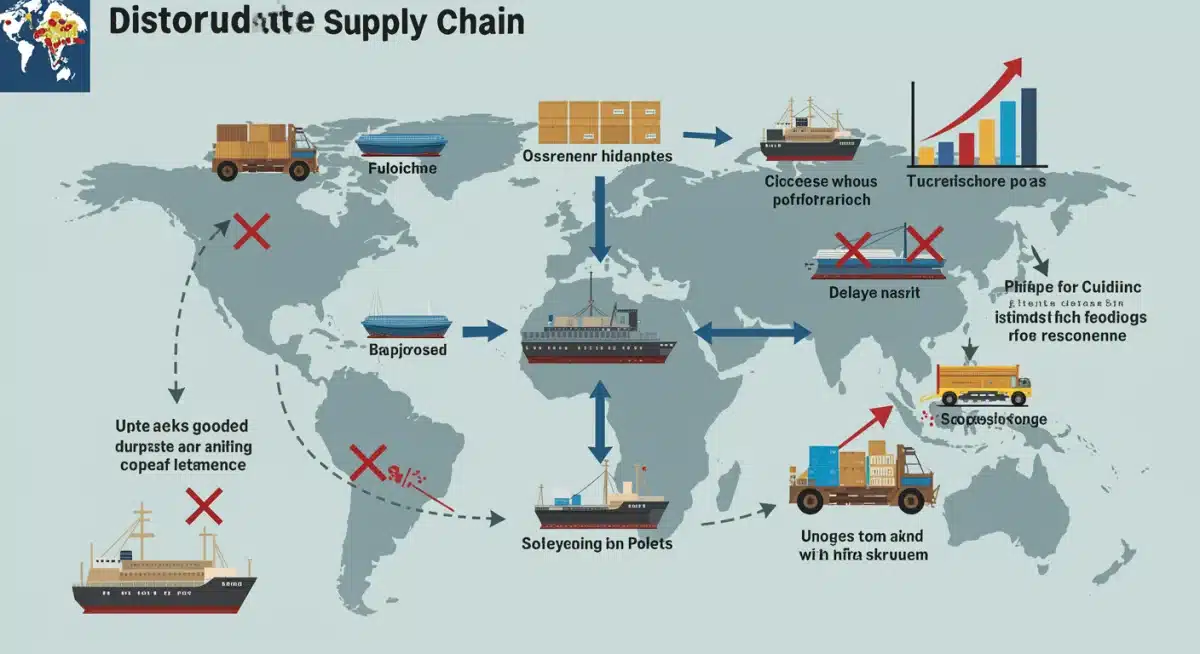
Challenges in Forecasting and Planning
Forecasting demand and planning inventory levels become significantly more complex when lead times are erratic. Traditional models struggle to account for the unpredictable nature of port delays, leading to inefficiencies.
- Inaccurate Lead Times: Suppliers cannot reliably predict when goods will arrive, making replenishment planning difficult.
- Increased Safety Stock Needs: Retailers are compelled to order more inventory to buffer against delays, raising capital expenditure.
- Risk of Obsolescence: For seasonal or trend-driven products, delays can mean goods arrive after peak demand, leading to markdowns.
- Stockout Situations: The most visible impact, leading to lost sales and customer dissatisfaction.
The strategic response often involves diversifying sourcing, building stronger relationships with logistics providers, and investing in advanced inventory management software that can adapt to dynamic supply chain conditions. The goal is to build resilience into the system rather than relying on historical patterns.
Consumer Behavior and Market Shifts
The ripple effect of port congestion extends directly to consumer behavior and broader market dynamics. When retailers struggle to maintain consistent stock levels, consumers notice. This can lead to shifts in purchasing habits, brand loyalty, and overall market expectations. The three-month outlook suggests these shifts will continue to evolve.
Initially, consumers might tolerate minor delays or product unavailability, but prolonged issues can erode patience. They may seek alternative brands, switch to competitors, or even reduce their overall spending on certain categories. This directly impacts sales volumes and market share for affected retailers.
Evolving Consumer Expectations
Modern consumers have grown accustomed to rapid delivery and readily available products. Supply chain disruptions challenge these expectations, forcing retailers to communicate transparently and manage consumer sentiment effectively.
- Brand Switching: Consumers may opt for readily available alternatives if their preferred products are out of stock.
- Reduced Brand Loyalty: Repeated disappointments can diminish long-term loyalty to specific brands or retailers.
- Price Sensitivity: If retailers pass on increased costs, consumers may become more price-sensitive, seeking cheaper options or delaying purchases.
- Shift to Local Sourcing: A growing preference for locally produced goods can emerge as a hedge against global supply chain volatility.
Retailers must adapt their marketing and customer service strategies to address these evolving behaviors. Clear communication about potential delays, offering comparable alternatives, and investing in customer loyalty programs can help mitigate negative impacts. The market is becoming increasingly competitive, and customer experience remains paramount.
Mitigation Strategies for US Retailers
Given the persistent challenges posed by port congestion, US retailers must adopt proactive and adaptive mitigation strategies. A multi-pronged approach focusing on diversification, technology, and collaboration is essential to build resilience and minimize adverse impacts over the next three months and beyond.
No single solution will completely eliminate the risks, but a combination of tactical adjustments and strategic investments can significantly improve a retailer’s ability to navigate disruptions. This involves re-evaluating existing supply chain models and exploring innovative solutions.
Key Strategic Adjustments
Retailers are increasingly looking at long-term changes to their supply chain architecture, moving away from purely cost-driven decisions to embrace resilience and redundancy.
- Diversified Sourcing: Reducing reliance on a single geographic region or supplier to spread risk.
- Nearshoring/Onshoring: Bringing production closer to home to shorten lead times and reduce reliance on ocean freight.
- Enhanced Data Analytics: Utilizing predictive analytics to better forecast demand, track shipments, and identify potential bottlenecks early.
- Stronger Supplier Relationships: Collaborating closely with suppliers and logistics partners to gain priority or better visibility.
- Flexible Distribution Networks: Investing in multiple distribution centers and micro-fulfillment centers to adapt to regional demand and port access.
Implementing these strategies requires significant investment and a shift in mindset, but the long-term benefits in terms of stability and competitive advantage often outweigh the initial costs. Retailers who adapt quickly will be better positioned to thrive in a volatile environment.
The 3-Month Outlook: What to Expect
Looking ahead over the next three months, the landscape for US retailers concerning port congestion remains challenging but with some potential for localized improvements. Experts predict continued volatility, but also an increased focus on strategic adjustments that could alleviate some pressures.
While a complete return to pre-pandemic shipping fluidity is unlikely within this short timeframe, there’s an expectation that some of the more acute bottlenecks might ease in specific regions as ports and logistics providers implement their own efficiency measures. However, new disruptions, such as labor disputes or unforeseen weather events, could quickly reverse any gains.
Key Projections for the Near Future
Retailers should prepare for a dynamic environment, characterized by both ongoing challenges and opportunities for adaptation. Agile planning will be paramount.
- Continued Elevated Freight Costs: While perhaps not reaching previous peaks, shipping rates are expected to remain higher than historical averages.
- Persistent Inventory Volatility: Retailers will still contend with the risk of both stockouts and overstocking, requiring vigilant management.
- Increased Investment in Technology: More retailers will adopt AI and machine learning for demand forecasting and supply chain visibility.
- Emphasis on Diversification: The push for diversified sourcing and localized production will gain further momentum.
- Potential for Labor-Related Disruptions: Ongoing negotiations and potential strikes at ports or within the transportation sector could pose new threats.
The next three months will be a test of resilience and adaptability for US retailers. Those who have invested in robust supply chain planning, diversified their sourcing, and embraced technological solutions will be better equipped to navigate the ongoing complexities and emerge stronger.
| Key Impact Area | 3-Month Outlook Summary |
|---|---|
| Shipping Costs | Expected to remain elevated with potential for further surcharges. |
| Inventory Levels | Continued volatility requiring increased safety stock and agile management. |
| Consumer Behavior | Increased price sensitivity and willingness to switch brands due to stockouts. |
| Mitigation Focus | Diversification, technology adoption, and stronger supplier partnerships. |
Frequently Asked Questions About Port Congestion
Primary causes include a combination of heightened consumer demand, labor shortages at ports and in trucking, infrastructure limitations, and geopolitical events that disrupt shipping routes and schedules. These factors collectively overwhelm port capacity.
Small to medium-sized retailers are often hit harder as they typically lack the purchasing power to negotiate favorable shipping rates or secure priority space on vessels. This leads to higher costs, longer delays, and greater vulnerability to stockouts compared to larger corporations.
Retailers can mitigate financial impact by diversifying their supply chains, exploring nearshoring or reshoring options, investing in advanced inventory management systems, and strengthening relationships with multiple logistics partners to gain better visibility and flexibility.
Significant easing is unlikely across all major US ports within three months. While some localized improvements might occur due to operational adjustments, the underlying systemic issues and potential new disruptions mean retailers should prepare for continued volatility and elevated costs.
Port congestion can lead to higher consumer prices as retailers pass on increased shipping and operational costs. It also directly impacts product availability, causing stockouts, reduced variety, and longer waiting times for popular items, influencing purchasing decisions.
Conclusion
The persistent challenge of port congestion continues to exert a significant and complex influence on US retailers. The three-month outlook suggests a landscape of ongoing volatility, characterized by elevated costs, inventory management complexities, and evolving consumer behaviors. Retailers must remain agile, proactively implementing diversified sourcing, leveraging advanced technology for better visibility, and fostering strong partnerships across their supply chains. Those who adapt swiftly and strategically will be best positioned to navigate these disruptions, maintain customer satisfaction, and secure their competitive edge in a dynamic retail environment.