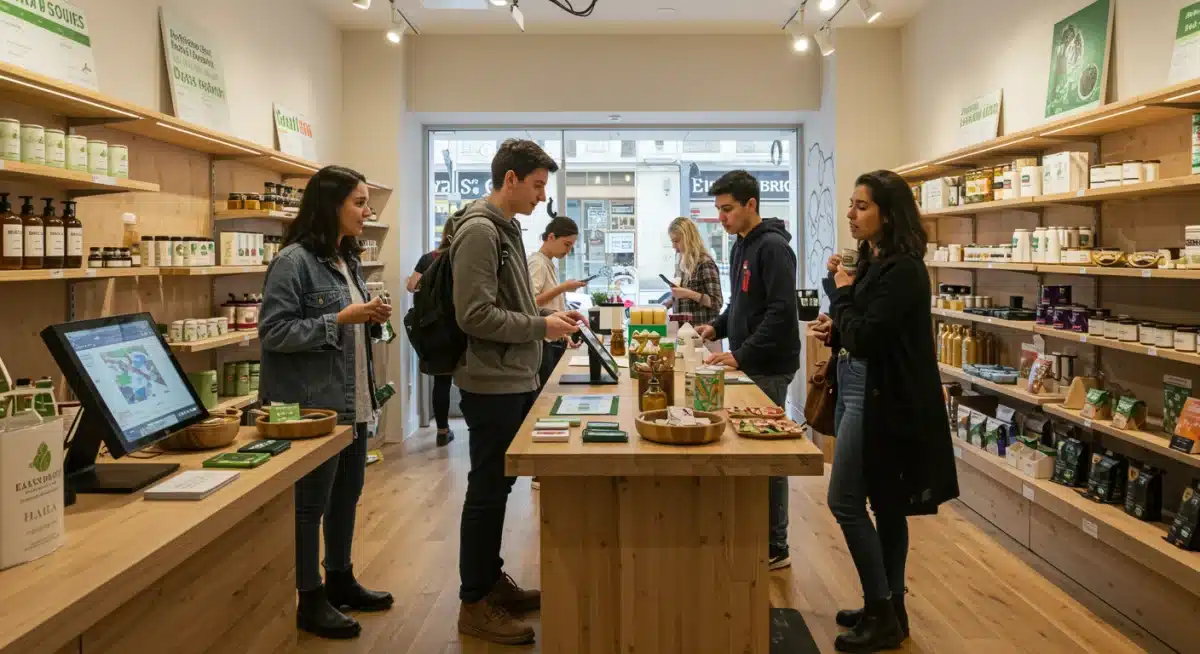
Small retailers can significantly boost their holiday sales by 25% in 2025 through strategic planning that encompasses early preparation, targeted marketing, efficient inventory management, and an exceptional customer experience.
As a small retailer, the holiday season represents an unparalleled opportunity for growth. This guide on Maximizing Holiday Sales for Small Retailers: A 2025 Planning Guide for a 25% Revenue Jump is designed to equip you with actionable strategies to not just survive, but thrive, aiming for a significant 25% increase in your revenue. Let’s delve into how thoughtful preparation can transform your next holiday season.
Starting Early: The Foundation for Holiday Success
The secret to a successful holiday sales season often lies in how early you begin your preparations. Waiting until November is a common pitfall for many small retailers, leading to rushed decisions and missed opportunities. By starting early, preferably in the summer months, you gain a significant advantage in planning, sourcing, and marketing.
Early planning allows for a more strategic approach to every aspect of your holiday operations, from product selection to staffing. It provides the breathing room necessary to innovate and adapt, rather than simply reacting to market demands. This proactive stance is crucial for small businesses looking to compete effectively with larger retailers during the busiest shopping period of the year.
Defining Your Holiday Goals
Before diving into specifics, it’s essential to clearly define what success looks like for your business during the 2025 holiday season. A 25% revenue jump is an ambitious yet achievable goal, but it requires breaking down into smaller, measurable objectives.
- Identify specific sales targets for each product category.
- Set clear metrics for customer acquisition and retention.
- Determine desired profit margins for holiday promotions.
- Outline operational efficiency goals, such as shipping times or inventory turnover.
These detailed goals will serve as your roadmap, guiding your decisions and allowing you to track progress throughout the planning and execution phases. Without clear objectives, it’s difficult to measure the effectiveness of your strategies or make necessary adjustments.
Market Research and Trend Analysis
Understanding consumer behavior and emerging trends is paramount. The holiday shopping landscape evolves rapidly, influenced by economic conditions, social media, and technological advancements. Researching what resonated with customers in previous years, and what’s projected for 2025, will inform your product assortment and marketing messages.
Look at industry reports, analyze your own past sales data, and even observe competitors. What products were best-sellers? Which marketing channels yielded the highest ROI? What new trends are gaining traction that align with your brand? This data-driven approach will help you make informed decisions, reducing risk and maximizing potential returns.
Ultimately, starting early isn’t just about getting a head start; it’s about building a robust foundation for a strategic and successful holiday sales period. It empowers small retailers to thoughtfully craft their offerings and messages, setting the stage for significant revenue growth.
Strategic Inventory Management and Product Curation
One of the most critical aspects of maximizing holiday sales for small retailers is intelligent inventory management and thoughtful product curation. The holiday season brings increased demand, and running out of popular items can lead to lost sales and customer disappointment. Conversely, overstocking ties up capital and can result in costly post-holiday markdowns.
Effective inventory planning ensures you have the right products, in the right quantities, at the right time. This requires a deep understanding of your customer base, historical sales data, and upcoming trends. It also involves establishing strong relationships with suppliers to ensure timely deliveries and flexibility.
Forecasting Demand with Precision
Accurate demand forecasting is the cornerstone of successful inventory management. Utilize your sales data from previous holiday seasons, paying close attention to peak days, popular product categories, and specific best-sellers. Consider external factors such as economic outlooks, consumer spending predictions, and any major cultural events that might influence purchasing patterns in 2025.
- Analyze year-over-year sales trends for holiday periods.
- Identify products with consistent high demand and those that fluctuate.
- Factor in potential promotional activities and their anticipated impact on sales volume.
- Consider lead times for ordering and receiving inventory from suppliers.
This detailed analysis allows you to create a realistic purchasing plan, minimizing both stockouts and excess inventory. Remember to build in a buffer for unexpected surges in demand.
Curating a Captivating Product Assortment
Beyond simply having enough stock, the products you offer must resonate with holiday shoppers. This involves curating a selection that feels fresh, exciting, and relevant. Consider introducing exclusive holiday bundles, limited-edition items, or personalized gift options that add perceived value and uniqueness.
Focus on products that align with your brand identity but also cater to holiday gifting needs. Think about giftable price points, packaging appeal, and the emotional connection customers have with holiday purchases. A well-curated collection can differentiate your small business from larger competitors and attract customers seeking unique, thoughtful gifts.
By mastering inventory management and product curation, small retailers can optimize their offerings, ensuring they meet customer demand efficiently while presenting an irresistible selection that drives significant holiday sales.
Innovative Marketing and Promotion Strategies
To achieve a 25% revenue jump, small retailers must employ innovative and highly targeted marketing and promotion strategies. The holiday season is a crowded marketplace, and standing out requires creativity, consistency, and a clear understanding of your target audience. Your marketing efforts should begin well in advance, building anticipation and guiding customers through their holiday shopping journey.
Focus on multi-channel approaches that leverage both digital and traditional methods, ensuring your message reaches potential customers where they are most receptive. Personalization and value-driven content will be key to capturing attention and fostering loyalty.
Crafting Engaging Holiday Campaigns
Develop compelling holiday campaigns that tell a story and connect with your customers on an emotional level. Beyond simple discounts, consider themed campaigns that highlight the unique aspects of your products or brand. Early bird specials, flash sales, and loyalty program incentives can drive early purchases and repeat business.
- Launch a series of social media teasers leading up to major shopping days.
- Create gift guides tailored to different customer segments (e.g., gifts for him, gifts for her, unique stocking stuffers).
- Collaborate with local influencers or complementary small businesses for cross-promotion.
- Offer exclusive perks to email subscribers, encouraging sign-ups throughout the year.
Remember that the holiday season extends beyond Black Friday and Cyber Monday; plan promotions that span from early November through to Christmas and even into the post-holiday sales period.
Leveraging Digital Marketing Channels
Digital marketing is indispensable for small businesses aiming to maximize holiday sales. Optimize your website and product listings for search engines (SEO) to ensure you appear in relevant holiday searches. Utilize paid advertising on platforms like Google and social media, targeting specific demographics and interests.

Email marketing remains one of the most effective tools for nurturing leads and driving sales. Segment your email list to send personalized recommendations and exclusive offers. Consider setting up abandoned cart reminders with a holiday-themed incentive to recover potentially lost sales.
Innovative marketing and promotion strategies are not just about shouting louder; they’re about communicating smarter. By understanding your audience and delivering value through compelling campaigns, small retailers can significantly boost their visibility and sales during the crucial holiday period.
Enhancing the Customer Experience: Online and In-Store
An exceptional customer experience is paramount for small retailers looking to achieve a 25% revenue jump during the 2025 holiday season. In a competitive market, outstanding service can be your strongest differentiator, fostering loyalty and encouraging repeat business. This applies equally to both your online and in-store interactions.
Customers are not just buying products; they are buying an experience. A seamless, enjoyable, and personalized shopping journey will leave a lasting positive impression, turning first-time holiday shoppers into long-term advocates for your brand.
Optimizing Your Online Presence
For many small retailers, the online store is the first point of contact for holiday shoppers. Ensure your e-commerce website is user-friendly, mobile-responsive, and loads quickly. High-quality product images, detailed descriptions, and transparent pricing are non-negotiable. Simplify the checkout process to minimize cart abandonment.
- Implement clear navigation and search functionalities.
- Offer multiple secure payment options, including popular digital wallets.
- Provide clear information on shipping costs, delivery times, and return policies.
- Feature customer reviews and testimonials prominently to build trust.
Consider offering local pickup or expedited shipping options, which can be significant advantages during the holiday rush. Personalize the online experience by recommending products based on browsing history or previous purchases.
Creating an Inviting In-Store Atmosphere
For brick-and-mortar stores, the physical environment plays a crucial role. Decorate your store to create a festive and welcoming ambiance. Ensure your displays are visually appealing, easy to navigate, and highlight popular holiday items or gift sets. Good lighting, pleasant music, and even seasonal scents can enhance the shopping experience.
Train your staff to be knowledgeable, friendly, and efficient. During the busy holiday season, customers appreciate quick service, helpful recommendations, and a positive attitude. Empower your employees to resolve issues promptly and go the extra mile to make a customer’s day. Offer complimentary gift wrapping or personalized notes to add a special touch.
By focusing on both the digital and physical customer journey, small retailers can create a cohesive and delightful experience that encourages purchases, builds relationships, and ultimately contributes significantly to increased holiday sales.
Leveraging Technology and Data for Smarter Decisions
In today’s retail landscape, technology and data are indispensable tools for small businesses aiming to maximize holiday sales. Moving beyond guesswork, leveraging analytics allows retailers to make informed, strategic decisions that optimize everything from inventory to marketing. This data-driven approach is critical for achieving a 25% revenue jump in 2025.
The right technological solutions can streamline operations, enhance customer interactions, and provide invaluable insights into consumer behavior. Embracing these tools doesn’t require a massive budget; many affordable and scalable options exist for small retailers.
Utilizing POS and CRM Systems
A robust Point-of-Sale (POS) system can do much more than just process transactions. It can track sales data, manage inventory in real-time, and even integrate with customer relationship management (CRM) features. This integration allows you to gather valuable customer information, such as purchase history and preferences.
- Analyze sales trends to identify top-performing products and peak shopping times.
- Track customer loyalty and segment your audience for targeted marketing.
- Streamline inventory counts and reordering processes, reducing manual errors.
- Monitor employee performance and optimize staffing schedules during busy periods.
A good CRM system helps you build stronger customer relationships by enabling personalized communication and tailored offers, which are particularly effective during the holiday season.
Embracing E-commerce Analytics
If you have an online store, e-commerce analytics platforms (like Google Analytics) are essential. These tools provide deep insights into website traffic, user behavior, conversion rates, and the effectiveness of your digital marketing campaigns. Understanding where your customers come from, what they browse, and where they drop off can inform significant improvements.
Use analytics to identify bottlenecks in your online customer journey, optimize product pages, and refine your marketing spend. A/B testing different website elements or promotional messages can yield significant improvements in conversion rates. By continuously monitoring and adapting based on data, small retailers can ensure their digital efforts are highly effective.
By strategically implementing technology and diligently analyzing data, small retailers can move beyond intuition and make smarter, more impactful decisions that drive substantial growth in holiday sales.
Building Community and Fostering Loyalty
Beyond transactional sales, building a strong community around your small business and fostering customer loyalty are powerful strategies for maximizing holiday sales, not just in 2025 but for years to come. During the holiday season, consumers often seek out businesses that offer more than just products; they look for connection, values, and a sense of belonging. Small retailers are uniquely positioned to deliver on this.
Loyal customers are your most valuable asset. They tend to spend more, shop more frequently, and become enthusiastic advocates for your brand, spreading positive word-of-mouth that can be invaluable during the competitive holiday period.
Engaging with Your Local Community
As a small business, you are often an integral part of your local community. Lean into this advantage during the holidays. Participate in local events, sponsor community initiatives, or host in-store events like holiday workshops or craft fairs. These activities not only increase your visibility but also demonstrate your commitment to the community, resonating with local shoppers.
- Partner with other local businesses for joint promotions or holiday gift baskets.
- Run a holiday charity drive, encouraging customers to donate items in exchange for a discount.
- Host a ‘meet the maker’ event if you sell local artisan products.
- Offer local delivery or curbside pickup to enhance convenience for neighborhood customers.
These engagements create memorable experiences and reinforce the idea that choosing to shop with you supports the local economy and community spirit.
Implementing a Robust Loyalty Program
A well-designed loyalty program is a highly effective way to encourage repeat purchases and build long-term relationships. Offer points for every purchase, which can be redeemed for discounts, exclusive products, or special experiences. Consider tiered programs that reward your most frequent and valuable customers with elevated perks.
During the holiday season, amplify your loyalty program by offering double points days, exclusive early access to sales, or personalized recommendations based on past purchases. Make it easy for customers to sign up and track their rewards. Communicate the benefits clearly and consistently through email, social media, and in-store signage.
By actively building community and nurturing loyalty, small retailers can transform seasonal shoppers into year-round patrons, creating a sustainable foundation for growth and ensuring a significant boost in holiday sales.
Post-Holiday Analysis and Future Planning
Achieving a 25% revenue jump during the 2025 holiday season is a significant accomplishment, but the work doesn’t stop once the last gift is unwrapped. The period immediately following the holidays is crucial for analysis, reflection, and planning for the year ahead. This post-holiday review is an invaluable opportunity to learn from both your successes and challenges, setting the stage for even greater growth in future seasons.
A thorough analysis will provide actionable insights, allowing you to refine your strategies, optimize operations, and continue building on your momentum. This continuous improvement cycle is what truly differentiates thriving small businesses.
Conducting a Comprehensive Performance Review
Gather all your sales data, marketing analytics, inventory reports, and customer feedback from the holiday season. Compare your actual performance against the goals you set in your early planning phase. Look beyond just total revenue; delve into metrics like average transaction value, conversion rates, customer acquisition costs, and profit margins per product.
- Identify which products or product categories performed best and worst.
- Analyze the effectiveness of different marketing channels and promotions.
- Evaluate your inventory accuracy and identify any stockouts or overstocked items.
- Review customer service interactions, including feedback and resolution times.
Don’t shy away from honest self-assessment. Understanding what went well and what didn’t is the first step toward improvement.
Gathering Customer and Staff Feedback
Beyond quantitative data, qualitative insights are equally important. Survey your customers about their holiday shopping experience with your business. Ask about their satisfaction with product selection, website ease of use, shipping, and customer service. This direct feedback can uncover pain points you might not have identified through data alone.
Engage with your staff, especially those on the front lines, about their experiences. They often have valuable insights into operational challenges, customer preferences, and areas where processes could be improved. Their perspective can be instrumental in streamlining operations for the next holiday season and beyond.
The post-holiday period isn’t merely a time to recover; it’s a strategic window for growth. By meticulously analyzing your performance and gathering feedback, small retailers can transform their 2025 holiday success into a blueprint for sustained prosperity.
| Key Strategy | Brief Description |
|---|---|
| Early Planning | Start holiday preparations months in advance to optimize inventory, marketing, and staffing for 2025. |
| Smart Inventory | Forecast demand accurately and curate captivating product assortments to avoid stockouts and overstocking. |
| Innovative Marketing | Implement targeted digital campaigns and engaging promotions to stand out in a crowded holiday market. |
| Customer Experience | Create seamless online and inviting in-store experiences to foster loyalty and encourage repeat business. |
Frequently Asked Questions About Holiday Sales for Small Retailers
Small retailers should ideally begin planning for the 2025 holiday season in the summer months, specifically around July or August. This allows ample time for inventory forecasting, supplier negotiations, marketing strategy development, and staff training, preventing last-minute rushes and maximizing potential revenue growth.
Key strategies include accurate demand forecasting based on historical data and market trends, establishing strong supplier relationships for timely restocking, and curating a diverse product assortment with appealing holiday bundles. Implementing a robust POS system can also provide real-time inventory tracking and insights.
Small businesses can stand out by crafting engaging, story-driven campaigns, leveraging personalized email marketing, optimizing their online presence for local SEO, and collaborating with other local businesses or influencers. Offering unique, limited-edition products or exclusive loyalty program perks also helps create distinction.
An exceptional customer experience is crucial; it fosters loyalty and encourages repeat business. This involves an intuitive online store, an inviting in-store atmosphere, knowledgeable and friendly staff, and efficient service. Personalized touches like gift wrapping or tailored recommendations significantly enhance satisfaction and drive sales.
Post-holiday analysis is vital for identifying successes and areas for improvement. It allows retailers to compare actual performance against goals, understand which strategies were effective, and gather valuable customer and staff feedback. This data-driven reflection informs future planning, ensuring continuous growth and optimized operations.
Conclusion
Maximizing Holiday Sales for Small Retailers: A 2025 Planning Guide for a 25% Revenue Jump underscores that success in the competitive holiday season is not accidental but the result of meticulous planning and strategic execution. By starting early, thoughtfully managing inventory, deploying innovative marketing, prioritizing an exceptional customer experience, and leveraging data, small retailers can confidently aim for and achieve significant revenue growth. The insights gained from each season become invaluable assets for continuous improvement, establishing a foundation for sustained prosperity well beyond the holiday rush.