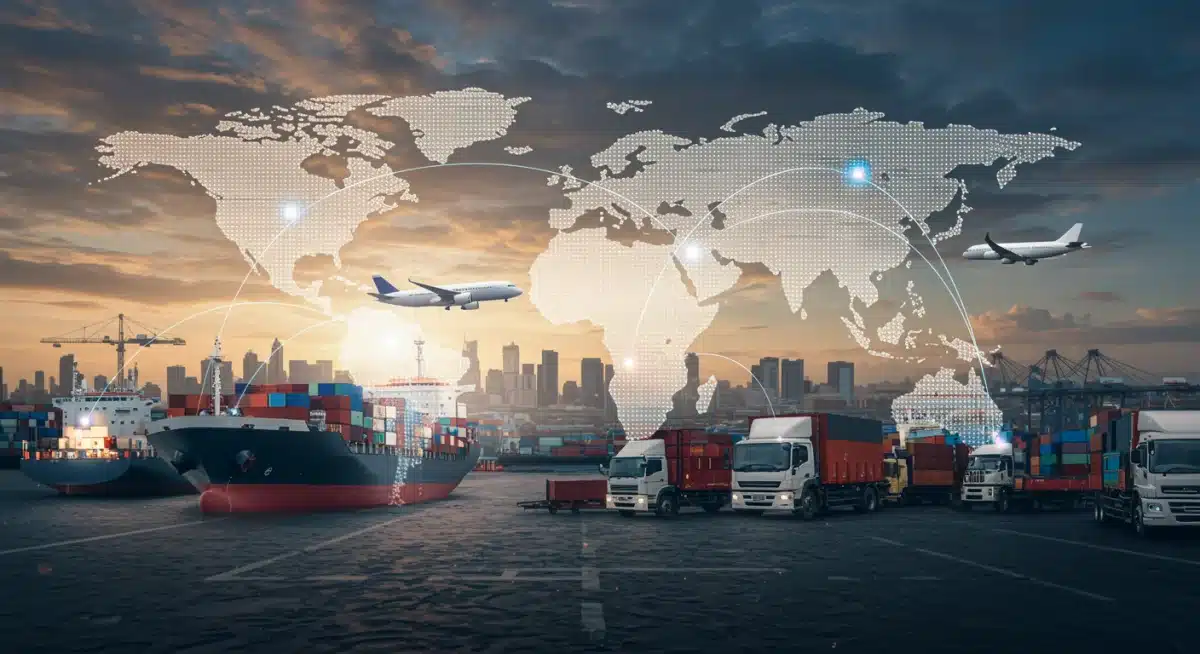
Last-mile delivery optimization is crucial for US retailers to significantly reduce operational costs, with potential savings of up to 18% this year by leveraging advanced technologies and strategic planning for efficient, customer-centric fulfillment.
In today’s fiercely competitive retail landscape, the final leg of the delivery journey, known as the last mile, presents both the greatest challenge and the most significant opportunity for cost reduction. For US retailers, mastering last-mile delivery optimization is not just about meeting customer expectations; it’s about unlocking substantial savings, potentially up to 18% this year. This critical phase, from the distribution center to the customer’s doorstep, often accounts for over half of total shipping costs. Understanding and implementing effective strategies can transform these challenges into a powerful competitive advantage.
Understanding the Last-Mile Challenge in US Retail
The last mile is inherently complex, characterized by dense urban environments, unpredictable traffic, varying delivery windows, and the ever-increasing demand for speed and convenience from consumers. For US retailers, these factors translate into higher operational costs, inefficient routing, and potential customer dissatisfaction if not managed effectively. The sheer volume of individual deliveries, each with its unique constraints, makes this segment a logistical puzzle.
Successfully navigating these complexities requires a multifaceted approach, blending technological innovation with strategic operational adjustments. Retailers must move beyond traditional delivery models and embrace solutions that offer greater agility, visibility, and cost-effectiveness. This means critically evaluating every step of the last-mile process to identify bottlenecks and areas for improvement. The goal is not merely to deliver packages but to deliver an exceptional customer experience while simultaneously safeguarding profit margins.
The High Cost of Inefficiency
Inefficiencies in last-mile delivery can quickly erode profits. These often stem from outdated routing methods, poor vehicle utilization, and a lack of real-time tracking capabilities. Each wasted mile, each delayed package, and each failed delivery attempt adds to the overall expense, making it imperative for retailers to address these issues head-on.
- Fuel Consumption: Suboptimal routes lead to increased mileage and higher fuel costs.
- Labor Expenses: Longer delivery times mean more hours for drivers, impacting wages and overtime.
- Vehicle Maintenance: Excessive wear and tear on vehicles due to inefficient routing increases maintenance costs.
- Failed Deliveries: Redelivery attempts are costly and frustrating for both retailers and customers.
Addressing these inefficiencies is the first step towards achieving significant cost reductions. By pinpointing where money is being lost, retailers can develop targeted strategies to streamline operations and enhance overall delivery performance. This foundational understanding is crucial for any successful last-mile optimization initiative, setting the stage for more advanced solutions.
Leveraging Technology for Route Optimization
Route optimization software stands as a cornerstone of modern last-mile delivery strategies, offering US retailers the ability to dramatically improve efficiency and reduce costs. These sophisticated tools utilize advanced algorithms to calculate the most efficient delivery routes, considering a myriad of variables from traffic patterns to delivery time windows. The impact on operational expenses can be profound, directly contributing to the targeted 18% cost reduction.
Beyond simply finding the shortest path, advanced route optimization accounts for factors like vehicle capacity, driver schedules, customer preferences, and even weather conditions. This comprehensive approach ensures that each delivery run is executed with maximum efficiency, minimizing fuel consumption and driver hours. For retailers, this translates into tangible savings and an enhanced ability to meet tight delivery schedules.
Dynamic Route Planning
Dynamic route planning goes a step further, allowing for real-time adjustments to delivery routes in response to unforeseen events such as sudden traffic jams, road closures, or last-minute order changes. This adaptability is critical in maintaining efficiency and customer satisfaction, preventing delays and reducing the need for costly redeliveries.
- Real-time Traffic Data: Integrates live traffic information to avoid congested areas.
- Order Flexibility: Allows for adding or removing stops mid-route without compromising efficiency.
- Driver Communication: Provides drivers with updated routes and instructions instantly.
The ability to react swiftly to changing conditions ensures that delivery operations remain fluid and cost-effective. By embracing dynamic route planning, retailers can significantly reduce unexpected expenses and improve overall service reliability, a key differentiator in today’s market.
Implementing Advanced Fleet Management Systems
Advanced fleet management systems provide US retailers with unprecedented control and visibility over their delivery vehicles and drivers, playing a pivotal role in last-mile delivery optimization. These systems integrate GPS tracking, telematics, and predictive maintenance to ensure that fleets operate at peak efficiency, directly contributing to cost savings and improved delivery performance. They offer a holistic view of operations, enabling data-driven decision-making.
From monitoring driver behavior to scheduling proactive vehicle maintenance, fleet management systems help prevent costly breakdowns and extend the lifespan of vehicles. Furthermore, by analyzing driving patterns, retailers can identify areas for fuel efficiency improvements and ensure compliance with safety regulations. This comprehensive oversight is essential for any retailer aiming to achieve substantial cost reductions in their last-mile operations.
Driver Performance Monitoring
Monitoring driver performance is not about micromanagement; it’s about fostering a culture of efficiency and safety. Fleet management systems provide data on speed, braking, acceleration, and idling times, offering valuable insights into driver behavior. This data can be used to provide targeted training, reward efficient driving, and identify areas for improvement.
- Fuel Efficiency: Identifies drivers with inefficient driving habits, allowing for corrective training.
- Safety Compliance: Monitors adherence to speed limits and other safety protocols.
- Productivity Insights: Tracks delivery times and route adherence to optimize workload.
By optimizing driver performance, retailers can reduce fuel consumption, minimize accident risks, and improve overall delivery speed and reliability. This human element, when combined with technological tools, creates a powerful synergy for last-mile efficiency and cost savings.
Optimizing Warehouse and Hub Operations
The efficiency of last-mile delivery is heavily dependent on the upstream processes within warehouses and local distribution hubs. Streamlining these operations is a critical component of last-mile delivery optimization for US retailers, ensuring that packages are sorted, loaded, and dispatched as efficiently as possible. Any delays or inefficiencies at this stage will ripple through the entire delivery chain, impacting costs and customer satisfaction.
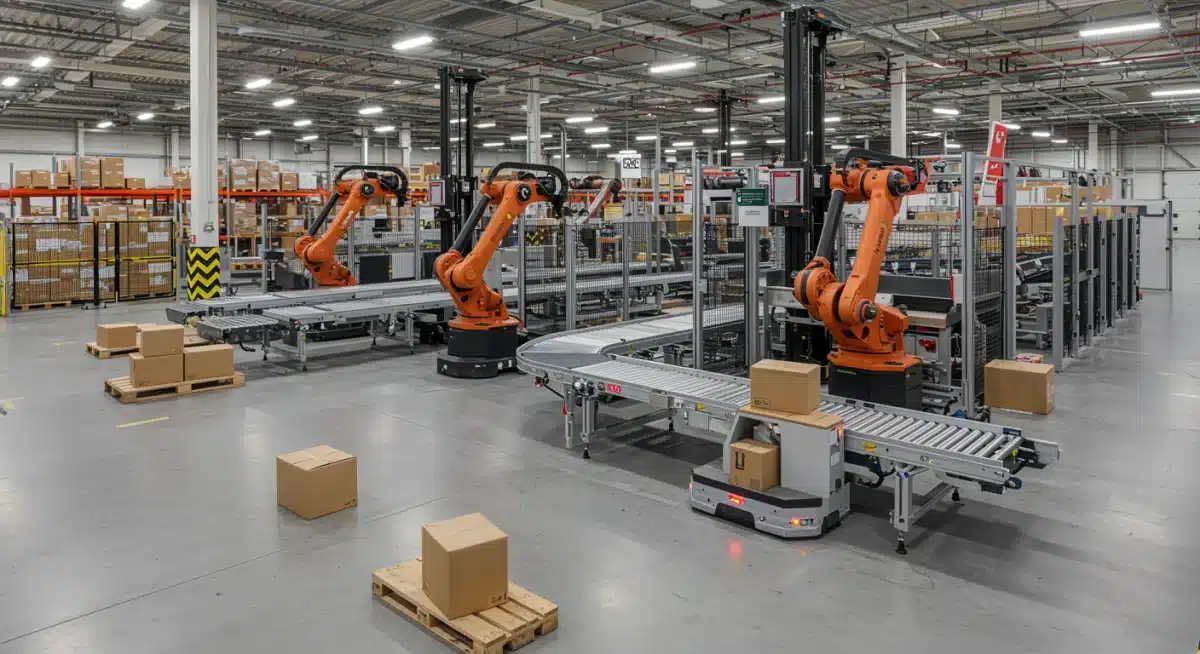
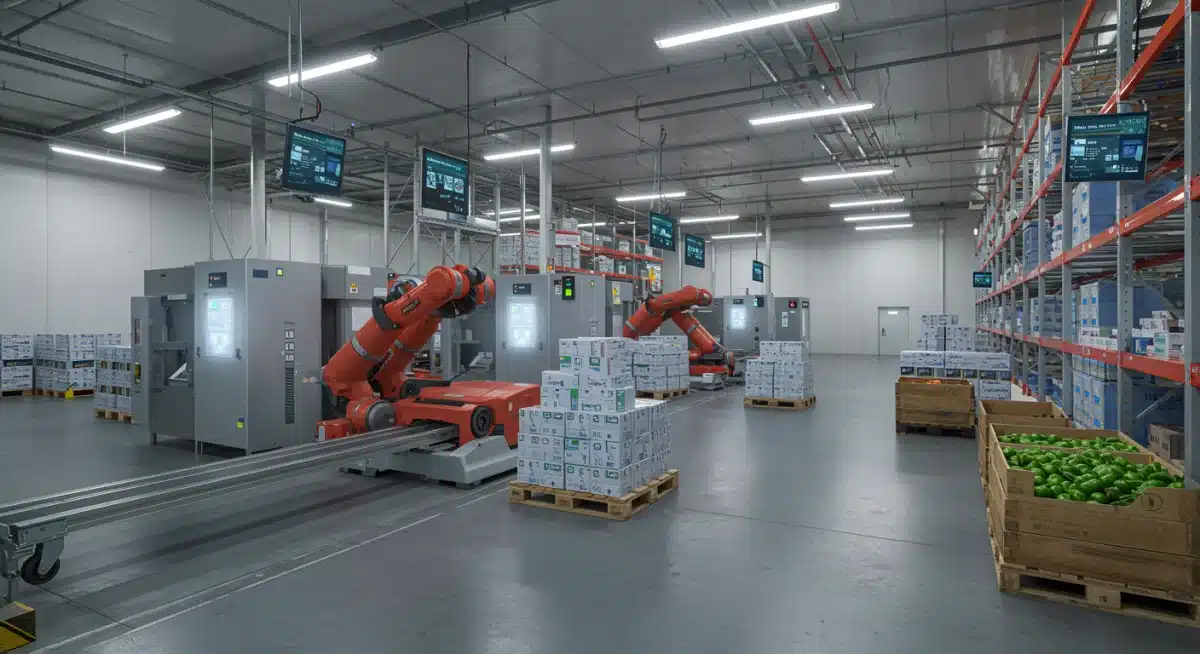
Modern warehouse management systems (WMS) and automated sorting technologies can significantly accelerate package processing, reduce errors, and optimize loading sequences for delivery vehicles. By minimizing the time vehicles spend at the hub, retailers can maximize their time on the road, leading to more deliveries per route and lower operational costs. This integration of warehouse efficiency with delivery execution is key to unlocking the full potential of last-mile savings.
Cross-Docking and Micro-Fulfillment Centers
Implementing strategies like cross-docking and establishing micro-fulfillment centers closer to urban customer bases can drastically reduce transit times and operational costs. Cross-docking minimizes storage time by transferring products directly from incoming to outgoing vehicles, while micro-fulfillment centers enable faster, more localized deliveries.
- Reduced Storage Costs: Minimizes the need for long-term warehousing.
- Faster Delivery Times: Brings inventory closer to the customer, enabling quicker fulfillment.
- Lower Transportation Costs: Reduces the distance for last-mile segments.
These strategic operational adjustments allow retailers to bypass traditional, often lengthy, supply chain steps, making last-mile delivery more agile and cost-effective. The ability to rapidly fulfill orders from strategically located points is a significant advantage in meeting consumer demands for speed.
Enhancing Customer Experience and Communication
While last-mile delivery optimization primarily focuses on cost reduction for US retailers, it inherently improves the customer experience, which in turn can lead to increased loyalty and repeat business. Providing transparent communication and flexible delivery options can significantly reduce failed deliveries and customer service inquiries, further contributing to overall savings. A satisfied customer is less likely to require costly re-delivery attempts or returns.
Modern consumers expect to be informed about their delivery status every step of the way. Offering real-time tracking, estimated time of arrival (ETA) updates, and direct communication channels with drivers empowers customers and builds trust. This proactive communication minimizes frustration and enhances the overall perception of the brand, making the delivery process a positive extension of the shopping experience.
Flexible Delivery Options and Communication Tools
Offering a range of delivery options, such as scheduled deliveries, in-store pickup (BOPIS), and locker deliveries, caters to diverse customer needs and can reduce the complexity and cost of last-mile operations. Coupled with robust communication tools, these options ensure customers receive their orders conveniently and reliably.
- Scheduled Deliveries: Reduces failed delivery attempts by allowing customers to choose a convenient time.
- Real-time Tracking: Provides customers with accurate updates on their package’s location.
- Automated Notifications: Sends SMS or email alerts for delivery status changes.
- Direct Driver Communication: Enables customers to communicate directly with their delivery driver.
By investing in these customer-centric solutions, retailers not only improve satisfaction but also create a more efficient and less costly last-mile ecosystem. The reduction in customer service calls and redelivery expenses directly impacts the bottom line, reinforcing the value of a strong customer experience strategy.
The Role of Data Analytics in Continuous Improvement
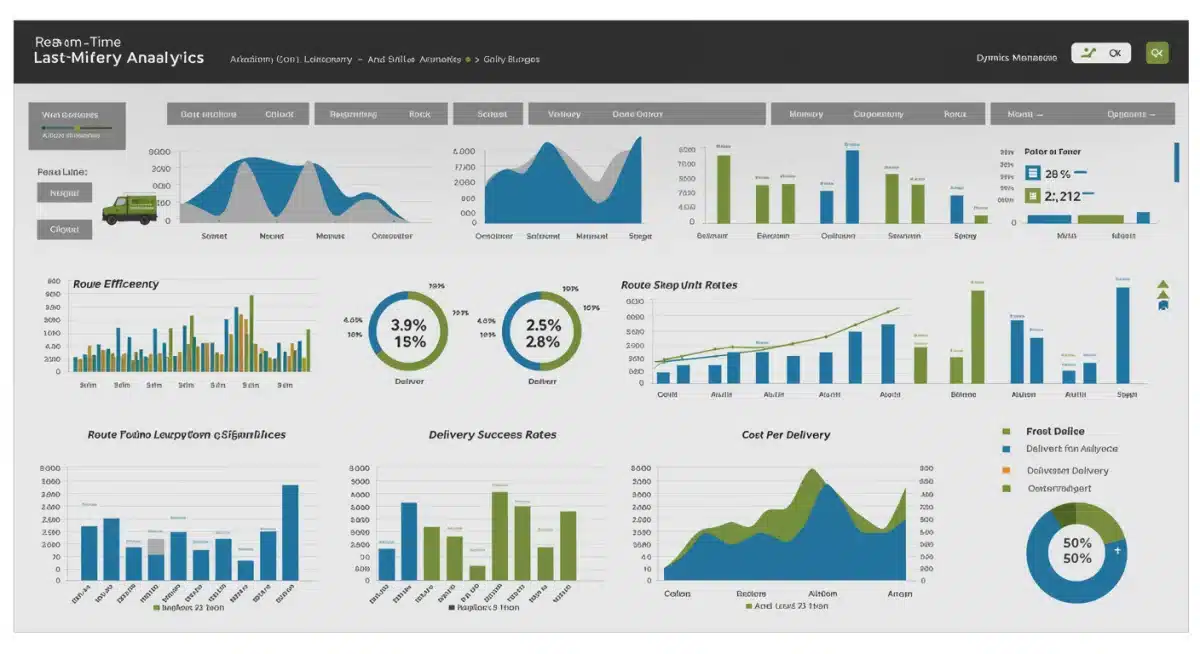
Data analytics is an indispensable tool for continuous last-mile delivery optimization, enabling US retailers to identify trends, predict challenges, and refine their strategies for sustained cost reductions. By collecting and analyzing vast amounts of data from every stage of the delivery process, retailers can gain actionable insights that drive ongoing improvements and ensure the targeted 18% cost savings are not just a one-time achievement but a continuous benefit.
From delivery times and route efficiency to customer feedback and fuel consumption, every data point offers an opportunity to fine-tune operations. Predictive analytics can forecast demand fluctuations, allowing for better resource allocation and proactive planning. This data-driven approach moves retailers beyond reactive problem-solving to a proactive strategy that anticipates needs and optimizes performance before issues arise.
Key Performance Indicators (KPIs) for Last-Mile Delivery
Establishing and regularly monitoring relevant KPIs is crucial for measuring the effectiveness of last-mile optimization efforts. These metrics provide a clear picture of performance and highlight areas requiring further attention.
- Cost Per Delivery: Tracks the total cost associated with each successful delivery.
- On-Time Delivery Rate: Measures the percentage of deliveries completed within the promised timeframe.
- Failed Delivery Rate: Indicates the frequency of unsuccessful first-attempt deliveries.
- Route Efficiency: Assesses how well routes are optimized in terms of distance and time.
- Customer Satisfaction Score (CSAT): Gathers feedback on the delivery experience.
Regular analysis of these KPIs allows retailers to make informed adjustments to their strategies, ensuring that their last-mile operations remain lean, efficient, and customer-focused. This iterative process of data collection, analysis, and adjustment is fundamental to achieving and maintaining optimal performance.
Future Trends and Innovations in Last-Mile Delivery
The landscape of last-mile delivery is constantly evolving, with new technologies and innovative approaches emerging that promise even greater efficiency and cost savings for US retailers. Keeping abreast of these future trends is crucial for maintaining a competitive edge and continuing the journey of last-mile delivery optimization. From autonomous vehicles to drone deliveries, the future holds exciting possibilities that could further revolutionize how products reach consumers’ hands.
Embracing these innovations, even in their early stages, can position retailers at the forefront of logistical excellence. While some technologies are still in their pilot phases, understanding their potential impact allows for strategic planning and investments that will pay dividends in the long run. The goal is to build a future-proof last-mile strategy that can adapt to technological advancements and changing consumer expectations.
Emerging Technologies and Their Impact
A variety of cutting-edge technologies are set to transform last-mile delivery, offering solutions to some of the most persistent challenges. These innovations promise to enhance speed, reduce emissions, and significantly lower operational costs.
- Autonomous Delivery Vehicles: Self-driving cars and robots for local deliveries, reducing labor costs.
- Drone Delivery: Offers rapid delivery for smaller packages, bypassing traffic congestion.
- Parcel Lockers and Smart Boxes: Provides secure, convenient pickup points, reducing failed deliveries.
- Hyperlocal Fulfillment Models: Leverages local stores as mini-distribution centers for ultra-fast delivery.
By exploring and strategically integrating these future trends, US retailers can continue to innovate their last-mile operations, achieving even greater levels of efficiency and cost reduction. The journey of optimization is ongoing, and staying ahead of the curve is vital for sustained success in the dynamic retail environment.
| Key Optimization Area | Brief Description of Impact |
|---|---|
| Route Optimization Software | Calculates most efficient delivery paths, reducing fuel and labor costs. |
| Fleet Management Systems | Monitors vehicles and drivers for efficiency, safety, and predictive maintenance. |
| Warehouse & Hub Efficiency | Streamlines sorting and dispatch, minimizing vehicle idle time and speeding up delivery. |
| Customer Communication | Provides real-time tracking and flexible options, reducing failed deliveries and customer inquiries. |
Frequently Asked Questions About Last-Mile Delivery Optimization
Last-mile delivery optimization refers to the process of streamlining the final leg of a product’s journey to the customer’s doorstep. It involves using technology and strategic planning to enhance efficiency, reduce costs, and improve customer satisfaction in a complex logistical phase.
Achieving an 18% cost reduction involves a combination of strategies, including implementing advanced route optimization software, utilizing robust fleet management systems, enhancing warehouse efficiency, improving customer communication, and leveraging data analytics for continuous improvement.
Technology is central to optimization, providing tools for dynamic route planning, real-time tracking, predictive analytics, and automated processes. These innovations help minimize fuel consumption, reduce labor costs, and improve overall delivery speed and reliability.
Optimization leads to faster, more reliable deliveries, real-time communication, and flexible delivery options. This transparency and convenience enhance customer satisfaction, build trust, and can reduce the need for costly re-delivery attempts or customer service inquiries.
Future trends include the increasing adoption of autonomous delivery vehicles, drones, parcel lockers, and hyperlocal fulfillment models. These innovations are expected to further streamline operations, reduce environmental impact, and offer even greater speed and efficiency.
Conclusion
The journey towards achieving significant cost reductions in last-mile delivery for US retailers is both challenging and incredibly rewarding. By strategically implementing advanced technologies, refining operational processes, and prioritizing customer experience, retailers can unlock substantial savings, potentially reaching the ambitious goal of an 18% reduction this year. The continuous evolution of logistics demands a proactive and adaptable approach, ensuring that businesses not only meet but exceed consumer expectations while bolstering their bottom line. Embracing innovation and data-driven decisions will be key to sustaining success in the ever-competitive retail landscape.