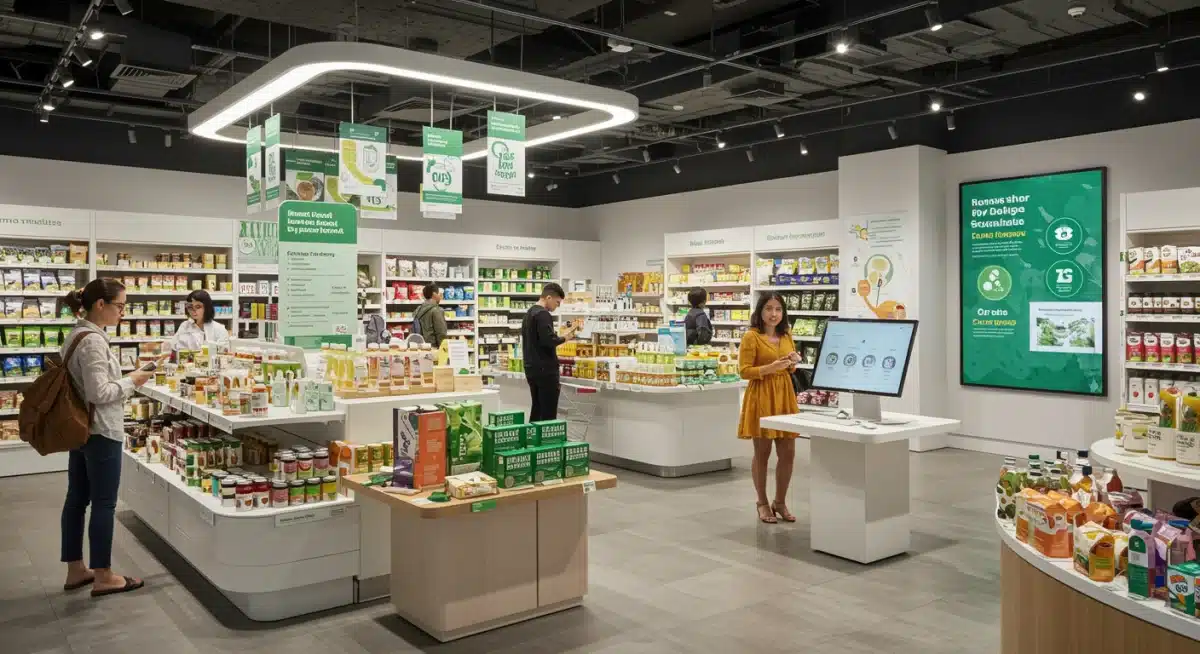
The 2025 holiday shopping season is set to see a significant 6% surge in US retail spending, driven by evolving consumer behaviors and economic factors, demanding proactive strategic planning from businesses.
As the retail landscape continuously evolves, anticipating future trends is crucial for businesses aiming to thrive. The Holiday Shopping Outlook 2025: Preparing for a Projected 6% Increase in US Retail Spending suggests a robust season ahead, presenting both opportunities and challenges. How can retailers best prepare for this anticipated growth?
Understanding the 2025 Holiday Spending Forecast
The projection of a 6% increase in US retail spending for the 2025 holiday season is more than just a number; it reflects a complex interplay of economic indicators, consumer sentiment, and shifting market dynamics. This anticipated growth signals a resilient consumer base, eager to engage in festive purchases, but also highlights the need for retailers to understand the underlying drivers of this optimism.
Several factors contribute to this positive outlook. A stable job market, moderated inflation expectations, and a gradual return to pre-pandemic spending habits are all playing significant roles. Consumers, having navigated economic uncertainties for several years, are showing a renewed willingness to spend on gifts, experiences, and personal indulgences, particularly during the critical holiday period.
Economic Tailwinds and Consumer Confidence
- Stable Employment: A consistent employment rate provides consumers with greater financial security, translating into higher discretionary spending.
- Moderated Inflation: While inflation remains a concern, its anticipated moderation in 2025 helps consumer purchasing power feel less eroded.
- Wage Growth: Continued, albeit gradual, wage increases can fuel consumer confidence and their ability to spend more during the holidays.
Moreover, the psychological impact of a return to normalcy after years of disruptions cannot be overstated. Consumers are increasingly looking forward to celebrating holidays with family and friends, driving demand for a wide range of products and services. Retailers who align their offerings with these evolving consumer aspirations will be well-positioned to capture a larger share of the market.
In conclusion, the 2025 holiday spending forecast is underpinned by a mix of favorable economic conditions and a positive shift in consumer sentiment. Understanding these foundational elements is the first step for businesses to craft effective strategies for the upcoming season.
Evolving Consumer Behavior: What to Expect
The modern consumer is a dynamic entity, constantly adapting to new technologies, economic conditions, and social trends. For the 2025 holiday season, retailers must pay close attention to several key shifts in consumer behavior that will dictate purchasing patterns. These changes extend beyond where consumers shop to how they make decisions and what truly motivates their purchases.
One significant trend continues to be the seamless integration of online and offline shopping experiences. Consumers no longer view these as separate channels but as interconnected parts of their shopping journey. They expect convenience, personalization, and consistent brand messaging across all touchpoints, whether browsing in a physical store or scrolling through an e-commerce site.
The Rise of Hybrid Shopping Models
- BOPIS (Buy Online, Pick Up In Store): This model remains highly popular, offering the convenience of online shopping with the immediacy of in-store pickup, reducing shipping costs and wait times.
- Showrooming and Webrooming: Consumers often research products online before buying in-store (webrooming) or vice-versa (showrooming), demonstrating the importance of a strong presence in both domains.
- Personalized Experiences: Data-driven personalization, from product recommendations to tailored promotions, significantly influences purchasing decisions.
Furthermore, ethical considerations and sustainability are increasingly impacting consumer choices. A growing segment of shoppers prioritizes brands that demonstrate social responsibility, environmentally friendly practices, and transparent supply chains. Retailers who can authentically communicate their commitment to these values will resonate more deeply with conscious consumers.
Another crucial aspect is the continued influence of social media and influencer marketing. Platforms like TikTok, Instagram, and YouTube are not just for entertainment; they are powerful discovery engines where consumers find inspiration, product reviews, and direct purchasing links. Engaging with these channels effectively will be vital for reaching younger demographics and driving impulse buys.
To summarize, understanding the evolving behaviors of the 2025 holiday shopper—their preference for hybrid models, their demand for personalization, and their growing focus on ethical consumption—is paramount for retailers looking to connect meaningfully and convert sales.
Strategic Preparations for Retailers

With a projected 6% increase in US retail spending for the 2025 holiday season, retailers must move beyond reactive measures and embrace proactive, strategic preparations. This involves a holistic approach that touches every aspect of the business, from inventory management to customer engagement. Early planning can be the differentiator between a successful season and a missed opportunity.
One of the most critical areas for preparation is inventory management. Accurately forecasting demand, optimizing stock levels, and ensuring efficient supply chains are essential to avoid both stockouts and overstock situations. Leveraging data analytics and AI-driven predictive models can provide invaluable insights into consumer preferences and purchasing patterns, allowing for more precise inventory planning.
Key Areas for Retailer Focus
- Supply Chain Optimization: Strengthening relationships with suppliers, diversifying sourcing, and implementing robust logistics strategies to prevent disruptions.
- Staffing and Training: Hiring and training seasonal staff well in advance to ensure adequate coverage and excellent customer service during peak periods, both in-store and online.
- Technology Upgrades: Investing in faster e-commerce platforms, improved POS systems, and enhanced cybersecurity to handle increased traffic and protect customer data.
Furthermore, a cohesive marketing and promotional strategy, launched ahead of time, is vital. This includes identifying key selling periods, crafting compelling offers, and utilizing a multi-channel approach to reach target audiences. Early bird promotions, exclusive member deals, and personalized campaigns can generate excitement and drive early sales, spreading demand and easing operational pressure.
Customer experience also demands significant attention. From intuitive website navigation and seamless checkout processes to efficient return policies and responsive customer support, every interaction shapes a customer’s perception and loyalty. Retailers should audit their entire customer journey to identify and rectify any potential pain points before the holiday rush.
In essence, strategic preparation for the 2025 holiday season requires foresight, data-driven decision-making, and a relentless focus on optimizing operations and enhancing the customer experience. Those who prepare thoroughly will be best equipped to capitalize on the anticipated spending surge.
The Role of E-commerce and Digital Innovation
E-commerce will continue to be a dominant force in the 2025 holiday shopping landscape, building on years of accelerated growth. Its evolution is not just about online transactions but encompasses a broader spectrum of digital innovations that enhance the entire customer journey. Retailers must continually adapt and innovate their digital strategies to meet the sophisticated demands of the online shopper.
Mobile commerce, in particular, is expected to drive a significant portion of online sales. Consumers increasingly rely on their smartphones for product research, price comparisons, and purchases. This necessitates a mobile-first approach to website design, ensuring fast loading times, intuitive navigation, and a seamless checkout experience on smaller screens. Apps that offer personalized alerts, loyalty programs, and exclusive content can further deepen engagement.
Digital Trends Shaping Holiday Sales
The integration of artificial intelligence (AI) and machine learning (ML) is transforming how retailers personalize the shopping experience. AI-powered recommendation engines suggest products based on past purchases and browsing history, while chatbots provide instant customer support, answering queries and guiding shoppers. These technologies not only improve efficiency but also create a more tailored and satisfying experience for each individual.
Live commerce, where products are showcased and sold through live video streams, is gaining traction. This interactive format allows brands to engage directly with potential customers, answer questions in real-time, and create a sense of urgency and community. Influencer collaborations within live commerce events can significantly boost reach and sales during the holiday season.
Furthermore, augmented reality (AR) and virtual reality (VR) are moving beyond novelty to practical applications in retail. AR allows customers to virtually try on clothes or place furniture in their homes before buying, reducing returns and enhancing confidence. VR offers immersive shopping environments, creating unique brand experiences that differentiate retailers in a crowded market.
In conclusion, the success of the 2025 holiday season for many retailers will heavily depend on their ability to leverage e-commerce and digital innovations effectively. From optimizing mobile experiences to embracing AI and interactive technologies, staying at the forefront of digital trends is non-negotiable for capturing the projected increase in spending.
Marketing and Promotion Strategies for Success
Effective marketing and promotion are the lifeblood of a successful holiday shopping season, especially with a projected 6% increase in US retail spending. In 2025, generic campaigns will likely fall flat; instead, retailers need sophisticated, data-driven strategies that resonate with individual consumer segments. The goal is not just to attract attention but to convert interest into loyal customers.
Personalization remains a cornerstone of modern marketing. Leveraging customer data to deliver tailored product recommendations, exclusive offers, and content that speaks directly to individual needs and preferences can dramatically improve engagement and conversion rates. This extends to email marketing, social media ads, and even in-store promotions.
Crafting Engaging Holiday Campaigns
- Early Bird Incentives: Launching promotions before the traditional holiday rush to capture early spenders and spread out demand.
- Multi-channel Integration: Ensuring consistent messaging and branding across all channels – online, in-store, social media, and email – for a seamless customer journey.
- User-Generated Content: Encouraging customers to share their holiday purchases and experiences, building trust and authentic brand advocacy.
Social media marketing will continue to be a vital component. Beyond traditional ads, retailers should explore partnerships with micro-influencers whose followers align with their target demographic. Short-form video content on platforms like TikTok and Instagram Reels offers a powerful way to showcase products creatively and drive viral engagement.
Moreover, experiential marketing, both online and offline, can create memorable moments that differentiate a brand. This could involve virtual holiday events, interactive in-store displays, or personalized gifting services. Such experiences foster emotional connections with customers, turning transactions into lasting relationships.
Finally, a strong focus on post-purchase engagement is essential. Follow-up emails with care instructions, related product suggestions, and requests for reviews can enhance customer satisfaction and encourage repeat business. A positive post-purchase experience can solidify loyalty and turn new customers into brand advocates.
In summary, successful marketing and promotion for the 2025 holiday season will require a blend of personalization, multi-channel execution, engaging content, and a focus on building lasting customer relationships. Retailers who master these elements will be well-prepared to capitalize on the anticipated spending increase.
Navigating Challenges and Maximizing Opportunities
While the 2025 holiday shopping outlook paints a picture of growth with a projected 6% increase in US retail spending, it’s crucial for retailers to acknowledge and prepare for potential challenges. The retail landscape is never without its hurdles, and proactively addressing them can turn obstacles into opportunities. Understanding both the risks and the rewards is key to a triumphant season.
One persistent challenge is the potential for supply chain disruptions, which can impact inventory levels and delivery times. Geopolitical events, natural disasters, or labor shortages can all create bottlenecks. Retailers should have contingency plans in place, including diversified sourcing, buffer stock, and clear communication channels with both suppliers and customers regarding potential delays.
Overcoming Obstacles and Seizing Growth
The competitive environment will intensify as all retailers vie for a share of the increased spending. This necessitates strong differentiation, whether through unique product offerings, superior customer service, competitive pricing strategies, or innovative marketing. Standing out in a crowded market requires a clear value proposition and consistent brand messaging.
- Data Security: With increased online transactions, robust cybersecurity measures are paramount to protect customer data and maintain trust.
- Returns Management: Efficient and customer-friendly return processes are crucial, as a frictionless experience can turn a potential negative into a positive.
- Economic Volatility: While the outlook is positive, retailers should remain agile and ready to adjust strategies in response to unforeseen economic shifts or consumer sentiment changes.
However, alongside these challenges come significant opportunities. The projected spending increase means a larger pie for retailers who are prepared. This is a chance to acquire new customers, deepen relationships with existing ones, and solidify market position. Retailers can leverage the holiday season to test new products, experiment with innovative technologies, and gather valuable data for future planning.
Furthermore, the focus on experiences and personalization opens doors for creative offerings. Curated gift sets, personalized shopping assistance, and unique in-store events can attract discerning shoppers looking for more than just a transaction. Building community around a brand during this festive period can yield long-term loyalty.
In summation, navigating the 2025 holiday season successfully requires a balanced approach: mitigating potential challenges through robust planning while aggressively pursuing the opportunities presented by increased consumer spending. Agility, customer focus, and strategic innovation will be the hallmarks of winning retailers.
Post-Holiday Analysis and Future Planning
A triumphant holiday shopping season doesn’t conclude on December 26th; it extends into a crucial period of post-holiday analysis and strategic future planning. For retailers aiming to sustain growth beyond the projected 6% increase in US retail spending for 2025, understanding what worked, what didn’t, and why, is paramount. This analytical phase sets the stage for continuous improvement and future success.
The immediate post-holiday period is ideal for evaluating sales data across all channels. This includes examining product performance, identifying top-selling items, and understanding regional variations in demand. Analyzing conversion rates, average order values, and customer acquisition costs provides a clear picture of marketing campaign effectiveness and operational efficiency.
Key Areas for Post-Holiday Review
- Sales Performance: Detailed review of revenue, unit sales, and profit margins by product category, channel, and geographical region.
- Customer Feedback: Collecting and analyzing customer reviews, social media comments, and support interactions to identify areas for improvement in products, services, and overall experience.
- Operational Efficiency: Assessing the performance of supply chain, logistics, and staffing to pinpoint bottlenecks or areas where processes can be streamlined.
Beyond sales figures, it’s vital to assess customer behavior. How did new customers engage with the brand? What were the key drivers for repeat purchases? Understanding these patterns can inform loyalty programs, retention strategies, and personalized marketing efforts for the coming year. Post-holiday surveys and feedback forms can offer qualitative insights that complement quantitative data.
Furthermore, a thorough inventory reconciliation is necessary to manage unsold stock, plan for clearance sales, and inform purchasing decisions for the next buying cycle. Identifying trends in returns and exchanges can also highlight product quality issues or areas where product descriptions need improvement.
Finally, the insights gleaned from the 2025 holiday season should directly feed into strategic planning for 2026 and beyond. This includes refining product assortments, optimizing marketing budgets, improving customer service protocols, and exploring new technologies. The holiday season is a high-stakes proving ground, and its lessons are invaluable for long-term retail health.
In conclusion, the post-holiday analysis is not merely a wrap-up; it’s a critical strategic exercise that transforms seasonal performance data into actionable intelligence. This rigorous review ensures that retailers are not just reacting to market trends but actively shaping their future success.
| Key Point | Brief Description |
|---|---|
| 6% Spending Increase | US retail spending projected to rise by 6% in 2025 holiday season, driven by economic stability and consumer confidence. |
| Hybrid Shopping | Consumers increasingly use both online and offline channels, demanding seamless, personalized experiences. |
| Strategic Preparation | Retailers need proactive planning in inventory, staffing, technology, and marketing to maximize opportunities. |
| Digital Innovation | E-commerce, AI, AR/VR, and mobile optimization are crucial for engaging modern shoppers and driving sales. |
Frequently Asked Questions About 2025 Holiday Retail
The 2025 holiday shopping season is projected to see a significant 6% increase in US retail spending. This forecast is based on various economic indicators, including a stable job market, moderated inflation expectations, and resilient consumer confidence, encouraging higher discretionary spending.
Consumers are expected to favor hybrid shopping models, seamlessly integrating online and in-store experiences. Personalization, ethical brand practices, and the influence of social media will play crucial roles in purchasing decisions, demanding tailored engagement strategies from retailers.
Retailers should focus on optimizing inventory management through data analytics, strengthening supply chains, and ensuring adequate staffing. Early and integrated marketing campaigns, coupled with enhanced customer experience across all touchpoints, are also vital for success.
E-commerce will remain central, driven by mobile commerce and innovations like AI-powered personalization, live commerce, and AR/VR experiences. Retailers must prioritize mobile-first design, efficient online platforms, and leverage digital tools to enhance customer engagement and sales.
Potential challenges include ongoing supply chain disruptions, intense competition, and the need for robust data security. Retailers must also manage returns efficiently and remain agile to adapt to any unforeseen economic shifts, ensuring a resilient operational framework.
Conclusion
The Holiday Shopping Outlook 2025: Preparing for a Projected 6% Increase in US Retail Spending underscores a period of significant opportunity for retailers. With consumers poised to spend more, the emphasis shifts from merely reacting to market forces to proactively shaping a successful season. Businesses that invest in strategic planning, embrace evolving consumer behaviors, leverage digital innovations, and optimize their marketing efforts will be best positioned to capitalize on this anticipated growth. The insights gathered from this robust season will also be invaluable for long-term strategic planning, ensuring sustained success in an ever-dynamic retail environment.