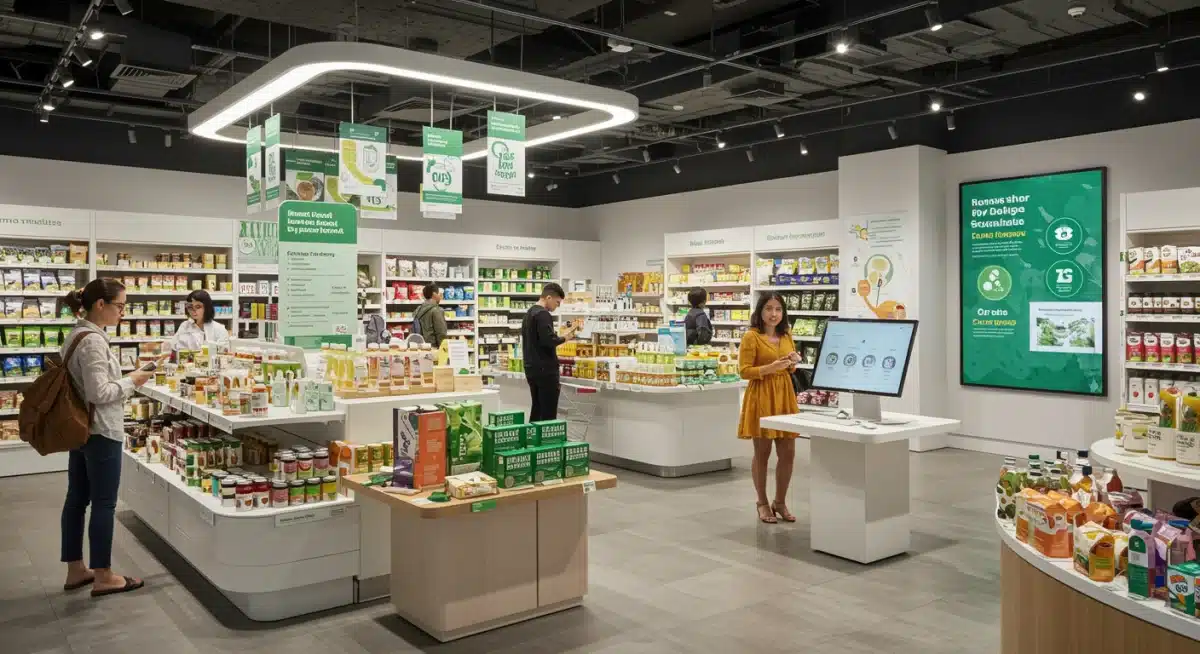
Fifteen percent of US households are actively reshaping the retail landscape, signaling critical consumer spending shifts that demand immediate attention from businesses and marketers aiming to thrive in 2025.
The landscape of American commerce is undergoing a profound transformation. As we approach 2025, significant consumer spending shifts are emerging, driven by a crucial segment of US households—approximately 15%—who are not just adapting to new economic realities but actively redefining retail priorities. This insider knowledge is vital for any business looking to navigate the evolving market effectively.
Understanding the 15%: Who are These Influencers?
To truly grasp the magnitude of the impending retail revolution, it’s essential to identify the demographic driving these shifts. This 15% isn’t a monolithic group; rather, it encompasses a diverse range of households united by specific economic, social, and technological factors that influence their purchasing behaviors.
These households often represent early adopters of new technologies, highly informed consumers, and those experiencing significant life changes or economic pressures. Their collective choices are creating ripples that will soon become waves across the entire retail sector.
Demographic and Psychographic Profiles
Analyzing the characteristics of this influential 15% reveals key insights into their motivations and priorities. Understanding these profiles allows retailers to tailor their strategies more effectively.
- Tech-Savvy Innovators: These households are comfortable with digital platforms, embrace online shopping, and are often influenced by social media trends and personalized recommendations.
- Value-Conscious Shoppers: Facing economic uncertainties or seeking greater financial prudence, they prioritize durability, multi-purpose items, and seek out deals without compromising quality.
- Ethically Driven Consumers: A growing segment prioritizes sustainability, ethical sourcing, and corporate social responsibility, willing to pay a premium for brands aligned with their values.
- Experience Seekers: These consumers increasingly value experiences over possessions, redirecting discretionary spending towards travel, entertainment, and personalized services.
In essence, this group is not just spending differently; they are thinking differently about consumption. Their decisions are less about impulse and more about alignment with their personal values and long-term goals, making their impact on consumer spending shifts particularly potent.
The Rise of Conscious Consumption and Sustainability
One of the most profound consumer spending shifts being spearheaded by this 15% is the undeniable move towards conscious consumption. This isn’t just a fleeting trend but a fundamental re-evaluation of what and how products are purchased, with sustainability at its core.
Households are increasingly scrutinizing the environmental and social impact of their purchases. This translates into a preference for brands that demonstrate genuine commitment to ecological stewardship and fair labor practices, pushing retailers to adapt their supply chains and product offerings.
Impact on Product Development and Sourcing
Retailers are now under pressure to offer products that meet these elevated ethical standards. This influences everything from raw material sourcing to manufacturing processes and packaging.
- Eco-Friendly Materials: Demand for recycled, organic, and sustainably harvested materials is surging, impacting industries from fashion to home goods.
- Circular Economy Models: Interest in repairable, reusable, and recyclable products is growing, encouraging businesses to design for longevity and end-of-life solutions.
- Transparent Supply Chains: Consumers want to know where their products come from and how they are made, pushing brands towards greater transparency.
The shift towards conscious consumption extends beyond product attributes to the entire brand ethos. Retailers ignoring this powerful trend risk alienating a significant and influential portion of the market, highlighting the importance of understanding these consumer spending shifts.
Experiences Over Possessions: The New Luxury
Another significant redirection of spending for this influential 15% is the prioritization of experiences over material goods. While material possessions still hold value, the emphasis has dramatically shifted towards creating memories, personal growth, and unique adventures.
This demographic is often characterized by a desire for authenticity and connection, which they find more readily in travel, events, education, and personalized services than in accumulating more ‘stuff’. This trend has profound implications for how retail spaces are designed and what services are offered.
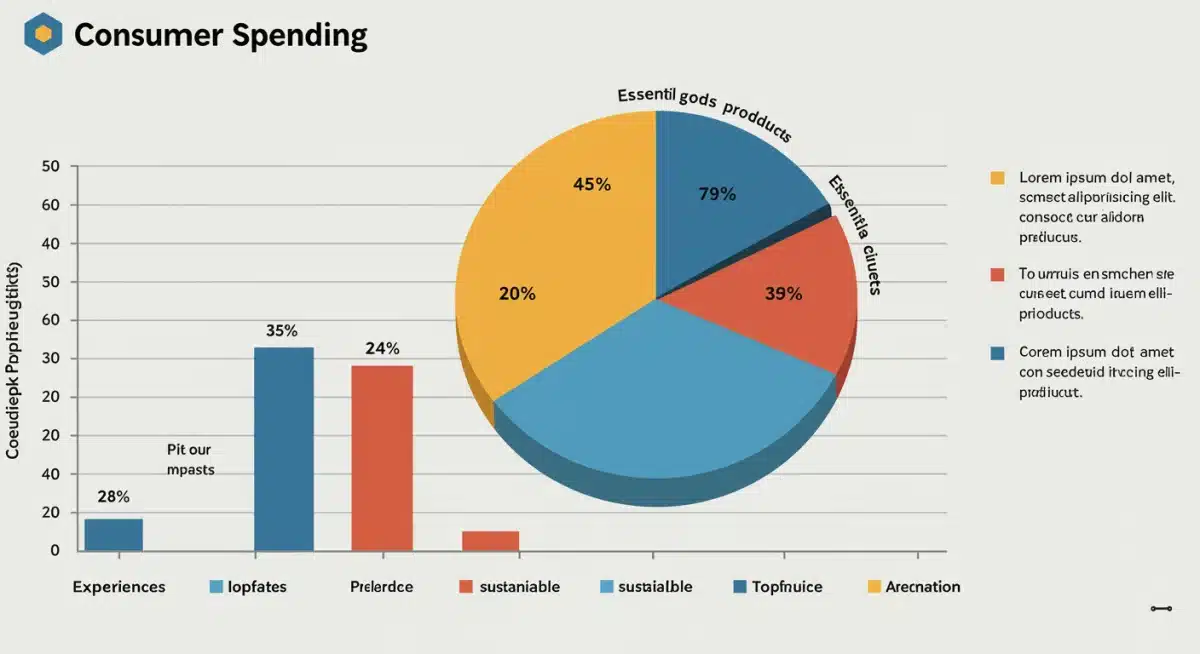
Rethinking Retail Spaces and Offerings
Traditional retailers must innovate to capture a share of this experience-driven spending. This means transforming stores into hubs for engagement, learning, and community building.
- Experiential Retail: Stores are becoming destinations, offering workshops, events, and interactive displays that provide value beyond a simple transaction.
- Subscription Services: From meal kits to curated fashion boxes, subscription models offer convenience and a sense of discovery, aligning with the desire for ongoing, personalized experiences.
- Service-Oriented Businesses: Growth in sectors like wellness, personal development, and niche travel indicates a strong demand for services that enhance quality of life.
The move towards experiences is reshaping discretionary spending patterns, compelling retailers to think beyond product sales and consider the holistic value they can offer. This shift is a critical component of the broader consumer spending shifts observed in the market.
Digital Dominance and Hyper-Personalization
The digital realm continues to exert immense influence on how these 15% of households discover, evaluate, and purchase products. Their comfort with technology translates into an expectation of seamless online experiences and highly personalized interactions across all channels.
This group leverages social media for product discovery, relies on online reviews, and anticipates customized recommendations. Their digital fluency sets a high bar for retailers, demanding sophisticated e-commerce platforms and data-driven marketing strategies.
Leveraging Data for Tailored Engagements
For retailers, understanding and responding to this digital dominance means investing heavily in data analytics and artificial intelligence to deliver hyper-personalized experiences.
- AI-Powered Recommendations: Utilizing AI to analyze browsing history and purchase patterns to suggest relevant products and content.
- Personalized Marketing: Crafting individualized marketing messages and offers based on consumer preferences and past interactions.
- Seamless Omnichannel: Integrating online and offline channels to provide a consistent and convenient shopping journey, from in-store pickup to virtual try-ons.
The expectation for personalization means that generic marketing campaigns are increasingly ineffective. Retailers who can master data utilization to create unique customer journeys will be best positioned to capture the attention and spending of these influential households, driving further consumer spending shifts.
The Home as a Hub: Investing in Comfort and Functionality
Amidst evolving priorities, the home has solidified its role as a central hub for living, working, and leisure. The 15% of households driving consumer spending shifts are increasingly investing in products and services that enhance their home environment, focusing on comfort, functionality, and well-being.
This trend reflects a desire for sanctuary and efficiency, particularly as hybrid work models become more prevalent. Spending is redirected towards creating spaces that support diverse activities, from remote work to family entertainment and personal wellness.
Categories Experiencing Growth
Several product categories linked to home improvement and enhancement are seeing significant growth as a result of these evolving priorities.
- Smart Home Technology: Devices that enhance convenience, security, and energy efficiency, such as smart thermostats, lighting, and security systems.
- Home Office Solutions: Ergonomic furniture, advanced connectivity, and tools that support productivity and comfort for remote work.
- Wellness and Leisure Spaces: Investments in home gyms, outdoor living areas, and products that promote relaxation and mental well-being.
Retailers in home goods, electronics, and even food and beverage sectors should recognize the home as a primary battleground for spending. Understanding these specific consumer spending shifts towards home-centric investments is crucial for strategic planning.
Navigating Economic Headwinds and Value Perception
While some of these households may possess higher disposable incomes, a significant portion within the 15% is also highly attuned to economic fluctuations and seeks perceived value in their purchases. This doesn’t always mean the lowest price, but rather the best return on investment for their money, considering durability, utility, and long-term benefits.
Inflationary pressures and economic uncertainties have heightened financial prudence. These consumers are making more deliberate choices, prioritizing essential goods, and carefully evaluating discretionary spending. Retailers must adapt by offering clear value propositions and transparent pricing.
Strategies for Value-Driven Engagement
To appeal to value-conscious consumers within this influential segment, retailers need to implement strategies that resonate with their financial considerations and desire for smart purchasing.
- Bundling and Subscriptions: Offering cost-effective packages or recurring services that provide consistent value.
- Loyalty Programs: Rewarding repeat purchases and fostering long-term relationships through exclusive discounts and benefits.
- Quality and Durability Emphasis: Highlighting the longevity and performance of products to justify their price point, appealing to a desire for fewer, better items.
Successfully navigating these economic considerations requires retailers to communicate value effectively and offer solutions that align with households’ financial goals, further influencing the overall consumer spending shifts in the market.
Preparing for 2025: Strategic Implications for Retailers
The insights gleaned from this 15% of US households are not mere observations; they are a strategic roadmap for the retail sector in 2025 and beyond. Ignoring these early indicators would be a critical oversight for any business aiming for sustained growth and relevance.
Retailers must move beyond traditional approaches and embrace agile strategies that can quickly adapt to evolving consumer expectations. This involves a commitment to innovation, customer-centricity, and a willingness to challenge established norms in product, service, and engagement.
Key Actionable Takeaways for Businesses
To effectively respond to these impending consumer spending shifts, businesses should consider several strategic imperatives.
- Invest in Data Analytics: Deeply understand customer behavior through robust data collection and analysis to inform personalized strategies.
- Prioritize Sustainability: Integrate ethical and environmental considerations into product development, sourcing, and marketing to resonate with conscious consumers.
- Enhance Experiential Offerings: Transform retail spaces and online interactions into engaging experiences that provide value beyond simple transactions.
- Optimize Omnichannel Presence: Ensure a seamless and consistent customer journey across all digital and physical touchpoints.
- Communicate Value Clearly: Articulate the long-term benefits, quality, and ethical considerations of products and services to appeal to value-driven consumers.
The households driving these changes are signaling a future where retail success hinges on adaptability, authenticity, and a deep understanding of evolving consumer values. Proactive engagement with these shifts is not just an option; it’s a necessity for thriving in the competitive retail landscape of 2025.
| Key Shift | Brief Description |
|---|---|
| Conscious Consumption | Increasing preference for sustainable, ethically sourced, and environmentally friendly products. |
| Experiences Over Goods | Discretionary spending shifts towards travel, entertainment, and personal development services. |
| Digital & Personalization | Expectations for seamless online experiences and highly tailored product recommendations. |
| Home as a Hub | Increased investment in products for comfort, functionality, and well-being within the home environment. |
Frequently Asked Questions About Consumer Spending Shifts
This group comprises tech-savvy innovators, value-conscious shoppers, ethically driven consumers, and experience seekers. They are diverse but united by their influence on emerging trends and their proactive re-evaluation of purchasing priorities for 2025 and beyond.
Conscious consumption is leading to increased demand for sustainable, ethically sourced, and eco-friendly products. Retailers must adapt their supply chains, product development, and transparency to meet these evolving consumer values and expectations.
It signifies a shift in discretionary spending towards activities like travel, entertainment, and personalized services rather than material goods. Retailers should consider transforming stores into experiential hubs or offering service-oriented products to align with this trend.
These households expect seamless online experiences and tailored interactions. Retailers must invest in data analytics and AI to provide personalized recommendations, targeted marketing, and an integrated omnichannel journey to capture their attention and spending.
Consumers are investing more in products that enhance comfort, functionality, and well-being within their homes. This drives demand for smart home technology, home office solutions, and wellness-related items, presenting opportunities for relevant product categories.
Conclusion
The impending consumer spending shifts driven by 15% of US households represent a pivotal moment for the retail industry. These influential consumers are not merely adapting to change; they are actively shaping the future of commerce through their preferences for sustainability, experiences, digital engagement, and home-centric investments. For retailers, understanding and proactively responding to these evolving priorities is not just a strategic advantage but a fundamental requirement for success in 2025 and beyond. Those who embrace innovation, prioritize customer values, and leverage data to personalize experiences will be best positioned to thrive in this dynamic new market landscape.