Boost Retail Employee Retention: 15% Turnover Cut by 2025

Boosting employee retention in small retail is crucial for success, aiming for a 15% turnover reduction by 2025 through enhanced compensation, positive work culture, clear career paths, and effective management.
Boosting employee retention in small retail is not merely a human resources challenge; it’s a strategic imperative for sustainable growth and profitability. High turnover rates can severely impact operational efficiency, customer experience, and ultimately, a small business’s bottom line. This article delves into practical, actionable strategies designed to help small retail businesses achieve a significant 15% reduction in employee turnover by 2025.
Understanding the Turnover Challenge in Small Retail
Small retail businesses often face unique challenges when it comes to employee retention. Unlike larger corporations, they may have limited resources for competitive salaries, extensive benefits, or structured career development programs. This can lead to a higher susceptibility to employee churn, particularly in a competitive labor market.
The cost of employee turnover extends far beyond the immediate financial implications of recruitment and training. It impacts team morale, disrupts customer relationships, and can significantly hinder a store’s ability to maintain a consistent brand experience. Understanding these multifaceted costs is the first step toward building a robust retention strategy.
The Hidden Costs of High Turnover
Many small business owners underestimate the true cost of losing an employee. It’s not just about finding a replacement; it’s about the lost productivity, the time invested in training, and the potential negative impact on team dynamics.
- Recruitment Expenses: Advertising, screening, interviewing, and background checks.
- Onboarding and Training: Time spent by managers and other employees, materials, and initial reduced productivity.
- Lost Productivity: The gap between an employee leaving and a new one becoming fully proficient.
- Decreased Morale: High turnover can demoralize remaining staff, leading to further departures.
Ultimately, addressing these costs proactively through effective retention strategies is far more economical than constantly reacting to departures. A 15% reduction in turnover can translate into substantial savings and improved operational stability for small retail businesses.
Cultivating a Positive and Engaging Work Environment
A positive work environment is foundational for effective retail employee retention. Employees who feel valued, respected, and part of a cohesive team are far less likely to seek opportunities elsewhere. This goes beyond just fair compensation; it encompasses the day-to-day interactions, the store’s culture, and how employees perceive their role within the business.
For small retail, fostering this environment often means creating a family-like atmosphere where everyone feels heard and supported. It involves consistent communication, recognition of efforts, and a genuine interest in employee well-being.
Building a Culture of Recognition and Appreciation
Recognizing employees for their hard work and dedication is a powerful motivator. Simple gestures can go a long way in making staff feel appreciated and valued.
- Verbal Praise: Regularly acknowledge good performance and specific contributions.
- Employee of the Month Programs: Highlight outstanding team members and their achievements.
- Small Incentives: Gift cards, team lunches, or extra time off for meeting goals.
- Public Recognition: Share successes during team meetings or in internal communications.
These initiatives, while seemingly minor, contribute significantly to job satisfaction and a sense of belonging. They reinforce positive behaviors and create a supportive atmosphere where employees feel their efforts are seen and rewarded.
Competitive Compensation and Benefits for Retail Staff
While a positive culture is vital, competitive compensation and benefits remain critical factors in retail employee retention. Small retail businesses may not always be able to match the pay scales of large corporations, but they can still strive for fairness and transparency in their offerings.
It’s important to research local market rates and ensure that your pay structure is attractive enough to both retain current employees and attract new talent. Beyond base pay, consider creative ways to offer benefits that add genuine value to your employees’ lives.
Beyond the Hourly Wage: Creative Benefit Solutions
Even with budget constraints, small retail businesses can implement innovative benefit strategies that enhance their overall compensation package.
Consider offering a tiered system where employees gain access to more benefits as their tenure or performance improves. This encourages loyalty and provides clear incentives for growth within the company. Furthermore, transparency about how pay is determined and the opportunities for advancement can build trust and reduce feelings of unfairness.
- Performance Bonuses: Tying bonuses to individual or team sales targets.
- Flexible Scheduling: Offering more control over work hours to improve work-life balance.
- Employee Discounts: Significant discounts on store products or services.
- Paid Time Off (PTO): Even a modest PTO policy can be a major draw.
- Health Stipends: Contributing to health insurance or wellness programs.
These creative solutions demonstrate an investment in employees, making them feel more valued and increasing their commitment to the business. A well-constructed benefits package can be a powerful tool in reducing turnover.
Investing in Employee Development and Career Growth
Employees, especially in retail, often seek opportunities for growth and skill development. When they feel stagnant, they are more likely to look for new challenges elsewhere. For small retail businesses, investing in employee development can significantly improve retail employee retention by showing staff that their future is valued within the company.
This doesn’t necessarily mean formal, expensive training programs. It can involve on-the-job learning, mentorship, and opportunities to take on new responsibilities. The key is to demonstrate a clear path for advancement, even if it’s within the confines of a small business structure.
Creating Clear Pathways for Advancement
Even in a small team, employees appreciate understanding how they can grow. Defining roles and responsibilities, along with potential next steps, can motivate staff to stay and develop their skills.
Regular check-ins with employees about their career aspirations can help align their goals with the business’s needs. This proactive approach allows management to identify potential leaders and tailor development opportunities accordingly.
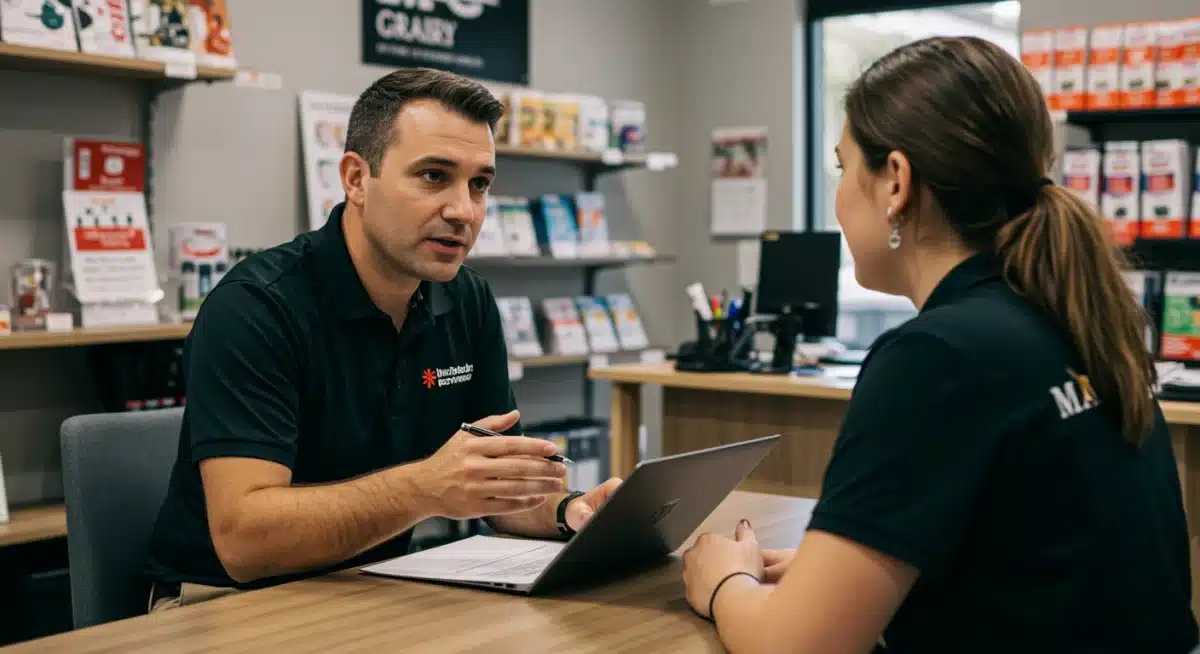
- Mentorship Programs: Pairing experienced staff with newer employees.
- Cross-Training: Allowing employees to learn different roles within the store.
- Workshops and Webinars: Providing access to relevant industry training.
- Leadership Opportunities: Delegating tasks or responsibilities to promising individuals.
By investing in their professional growth, small retail businesses not only retain talent but also cultivate a more skilled and capable workforce ready to contribute to the business’s long-term success.
Effective Management and Communication Strategies
The relationship between employees and their direct managers is a primary driver of job satisfaction and, consequently, retail employee retention. Poor management and ineffective communication are frequently cited reasons for employees leaving their jobs. In small retail, where teams are often close-knit, the quality of this relationship is even more critical.
Managers in small retail need to be more than just taskmasters; they must be leaders, mentors, and effective communicators. This involves active listening, providing constructive feedback, and fostering an open-door policy where employees feel comfortable raising concerns.
Implementing Regular Feedback and Open Communication
Consistent and constructive feedback is essential for employee development and engagement. It helps employees understand their performance, identify areas for improvement, and feel supported in their roles.
Establishing regular one-on-one meetings, beyond just annual reviews, can create a continuous dialogue. These informal discussions allow for timely feedback, problem-solving, and a deeper understanding of employee needs and challenges.
- One-on-One Check-ins: Weekly or bi-weekly brief meetings to discuss progress and concerns.
- Performance Reviews: Annual or semi-annual formal reviews with clear goals and feedback.
- Anonymous Suggestion Box: Providing a safe channel for employees to share ideas or complaints.
- Team Meetings: Regular gatherings to discuss store performance, upcoming promotions, and team goals.
Strong leadership and clear communication build trust and transparency, leading to a more stable and engaged workforce. This reduces misunderstandings and fosters an environment where employees feel respected and heard.
Leveraging Technology for Improved Retention
While small retail might seem traditional, technology can play a significant role in improving retail employee retention. From streamlining operations to enhancing communication, digital tools can free up employees to focus on customer service and more engaging tasks, reducing frustration and increasing job satisfaction.
Implementing user-friendly point-of-sale (POS) systems, inventory management software, and internal communication platforms can make daily tasks easier and more efficient. This indirectly contributes to retention by creating a less stressful and more organized work environment.
Digital Tools for Enhanced Employee Experience
Even on a modest budget, small retail businesses can adopt various technological solutions to support their staff and improve the overall employee experience.
Consider platforms that automate scheduling, allowing employees to easily view their shifts, request time off, and swap shifts with colleagues. This level of flexibility, facilitated by technology, can be a major factor in employee satisfaction, particularly for those balancing work with other commitments.
- Modern POS Systems: Reduce transaction errors and speed up checkout processes.
- Scheduling Software: Offer flexibility and transparency in shift management.
- Internal Communication Apps: Facilitate quick and easy team communication.
- Online Training Modules: Provide accessible and consistent training resources.
By strategically integrating technology, small retail businesses can empower their employees, reduce administrative burdens, and create a more modern and appealing workplace, ultimately bolstering their retention efforts.
| Key Strategy | Brief Description |
|---|---|
| Positive Work Culture | Foster a supportive, respectful, and appreciative environment to boost morale and belonging. |
| Competitive Compensation | Offer fair wages and creative benefits to attract and retain talent in a competitive market. |
| Employee Development | Provide growth opportunities, training, and clear career paths to keep employees engaged. |
| Effective Management | Implement strong leadership, open communication, and regular feedback to build trust. |
Frequently Asked Questions About Retail Employee Retention
Employee retention is critical for small retail as high turnover leads to increased recruitment and training costs, decreased team morale, and inconsistent customer service. Retaining staff ensures operational stability, preserves institutional knowledge, and fosters stronger customer relationships, directly impacting profitability and brand reputation.
Low-cost morale boosters include regular verbal praise, public recognition of achievements, small team celebrations, flexible scheduling options, and involving employees in decision-making. Creating a supportive and appreciative atmosphere where employees feel valued and heard can significantly improve job satisfaction without large financial outlays.
Small retail businesses can offer creative, competitive benefits like performance-based bonuses, generous employee discounts, flexible work arrangements, and paid time off (PTO). Even modest contributions to health or wellness programs, or providing opportunities for cross-training and skill development, can enhance the overall compensation package, making it more attractive.
Effective management is crucial in reducing turnover. Managers who provide clear communication, constructive feedback, and opportunities for growth build trust and engagement. An open-door policy, regular one-on-one check-ins, and fair treatment can significantly influence an employee’s decision to stay, fostering a positive and productive work environment.
Yes, technology can greatly assist in employee retention. Tools like modern POS systems, automated scheduling software, and internal communication apps streamline operations, reduce frustration, and enhance flexibility. By simplifying daily tasks and improving work-life balance, technology frees up employees to focus on more engaging aspects of their jobs, increasing overall satisfaction.
Conclusion
Achieving a 15% reduction in employee turnover by 2025 for small retail businesses is an ambitious yet attainable goal. It requires a holistic approach that prioritizes competitive compensation, cultivates a positive work environment, invests in employee development, and fosters effective management practices. By implementing these strategies, small retailers can not only retain their valuable staff but also build a more resilient, productive, and ultimately more profitable business. The investment in your people is an investment in your future success.