Inflationary Pressures: Q1 2025 CPI Impact on US Retail Margins
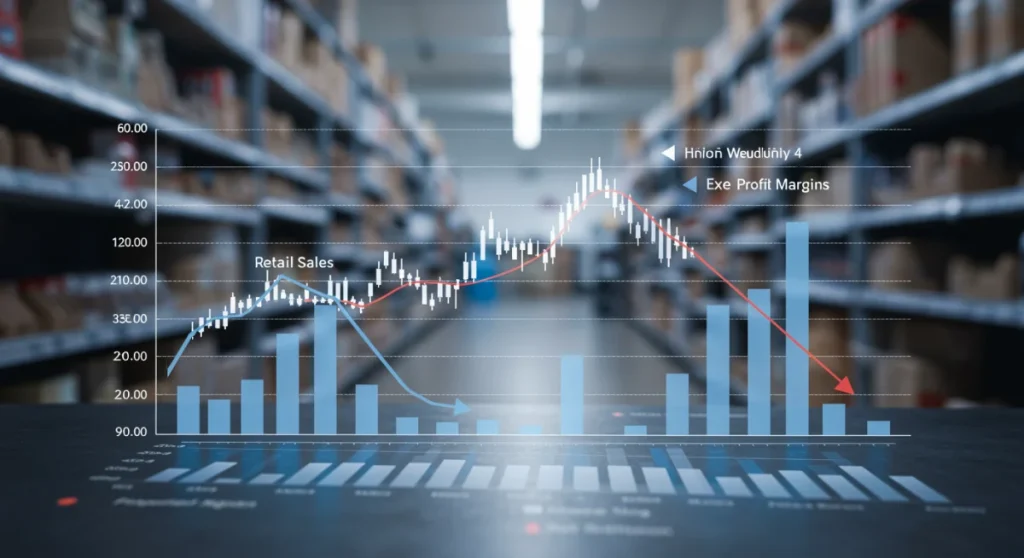
A projected 3% increase in the Consumer Price Index for Q1 2025 will likely exert significant pressure on US retail margins, forcing businesses to re-evaluate their operational and pricing strategies.
As we approach Q1 2025, the specter of a 3% increase in the Consumer Price Index (CPI) looms large, casting a long shadow over the profitability of US retail businesses. This anticipated rise in inflation is not merely a statistical blip; it represents a tangible threat to the delicate balance of costs and revenues that define retail margins inflation. Understanding the multifaceted financial impact and developing robust strategies to mitigate these pressures will be paramount for survival and success in the evolving economic landscape.
Understanding the CPI and its Direct Link to Retail Costs
The Consumer Price Index (CPI) serves as a critical economic indicator, measuring the average change over time in the prices paid by urban consumers for a market basket of consumer goods and services. A 3% increase in Q1 2025 CPI signifies a broad-based rise in the cost of living, which directly translates into higher operational expenses for retailers. This isn’t just about the price tags on shelves; it’s about the entire supply chain and the underlying economic framework.
When the CPI climbs, retailers face increased costs across various fronts. From the raw materials used in manufacturing products to the energy costs associated with transportation and store operations, every component experiences an upward push. This ripple effect can quickly erode profit margins if not proactively managed.
The Domino Effect on Supply Chains
- Raw Material Costs: Suppliers pass on increased costs for materials, directly affecting product acquisition.
- Transportation and Logistics: Higher fuel prices and labor costs for freight impact inbound and outbound shipping.
- Manufacturing Expenses: Producers face elevated costs for labor, utilities, and components, leading to higher wholesale prices.
These escalating costs are not isolated incidents; they form a complex web that ultimately lands on the retailer’s balance sheet. The challenge lies in absorbing these increases without alienating price-sensitive consumers, a balancing act that demands strategic foresight and agile execution.
The Erosion of Gross Margins: A Retailer’s Dire Concern
Gross margin, calculated as revenue minus the cost of goods sold (COGS), is the lifeblood of any retail operation. When the CPI rises, COGS inevitably increases, directly squeezing this vital metric. A 3% CPI hike in Q1 2025 implies that retailers will pay more for the products they sell, even if their selling prices remain constant. This scenario is unsustainable in the long run.
Retailers operate on often thin margins, making them particularly vulnerable to inflationary pressures. Even a slight increase in COGS can significantly impact overall profitability. The decision then becomes whether to absorb these costs, pass them on to consumers, or find innovative ways to reduce other operational expenses.
Strategies to Combat Margin Erosion
- Strategic Pricing Adjustments: Carefully raising prices without deterring customers.
- Vendor Negotiations: Renegotiating terms with suppliers to secure better rates or longer payment windows.
- Product Mix Optimization: Shifting focus to higher-margin products or private labels.
The imperative is clear: retailers must act decisively to protect their gross margins. This involves a comprehensive review of their product portfolio, supplier relationships, and pricing strategies to ensure that profitability is maintained in the face of rising costs.
Operational Costs: More Than Just Product Acquisition
Beyond the direct cost of goods, inflationary pressures extend to a retailer’s broader operational expenses. Labor, rent, utilities, and marketing — nearly every aspect of running a business sees an increase when the CPI climbs. For many retailers, these fixed and variable costs represent a substantial portion of their overall expenditure.
A 3% CPI increase can translate into higher utility bills for storefronts and warehouses, increased wages to attract and retain staff in a competitive labor market, and even more expensive marketing campaigns. These factors collectively contribute to a higher operating cost base, further compressing net profit margins.

Managing these operational costs requires a keen eye for efficiency and a willingness to adapt. Retailers might explore energy-saving technologies, optimize staffing levels, or re-evaluate their leases and vendor contracts. The goal is to find efficiencies wherever possible to offset the inflationary tide.
Consumer Behavior Shifts Amidst Rising Prices
Inflation doesn’t just impact retailers; it profoundly affects consumer purchasing power and behavior. When prices rise, consumers often become more discerning, seeking value, delaying non-essential purchases, and shifting their spending habits. This shift can manifest in various ways, from trading down to private label brands to reducing overall consumption.
A 3% CPI increase can lead to a noticeable reduction in discretionary spending, as households prioritize essentials. Retailers selling non-essential goods or premium products may feel this impact more acutely. Understanding these evolving consumer trends is crucial for retailers to adjust their merchandising, marketing, and inventory strategies.
Adapting to Changing Consumer Demands
- Value Proposition: Emphasizing affordability and perceived value through promotions or bundled offers.
- Targeted Marketing: Focusing on segments less affected by inflation or those seeking specific value propositions.
- Inventory Management: Adjusting stock levels to align with anticipated shifts in demand and avoid overstocking.
The ability to anticipate and respond to these changes in consumer behavior will be a key differentiator for retailers navigating the inflationary environment. Those who can offer compelling value and adapt their product assortments will be better positioned to maintain market share and profitability.
Strategic Responses: Pricing, Efficiency, and Innovation
In the face of looming inflationary pressures, retailers have several strategic levers they can pull to protect their retail margins inflation. These strategies typically fall into three broad categories: pricing adjustments, operational efficiencies, and product innovation. A multi-pronged approach is often the most effective.
Pricing is perhaps the most direct response. However, simply raising prices across the board can backfire, leading to reduced sales volumes. Retailers must employ sophisticated pricing strategies, such as dynamic pricing, value-based pricing, or selective price increases on less price-sensitive items. The goal is to optimize revenue without alienating the customer base.
Key Strategic Pillars for Retailers
- Dynamic Pricing Models: Utilizing data analytics to adjust prices in real-time based on demand, competition, and cost fluctuations.
- Supply Chain Optimization: Streamlining logistics, consolidating orders, and exploring nearshoring or reshoring options to reduce transportation costs and lead times.
- Technology Adoption: Investing in automation, AI, and data analytics to improve operational efficiency, reduce waste, and enhance customer experience.
Beyond pricing, enhancing operational efficiency is paramount. This includes everything from optimizing store layouts and energy consumption to improving inventory management and labor scheduling. Innovation, whether in product offerings or business models, can also create new revenue streams or differentiate a retailer in a competitive market.
The Role of Technology in Mitigating Inflationary Impact
Technology offers powerful tools for retailers to combat the adverse effects of inflation on their margins. From advanced analytics to automation, digital solutions can provide insights, streamline operations, and enhance customer engagement, all of which contribute to better financial health.
Data analytics, for instance, can help retailers understand customer purchasing patterns, identify price elasticity of demand for different products, and optimize inventory levels to minimize carrying costs and reduce waste. Automation in warehouses and storefronts can reduce labor costs and improve efficiency, freeing up human capital for higher-value tasks.
Technological Solutions for Retail Resilience
- Predictive Analytics: Forecasting demand and price fluctuations to inform inventory and pricing decisions.
- Automated Inventory Systems: Reducing manual errors, preventing stockouts, and optimizing stock levels.
- Customer Relationship Management (CRM): Personalizing offers and building loyalty to retain customers amidst rising prices.
Embracing technology is no longer an option but a necessity for retailers aiming to thrive in an inflationary environment. These tools provide the agility and intelligence needed to make informed decisions and adapt quickly to changing market conditions.
Long-Term Outlook and Adaptability for US Retailers
The anticipated 3% CPI increase in Q1 2025 is not an isolated event but part of a broader economic cycle that US retailers must be prepared for. Building long-term resilience requires a fundamental shift in mindset, moving from reactive problem-solving to proactive strategic planning. Adaptability will be the hallmark of successful retailers.
This includes continuously monitoring economic indicators, fostering strong relationships with suppliers and customers, and investing in workforce training and development. Retailers who can anticipate market shifts, innovate their business models, and maintain a strong customer focus will be best equipped to navigate future inflationary periods and emerge stronger.
Ultimately, the ability to adapt to changing economic realities and consumer expectations will determine which retailers not only endure but also prosper. The next few quarters will serve as a critical test of this adaptability, highlighting the importance of strategic foresight and operational excellence in safeguarding retail margins inflation.
| Key Impact Area | Brief Description of Q1 2025 CPI Effect |
|---|---|
| Gross Margins | Increased COGS due to inflation directly reduces profit per sale. |
| Operational Costs | Higher expenses for labor, utilities, and logistics erode overall profitability. |
| Consumer Behavior | Reduced purchasing power leads to shifts in spending, impacting sales volumes. |
| Strategic Response | Necessity for dynamic pricing, efficiency gains, and technological adoption. |
Frequently Asked Questions About Inflation’s Retail Impact
A 3% CPI increase directly raises the cost of goods sold (COGS) and operational expenses for retailers. This reduces the difference between sales revenue and costs, thereby squeezing gross and net profit margins, making it harder for businesses to maintain profitability.
Retailers often respond by implementing strategic pricing adjustments, seeking operational efficiencies, renegotiating with suppliers, optimizing their product mix to favor higher-margin items, and leveraging technology to gain insights and streamline processes.
Yes, a 3% CPI increase typically leads consumers to become more cost-conscious. They may reduce discretionary spending, opt for cheaper alternatives, switch to private label brands, or delay non-essential purchases, directly impacting retail sales volumes and product demand.
Technology is crucial for mitigation, offering tools like predictive analytics for demand forecasting, automated inventory management for efficiency, and CRM systems for customer retention. These technologies help retailers make data-driven decisions to optimize pricing, reduce waste, and enhance customer loyalty.
Long-term strategies include continuous monitoring of economic trends, fostering robust supplier relationships, investing in workforce development, and maintaining business model flexibility. Adaptability, innovation, and a strong customer focus are key to building resilience against ongoing inflationary cycles.
Conclusion
The impending 3% CPI increase in Q1 2025 presents a formidable challenge for US retail margins, demanding immediate and strategic action. Retailers must navigate a complex landscape of rising costs, shifting consumer behaviors, and the imperative to maintain profitability. Success will hinge on a proactive approach that combines astute pricing strategies, relentless pursuit of operational efficiencies, and the intelligent adoption of technology. By embracing adaptability and a forward-thinking mindset, retailers can transform these inflationary pressures from existential threats into opportunities for innovation and sustained growth in a dynamic market.