US Retail Market Forecast 2025: Top 10 High-Growth Sectors

The US Retail Market Forecast 2025 indicates robust expansion across several innovative sectors, propelled by digital transformation and shifting consumer preferences, presenting strategic opportunities for targeted investment.
The landscape of American commerce is constantly evolving, and understanding the future trajectories of its various segments is crucial for businesses and investors alike. The US Retail Market Forecast 2025: Identifying 10 High-Growth Sectors for Investment (RECENT UPDATES) offers a comprehensive look into where the opportunities lie. As we navigate a post-pandemic world, consumer behaviors have solidified new patterns, demanding agility and innovation from retailers.
The evolving consumer landscape and digital transformation
The US retail market is experiencing a profound transformation, largely driven by the rapid adoption of digital technologies and significant shifts in consumer expectations. Shoppers are now more informed, socially conscious, and demand seamless, personalized experiences across all channels. This evolution necessitates that retailers not only adapt their sales strategies but also fundamentally rethink their operational models to remain competitive and relevant.
This digital pivot has been accelerated by global events, pushing many traditional businesses to embrace e-commerce, contactless payments, and advanced data analytics at an unprecedented pace. The result is a highly dynamic market where innovation is not just an advantage, but a necessity for survival and growth.
Key drivers of change
- E-commerce dominance: Online sales continue to capture a larger share of the overall retail market, driven by convenience and wider product selection.
- Personalization: Consumers expect tailored recommendations and customized shopping experiences based on their past interactions and preferences.
- Omnichannel integration: The blending of online and offline shopping experiences creates a cohesive journey for the customer, from browsing to purchase and post-sale support.
Understanding these underlying forces is critical for identifying the sectors poised for the most significant growth. Retailers who successfully integrate these elements into their strategy will be best positioned to capitalize on the opportunities presented in the coming years. The ongoing digital transformation is reshaping every aspect of retail, from supply chain management to customer engagement, making it a central theme for future growth.
Sustainable and ethical consumer goods
In 2025, the demand for sustainable and ethically produced consumer goods is no longer a niche trend but a mainstream expectation, significantly impacting the US Retail Market Forecast 2025. Consumers, particularly younger demographics, are increasingly scrutinizing the environmental and social impact of their purchases. This shift is driving innovation across various product categories, from apparel to household staples.
Brands that prioritize transparency, eco-friendly materials, and fair labor practices are gaining a competitive edge. This has led to a proliferation of certifications, eco-labels, and corporate social responsibility initiatives designed to build trust and appeal to this growing segment of conscious consumers.
Growth areas within sustainability
- Eco-friendly packaging: A move away from single-use plastics towards recyclable, compostable, or reusable packaging solutions.
- Circular economy models: Products designed for longevity, repair, and eventual recycling, reducing waste and promoting resource efficiency.
- Ethical sourcing: Supply chains that ensure fair wages, safe working conditions, and responsible environmental practices from raw material to finished product.
Retailers who authentically integrate sustainability into their core business model, rather than treating it as a mere marketing gimmick, will see substantial returns. This sector’s growth is fueled by a generational shift in values, indicating a sustained and expanding market opportunity for businesses committed to responsible practices.
Health, wellness, and self-care products
The focus on personal health, wellness, and self-care has surged, becoming a dominant force in the US Retail Market Forecast 2025. Consumers are investing more in products and services that promote physical, mental, and emotional well-being. This extends beyond traditional health supplements to encompass a wide array of items, including fitness equipment, organic foods, mental wellness apps, and specialized beauty products.
This trend is supported by an aging population, increased health awareness, and a desire for preventative care. The market is seeing a rise in personalized wellness solutions, driven by data and technology, allowing consumers to tailor their health regimens more precisely to their individual needs.
Emerging categories in wellness
- Personalized nutrition: DNA-based diet plans and customized supplement subscriptions.
- Smart fitness technology: Wearable devices, smart home gyms, and AI-powered coaching.
- Mindfulness and relaxation aids: Products and services designed to reduce stress and improve mental clarity, from aromatherapy to meditation apps.
The health and wellness sector is characterized by continuous innovation and a strong consumer willingness to spend on products that deliver tangible benefits to their well-being. Retailers who can effectively communicate the value and efficacy of their wellness offerings are well-positioned for significant growth in the coming years.
Experiential retail and entertainment
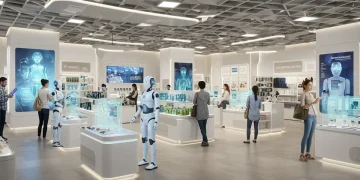
As online shopping continues to evolve, brick-and-mortar stores are redefining their purpose, shifting towards experiential retail and entertainment to attract customers and provide unique value. This strategy is critical for the physical retail segment of the US Retail Market Forecast 2025. Stores are transforming into destinations that offer more than just products; they provide immersive experiences, social interaction, and entertainment.
This includes everything from in-store workshops and events to interactive displays and themed environments. The goal is to create memorable moments that foster brand loyalty and encourage repeat visits, making shopping an engaging activity rather than a mere transaction.
Innovative experiential concepts
- Pop-up shops and collaborations: Temporary retail spaces offering exclusive products or unique brand partnerships.
- Interactive technology: Augmented reality (AR) fitting rooms, virtual reality (VR) product demonstrations, and smart mirrors.
- Community hubs: Stores that double as gathering places, offering cafes, co-working spaces, or event venues.
The success of experiential retail lies in its ability to connect with consumers on an emotional level, providing a compelling reason to visit a physical store. This approach helps retailers differentiate themselves in a crowded market and build stronger, more meaningful relationships with their customer base.
Smart home technology and connected devices
The proliferation of smart home technology and connected devices is rapidly expanding, becoming a cornerstone of the US Retail Market Forecast 2025. As homes become more integrated with technology, consumers are increasingly investing in devices that offer convenience, security, energy efficiency, and entertainment. This sector includes everything from smart thermostats and lighting systems to connected appliances and home security cameras.
The appeal of these products lies in their ability to automate tasks, provide remote control, and create a more comfortable and efficient living environment. The growing ecosystem of interoperable devices further enhances their value, allowing for seamless integration and control through centralized platforms.
Key growth drivers in smart home tech
- Increased affordability: As technology advances, smart home devices are becoming more accessible to a wider range of consumers.
- Ease of use: Simplified installation and intuitive user interfaces are lowering the barrier to adoption.
- Integration and ecosystems: The ability for various devices to communicate and work together seamlessly within a smart home ecosystem.
Retailers specializing in smart home technology are benefiting from this trend, offering not just individual products but complete solutions and installation services. The continuous innovation in AI and IoT (Internet of Things) will further fuel this sector’s growth, making it a significant area for investment.
Pet care and premium pet products
The pet care industry is experiencing robust growth, with a notable shift towards premium products and services, making it a high-potential area within the US Retail Market Forecast 2025. Pet owners are increasingly treating their animals as integral family members, leading to a willingness to spend more on high-quality food, health products, grooming services, and even pet technology.
This trend is driven by factors such as increased disposable income, a rise in pet ownership among younger generations, and a greater understanding of animal health and welfare. The market is seeing a surge in demand for organic, natural, and specialized dietary options for pets, mirroring human health trends.
Segments within premium pet care
- Specialized pet nutrition: Grain-free, raw, organic, and veterinary-prescribed diets.
- Pet wellness and health: Supplements, preventative care products, and pet insurance.
- Pet tech: GPS trackers, automatic feeders, smart toys, and remote monitoring devices.
Retailers in the pet care sector are diversifying their offerings to cater to these evolving demands, creating a lucrative market for innovative and high-quality products. The emotional bond between owners and their pets ensures continued investment in this area, solidifying its position as a growth sector.
| Key Sector | Growth Driver |
|---|---|
| Sustainable Goods | Increasing consumer demand for ethical and eco-friendly products. |
| Health & Wellness | Aging population and heightened health awareness driving demand for preventative care. |
| Experiential Retail | Need for unique in-store experiences to complement online shopping. |
| Smart Home Tech | Increased desire for convenience, security, and energy efficiency in homes. |
Frequently asked questions about the US retail market
The primary drivers include continued digital transformation, evolving consumer preferences for personalized and sustainable products, and a heightened focus on health and wellness. Technological advancements, particularly in AI and IoT, also play a crucial role in shaping market dynamics and opening new avenues for growth.
E-commerce will continue its dominant growth, pushing brick-and-mortar stores to innovate by focusing on experiential retail. Physical locations will transform into discovery hubs, offering immersive experiences, community events, and seamless omnichannel integration rather than just transactional spaces. This hybrid model is key for survival.
Younger demographics, particularly Gen Z and Millennials, are the primary drivers of demand for sustainable and ethically produced goods. Their increasing awareness of environmental and social issues influences their purchasing decisions, compelling brands to adopt more responsible practices across their supply chains and product offerings.
Personalization is critical, with consumers expecting tailored recommendations and customized experiences. Retailers are leveraging data analytics and AI to understand individual preferences, offering bespoke product suggestions, personalized marketing messages, and customized services to enhance customer loyalty and drive sales across various channels.
Yes, the pet care sector presents significant investment opportunities, especially in premium pet products and services. This includes specialized nutrition, health and wellness supplements, and pet technology. The humanization of pets drives owners to spend more on high-quality items, creating a robust and expanding market for innovation.
Conclusion
The US Retail Market Forecast 2025 paints a picture of dynamic growth and significant transformation, with several sectors poised for substantial expansion. From the burgeoning demand for sustainable goods and the unwavering focus on health and wellness to the innovative strides in experiential retail and smart home technology, the opportunities are abundant. Retailers and investors who remain agile, consumer-centric, and willing to embrace technological advancements will be best positioned to capitalize on these trends. The coming years will undoubtedly reward foresight and adaptability in navigating this exciting retail landscape.