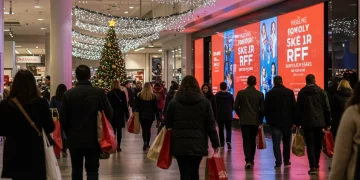
Experiential Retail: Small Business Competition in 2025
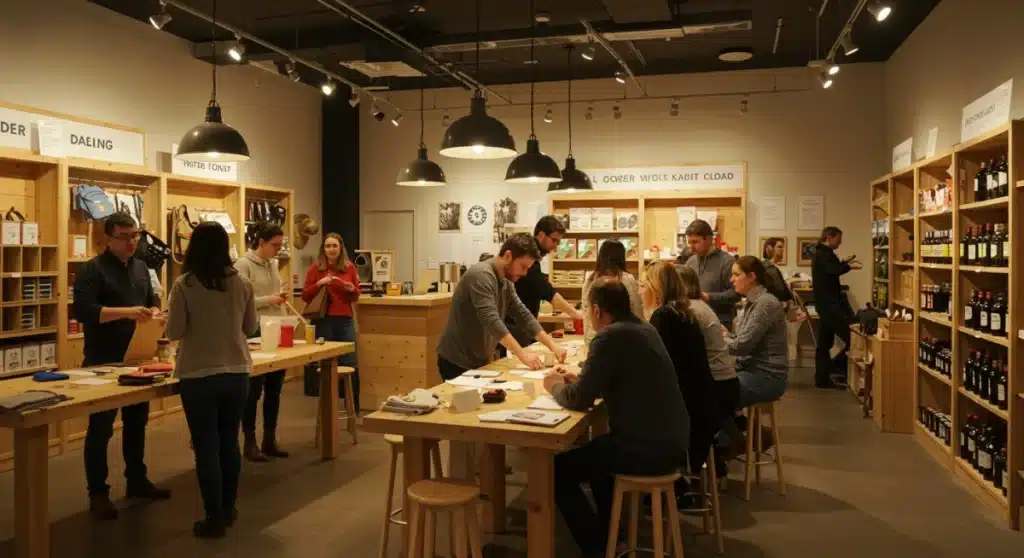
Small businesses must leverage experiential retail by creating immersive and personalized customer journeys to foster loyalty and effectively compete against larger chains in the evolving 2025 market.
The Rise of Experiential Retail: How Small Businesses Can Compete in 2025 is no longer a futuristic concept but a present-day imperative. As consumers increasingly prioritize unique and memorable interactions over mere transactions, small businesses have a powerful opportunity to differentiate themselves and cultivate lasting customer relationships.
Understanding the Experiential Retail Landscape
Experiential retail represents a significant shift from traditional sales models, moving beyond simply offering products to providing immersive and engaging customer experiences. This evolution is driven by changing consumer expectations, particularly among younger demographics who value authenticity and connection.
For small businesses, understanding this landscape means recognizing that every customer touchpoint, from the moment they discover your brand to post-purchase engagement, is an opportunity to create a memorable experience. It’s about crafting an environment where shopping becomes an event, a source of entertainment, or an educational journey.
The Shift in Consumer Behavior
Modern consumers are not just buying products; they are buying into lifestyles, values, and experiences. This psychological shift has profound implications for retailers of all sizes.
- Seeking Connection: Consumers desire genuine human interaction and a sense of community.
- Value Beyond Price: Emotional connection and unique experiences often outweigh price as purchasing drivers.
- Digital Fatigue: A growing desire for tangible, in-person experiences after years of increased online interaction.
- Personalization Demand: Expectation for tailored experiences that cater to individual preferences and needs.
The success of experiential retail hinges on its ability to tap into these underlying consumer motivations, transforming a mundane shopping trip into an exciting adventure. Small businesses, with their inherent agility and capacity for personalized service, are uniquely positioned to excel in this new paradigm.
Crafting Unique In-Store Experiences
The physical store remains a critical asset for small businesses in the experiential retail era. It serves as a stage where your brand’s story unfolds, and customers can interact with products and staff in meaningful ways. The goal is to make every visit an event worth remembering.
Think beyond just displaying merchandise. Consider how you can integrate elements of discovery, education, and entertainment into your store’s layout and operations. This might involve creative merchandising, interactive displays, or dedicated activity zones.
Designing Immersive Retail Environments
An immersive environment stimulates the senses and encourages prolonged engagement. It’s about creating a mood, an atmosphere that reflects your brand’s identity and resonates with your target audience.
- Sensory Engagement: Utilize lighting, scent, sound, and tactile elements to create a distinctive ambiance.
- Storytelling Displays: Arrange products in narratives that explain their origin, purpose, or impact.
- Comfort and Convenience: Provide comfortable seating, charging stations, or complimentary refreshments to encourage longer stays.
The design should not only be aesthetically pleasing but also functional, guiding customers through a curated journey that highlights your unique offerings. A well-designed space naturally invites exploration and interaction, turning casual browsers into engaged participants.
Leveraging Technology for Enhanced Experiences
While experiential retail emphasizes human connection, technology plays a crucial supporting role. Small businesses can harness various tools to personalize experiences, streamline operations, and extend engagement beyond the physical store.
The key is to integrate technology seamlessly, ensuring it enhances rather than detracts from the human element. From augmented reality try-ons to interactive digital displays, the right tech can elevate the customer journey without losing its authentic touch.
Smart Technology Integrations
Consider how simple, accessible technologies can make a big impact. These don’t have to be expensive, cutting-edge solutions; often, practical applications yield the best results.
- Interactive Kiosks: Allow customers to browse extended catalogs, customize products, or sign up for workshops.
- Augmented Reality (AR): Offer virtual try-ons for clothing or visualize furniture in their homes.
- Personalized Recommendations: Use data from past purchases or in-store interactions to suggest relevant products.
- QR Codes: Provide instant access to product information, videos, or customer reviews.
Technology should empower customers, giving them more control and information, while also providing valuable data insights for the business. This symbiotic relationship between tech and human interaction is vital for modern experiential retail.
Building Community and Fostering Engagement
One of the most powerful aspects of experiential retail for small businesses is its ability to build a strong, loyal community. When customers feel a sense of belonging and connection to a brand, they become advocates, driving organic growth and sustained success.
This goes beyond transactional relationships; it’s about creating a hub where like-minded individuals can gather, learn, and share experiences. Small businesses are uniquely positioned to foster this intimacy due to their local presence and often singular vision.
Hosting Workshops and Events
Regular events and workshops are excellent ways to bring people together and provide valuable experiences that extend beyond product sales. These activities position your business as a resource and a community cornerstone.
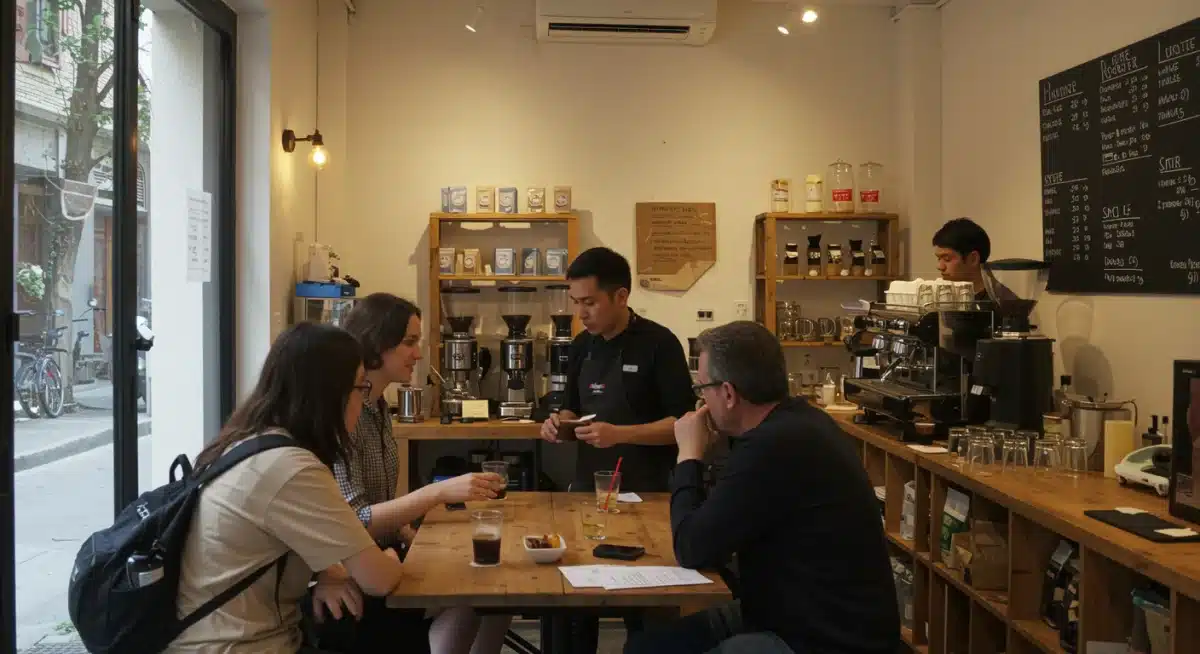
Consider offering classes related to your products, inviting local experts for talks, or hosting social gatherings. For instance, a bookstore might host author readings, a pottery studio might offer beginner’s classes, or a health food store might organize cooking demonstrations.
These events provide tangible value to customers and create memorable interactions that reinforce brand loyalty. They also generate buzz and word-of-mouth marketing, attracting new customers who are seeking similar experiences.
Establishing a sense of community through shared experiences transforms your store from a mere point of sale into a vibrant social space. This deepens customer relationships, making them less likely to seek alternatives solely based on price.
Personalization and Customer Service Excellence
In an era of mass production and automated interactions, personalized service stands out as a hallmark of exceptional experiential retail. Small businesses have a distinct advantage here, capable of offering a level of individualized attention that larger corporations often struggle to replicate.
True personalization goes beyond addressing customers by name; it involves understanding their preferences, anticipating their needs, and tailoring recommendations and interactions accordingly. This builds trust and makes customers feel valued and understood.
Implementing Personalized Strategies
From the moment a customer walks in, every interaction is an opportunity for personalization. Train your staff to be attentive, empathetic, and knowledgeable, transforming every sale into a consultative experience.
- Know Your Customers: Utilize CRM tools or simple notes to remember preferences, past purchases, and special occasions.
- Tailored Recommendations: Offer product suggestions based on their expressed interests or observed needs.
- Personalized Follow-ups: Send thank-you notes, personalized emails, or follow-up calls after significant purchases.
- Customization Options: Provide opportunities for customers to personalize products, from engraving to bespoke designs.
Exceptional customer service is not just about resolving issues; it’s about creating delightful moments that exceed expectations. When customers feel genuinely cared for, they are more likely to return, recommend your business, and become loyal patrons.
Measuring Success and Adapting Strategies
Embracing experiential retail requires continuous evaluation and adaptation. Small businesses must establish clear metrics to measure the effectiveness of their experiential initiatives and be willing to refine their strategies based on customer feedback and market trends.
Success in experiential retail isn’t solely about immediate sales; it’s also about long-term customer lifetime value, brand perception, and community engagement. Therefore, your measurement approach should reflect these broader goals.
Key Performance Indicators for Experiential Retail
Beyond traditional sales data, consider these metrics to gauge the impact of your experiential efforts:
- Customer Engagement Rates: Track participation in events, time spent in-store, and social media interactions.
- Customer Satisfaction (CSAT) and Net Promoter Score (NPS): Directly survey customers about their experience and likelihood to recommend.
- Repeat Purchase Rate: A strong indicator of customer loyalty and satisfaction with the overall experience.
- Dwell Time: How long customers stay in your store – longer times often correlate with higher engagement.
- Word-of-Mouth Referrals: Monitor new customer acquisition through recommendations.
Regularly solicit feedback through surveys, direct conversations, and online reviews. Use this qualitative and quantitative data to understand what resonates with your audience and where improvements can be made. The retail landscape is constantly evolving, and a flexible, data-driven approach is essential for sustained competitive advantage.
| Key Point | Brief Description |
|---|---|
| Experiential Shift | Consumers prioritize unique experiences over mere transactions, driving retail evolution. |
| In-Store Immersion | Design physical spaces for discovery, education, and entertainment to engage customers. |
| Community Building | Host events and workshops to foster loyalty and a sense of belonging among patrons. |
| Personalized Service | Tailor interactions and recommendations to make customers feel valued and understood. |
Frequently Asked Questions About Experiential Retail
Experiential retail involves creating immersive, engaging, and memorable experiences for customers beyond just selling products. It focuses on sensory engagement, interactive displays, and community-building events to foster deeper connections and drive loyalty, transforming shopping into an event.
It allows small businesses to differentiate themselves from larger competitors by offering unique, personalized interactions that big chains often struggle to replicate. It builds stronger customer relationships, fosters community, and justifies higher price points through added value and memorable moments.
Start with simple, cost-effective strategies like hosting small workshops, engaging customers in conversations, creating visually appealing displays, or offering complimentary samples. Leverage local partnerships for events and focus on personalized service, which costs little but yields immense value.
Technology enhances experiences by providing interactive elements like QR codes for product info, virtual try-ons, or personalized digital recommendations. It should complement, not replace, human interaction, streamlining operations and offering customers greater control and information, enriching their journey.
Success is measured beyond sales, including metrics like customer engagement rates, dwell time in-store, repeat purchase rates, customer satisfaction scores (CSAT/NPS), and word-of-mouth referrals. Analyzing both quantitative data and qualitative feedback helps refine strategies for continuous improvement.
Conclusion
The landscape of retail is undeniably shifting, with the emphasis moving from mere transactions to meaningful interactions. For small businesses, embracing experiential retail strategies is not just a trend but a vital approach to securing a competitive edge in 2025 and beyond. By focusing on crafting unique in-store experiences, thoughtfully integrating technology, building strong community ties, and delivering unparalleled personalized service, small businesses can cultivate deep customer loyalty and create a resilient, thriving presence in the evolving market. The future of retail belongs to those who can master the art of experience.